Journal of Korean Society of Dental Hygiene Open access, Peer Reviewed
pISSN 2287-1705, eISSN 2288-2294
Weeks in Review
Weeks to Publication
Journal of Korean Society of Dental Hygiene Open access, Peer Reviewed
pISSN 2287-1705, eISSN 2288-2294
Dong Hee Kim , Gyeong-Soon Han
Department of Dental Hygiene, College of Medical Science, Gachon University
Correspondence to Gyeong-Soon Han, Department of Dental Hygiene, College of Medical Science, Gachon University, 191 Hambakmoero, Yeonsu-gu, Incheon 21936, Korea. Tel: +82-32-820-4372, Fax: +82-32-820-4370, E-mail: gshan@gachon.ac.kr
Volume 26, Number 4, Pages 427–36, August 2026.
J Korean Soc Dent Hyg 2026;26(4):427–36. https://doi.org/10.13065/jksdh.2026.26.4.2
Received on June 19, 2026, Revised on July 29, 2026, Accepted on August 10, 2026, Published on August 30, 2026.
Copyright © 2026 Journal of Korean Society of Dental Hygiene.
This is an Open Access article distributed under the terms of the Creative Commons Attribution Non-Commercial License(http://creativecommons.org/licenses/by-nc/4.0).

Attitude, Dental hygienist, Infection control, Knowledge, Practice, Systematic review
최근 의료관련감염에 대한 사회적 관심과 환자 안전에 대한 요구가 지속적으로 증가하면서 의료기관의 감염관리 체계 강화에 대한 필요성이 더욱 부각되고 있다. 특히 2019년 발생한 COVID-19 팬데믹은 의료 환경 내 감염 전파의 위험성을 가시화하며 감염관리의 중요성을 사회적으로 재조명하는 계기가 되었다. 이에 따라 주요 보건당국은 의료기관 내 표준주의(Standard Precautions)의 철저한 이행과 감염관리 역량 강화를 강력히 권고하고 있다[1,2].
치과 진료 환경은 비말 및 에어로졸 노출, 오염된 기구 표면과의 접촉, 날카로운 기구의 취급 등 다양한 경로를 통해 감염 위험에 상시 노출되고 있으므로 엄격한 감염관리 활동이 요구된다[3,4]. 특히 치과 진료실은 고속 핸드피스 및 초음파 스케일러 사용 시 발생하는 미세 비말과 에어로졸로 인해 공기 매개 감염의 위험이 매우 높은 구조적 특성을 지니며, 이는 치과 종사자의 감염병 유병률과 밀접한 연관이 있는 것으로 보고되었다[3,4]. 이러한 구조적 위험을 관리하기 위해 미국 질병통제예방센터(CDC)는 모든 환자를 잠재적 감염원으로 간주하는 표준주의를 핵심 지침으로 제시하고 있다[5].
임상 현장에서도 국제적 기준에 부합하기 위한 노력이 요구되며, 치과위생사의 역할이 무엇보다 중요하다. 치과위생사가 기구의 멸균과 소독 등 감염관리 전반을 주도하며 교차감염을 차단하는 중심적 역할을 수행하기 때문이다[3–5]. 따라서 치과위생사는 감염관리의 핵심 실무자로서 치과 의료 감염 예방을 위해 표준주의를 엄격히 준수해야 한다. 하지만 실제 국내 치과의료기관의 감염관리 실천 수준은 세부 영역별로 뚜렷한 편차를 보이고 있다.
국내 치과의료기관의 경우 의료기관 인증제 도입 등에 힘입어 물리적 공간이나 장비 등의 외형적 인프라는 상당 수준 구축되었으나[6], 멸균 유효성을 검증하기 위한 화학적 지시제(chemical indicator) 및 생물학적 지시제(biological indicator)를 활용한 모니터링 수행은 여전히 미흡한 단계에 머물러 있다[6,7]. 이러한 실천의 불균형은 개인보호구(personal protective equipment, PPE) 착용 분야에서도 두드러지고 있는데, 특히 보안경이나 안면보호구 등의 착용률이 현저히 낮다는 점은 우려되는 부분이다[2,8]. 아울러 손 위생과 같은 가장 기본적인 수칙조차 시간적 제약, 경제적 부담, 열악한 업무 환경 등으로 인해 기관별 실천율의 편차가 크게 나타나고 있어 개선이 시급한 실정이다[9–12].
감염관리는 단순한 지침 숙지나 기술적 습득을 넘어 지식(knowledge)과 태도(attitude)가 유기적으로 상호작용하여 실천(practice)으로 전이되는 과정이다. 인간의 행위를 예측하고 변화시키기 위한 기본적인 접근법인 지식·태도·실천(KAP) 모형은 감염관리와 같이 일상적이고 반복적인 수행이 요구되는 의료관련감염 관리 활동을 분석하고 설명하는 데 매우 유용한 틀을 제공한다[13–15]. 결과적으로 치과위생사의 감염관리 수준을 KAP 모형으로 분석하는 것은 실효성 있는 전략 설계를 위한 필수적인 단계라 할 수 있다.
국내 치과위생사를 대상으로 한 선행연구들은 감염관리의 지식과 태도, 수행 수준을 지속적으로 보고해 왔다[16,17]. 그러나 개별 연구마다 측정도구의 이질성, 특정 지역에 국한된 표본 추출로 인한 지역 편중, 연구 대상자의 임상 경력 및 근무 환경에 따른 차이, 그리고 KAP 세부 영역 분류의 불일치 등으로 인해 전반적인 현황을 일관성 있게 파악하여 실질적인 정책이나 교육 개선으로 연계하는 데 한계가 있었다[8,18–20]. 특히 감염에 대한 우려 수준, 개인보호구 공급의 안정성, 조직적 지원체계 등 다양한 맥락적 변수들이 감염관리 실천에 미치는 구체적인 영향과 원인을 분석할 근거는 여전히 부족한 실정이다[7,8,10].
이러한 선행연구들의 한계를 극복하기 위해 본 연구는 KAP 모형을 기반으로 한 통합적인 접근을 시도하였다. 이때, ‘지식(knowledge)’과 ‘인식(awareness)’은 세계보건기구(WHO) 및 주요 KAP 방법론 지침[13,14]에서 정의하듯 실천(practice)을 유도하기 위한 선행 조건인 ‘인지적 영역(cognitive domain)’을 구성한다는 이론적 공통점을 지닌다. 또한, 기존 국내 문헌에서 두 개념의 측정도구가 빈번하게 혼용되는 방법론적 한계가 관찰되었다. 따라서 본 연구에서는 분석의 파편화를 방지하고 타당성을 높이기 위해 두 개념을 ‘지식·인식’의 단일 영역으로 통합하여 분석하고자 하였다.
이에 본 연구는 한국 치과위생사의 감염관리 관련 지식과 태도, 실천 수준을 체계적 문헌고찰(systematic review)을 통해 종합적으로 평가하고자 한다. 특히 산재된 데이터들을 표준화된 수치로 통합 분석함으로써 감염관리 영역별 구체적인 수행 특성과 취약 지점을 도출하고자 한다. 이를 통해 치과 진료 환경의 감염관리 실천력을 높이기 위한 교육적, 정책적 개입 방향을 제시하는 근거를 마련하고 임상 현장에서 감염관리 실천율의 상향 평준화를 도모할 수 있는 객관적인 기초 자료로 활용하고자 한다.
본 연구는 치과위생사의 감염관리 지식, 태도 및 실천(KAP)에 관한 문헌을 체계적으로 고찰하기 위해 PRISMA (Preferred Reporting Items for Systematic reviews and Meta-Analyses) 가이드라인[21]을 준수하였다. 본 연구의 사전 프로토콜은 국제 레지스트리인 PROSPERO에 등록을 시도하였으나, 국내 문헌에 국한된 주제라는 특성상 심사 과정에서 반려되어 부득이하게 미등록 상태로 연구를 수행하였다. 연구의 방법론적 엄밀성을 확보하고자 Cochrane Collaboration의 체계적 문헌고찰 매뉴얼[22]과 관찰 연구 보고 기준인 MOOSE (Meta-analysis of Observational Studies in Epidemiology) 지침[23]을 준용하였으며, 항목별 준수 현황은 <Supplementary Table S1>에 상세히 명시하였다.
국내외 전자 데이터베이스 검색을 위한 문헌 선정의 기준은 PICO (Participants, Intervention, Comparisons, Outcome)를 기반으로 하였다. 이에 본 연구에서는 1) 한국 치과의료기관에 근무하는 임상치과위생사(Participants), 2) 감염관리에 대한 치과위생사의 지식·인식, 태도 및 실천(Outcome)을 선정 기준으로 하였고 개입(Intervention)과 비교(Comparisons)에는 제한을 두지 않았다. 배제 기준은 1) 전문을 구할 수 없는 문헌, 2) 결과변수에 지식·인식, 태도 및 실천을 포함하지 않은 문헌, 3) 증례보고, 학회 발표 기사, 편집자 서신 등으로 구성된 문헌이었다.
문헌 검색은 최초 시행일 제한 없이 검색하여 2026년 5월 1일까지 최종 업데이트를 실시하였다. 국내 문헌은 국립중앙도서관(National Library of Korea, NLK), 국회도서관(Nanet), 누리미디어(DBpia), 대한의학학술지편집인협의회(KoreaMed), 한국과학기술정보연구원(ScienceOn), 한국교육학술정보원(Research Information Sharing Service, RISS), 한국학술정보(Korean Studies Information Service System, KISS)의 전자 데이터베이스를 이용하여 학술지와 학위논문을 검색하였다. 국외 문헌은 의학 분야 전자 데이터베이스(OVID Medline & PubMed), 유럽 의학 분야 전자 데이터베이스(Excerpta Medica dataBASE, EMBASE)를 이용하였다. 이때 검색 효율성을 극대화하고 출판 편향(publication bias)을 최소화하기 위해 박사 및 석사 학위논문을 모두 포함하여 포괄적인 탐색을 도모하였다.
문헌 검색은 한국어와 영어로 출판된 문헌으로 제한하였고, 제목(title)과 초록(abstract)에 포함된 텍스트 단어(text word)를 중심으로 수행하였다. 또한 Boolean 연산자(AND/OR) 및 절단(truncation) 검색을 적절히 적용하여 관련 문헌을 최대한 포괄적으로 탐색하였다. 한국어 검색어는 ‘치과위생사’ AND ‘감염’ AND (‘행동’ OR ‘실천’ OR ‘수행’) AND ‘태도’ AND (‘지식’ OR ‘인식’ OR ‘인지’) AND ‘치과’로 검색하였다. 영어는 (((infection) AND (dent*)) AND (Korea)) AND ((behavior) OR (attitude) OR (knowledge) OR (awareness) OR (practice))를 사용하였다<Supplementary Table S2>. 포괄적인 문헌 수집을 위해 검색 대상에 학위논문을 포함하였으나, 학위논문과 학술지 게재 논문이 동일한 데이터로 중복 출판된 경우에는 동료평가(peer-review)를 거친 학술지 논문만을 최종 선정하고 학위논문은 배제하는 것을 원칙으로 하였다.
검색 결과 국내외 데이터베이스를 통해 학술지 1,875편과 학위논문 919편을 포함하여 총 2,794편의 문헌이 검색되었다. 이후 서지 관리 프로그램(EndNote X9)을 이용하여 중복 문헌 2,008편을 제외하고 남은 786편을 1차 스크리닝 대상으로 선정하였다. 제목 및 초록 검토 단계에서 선정 기준에 부합하지 않는 705편을 제외하였으며, 최종 81편의 원문에 대하여 자격 요건을 심층 평가하였다. 이 중 관련성 없음(41편), 인구통계학적 요건 미충족(1편), 정보 부족(3편) 등의 사유로 45편을 추가 배제하였다. 1차 검색에서 확인된 학위논문 중 일부는 학술지 게재 논문 형태로 본 연구에 최종 포함되었다. 또한 이를 제외한 나머지 학위논문들은 심층 평가 과정에서 본 연구의 세부 선정 요건이나 질적 기준을 충족하지 못해 배제되었다. 최종적으로 선정 기준을 모두 충족한 학술지 총 36편을 최종 분석 대상으로 선정하여 체계적 문헌고찰을 시행하였다 <Fig. 1>. 이러한 문헌 선별 및 자료 추출 및 질평가의 모든 과정은 두 명의 연구자가 각각 독립적으로 수행하였으며, 연구자 간 의견이 불일치한 경우에는 문헌 원문을 재검토하고 심도 있는 논의와 합의를 거쳐 최종 결정을 내렸다.
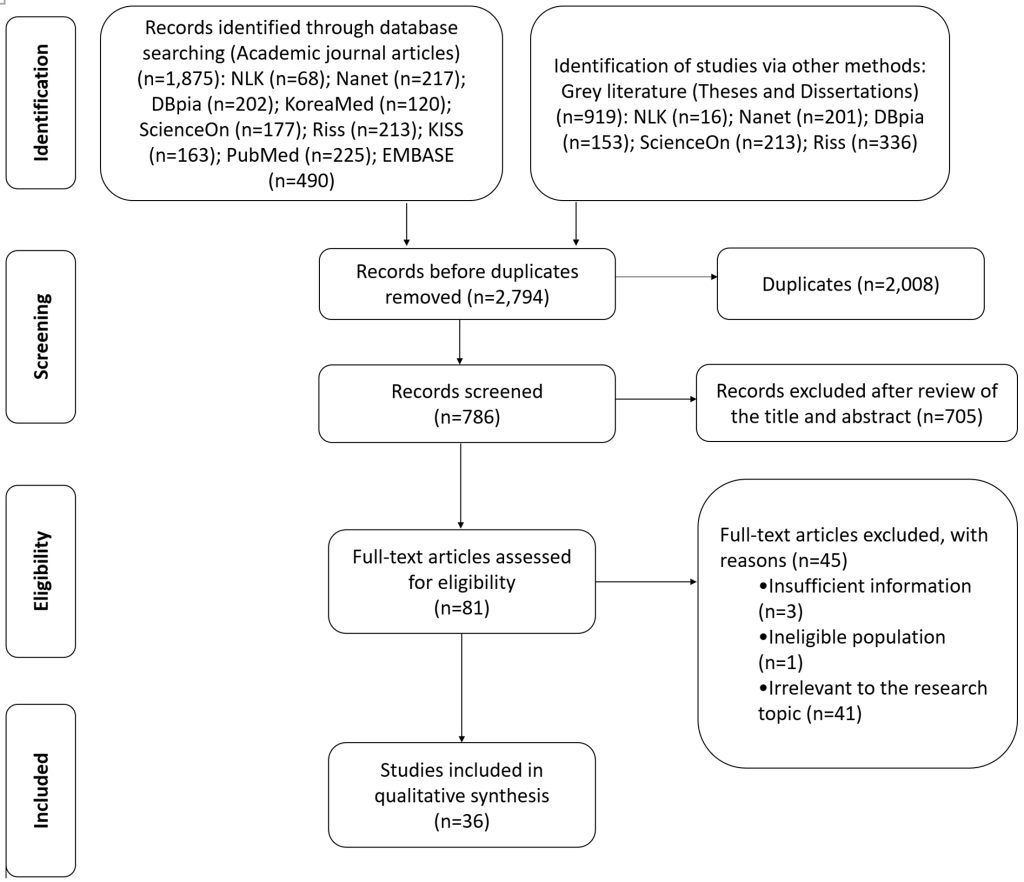
Fig. 1. Flowchart of the study selection process
개별 문헌의 질 평가는 Critical Review Form [24]을 사용하여 수행하였다. 해당 도구는 양적 연구와 질적 연구를 포괄하는 관찰연구의 수준을 다각도로 평가할 수 있도록 고안되었다. 평가 대상 문헌들의 주된 연구 설계인 횡단면 조사의 특성을 고려할 때, 표집 편향, 측정의 타당성, 교란변수 통제 여부를 세밀하게 검증할 수 있는 해당 도구가 적합하다고 판단하였다. 이 평가 도구는 연구 목적(1항목), 문헌 고찰(1항목), 연구 설계(1항목), 표집(2항목), 결과 측정(2항목), 중재(3항목), 결과(4항목), 결론 및 시사점(1항목) 등 총 15개의 항목으로 구성되어 있다. 평가의 객관성을 확보하기 위해 두 명의 연구자가 각각 독립적으로 질 평가를 실시하였고, 평가 결과는 <Supplementary Table S3>에 제시하였다.
선정된 문헌으로부터 저자, 출판 연도, 연구 대상, 표본 크기, 감염관리 KAP 점수 및 통계치를 추출하였다. 분석의 일관성을 확보하기 위해 선행연구의 도구적 특성을 고려하여 지식(knowledge)과 인식(awareness)을 ‘지식·인식’ 영역으로 통합하여 유목화하였다. 본 연구에 포함된 문헌들이 서로 다른 측정 지표를 사용하였음을 고려하여 결과의 객관적인 비교를 위해 모든 수치를 5점 리커트(Likert) 척도 기준으로 환산하여 평균과 표준편차(Mean±SD)로 분석하였다. 점수 변환을 위해 [환산 점수 = (원점수 / 해당 척도 최고점) × 5]의 선형 변환(linear transformation) 공식을 일괄 적용하였으며, 표준편차(SD) 역시 동일한 변환 비율을 적용하여 산출하였다. 다만, 이처럼 각기 다른 설문 도구의 척도를 단순 비율로 환산하여 직접 비교하는 것은 연구 간의 측정학적 이질성이나 원자료의 데이터 분포 특성을 완벽히 반영하지 못한다는 통계적 한계를 내포한다. 또한 본 연구의 실천 영역 유목화는 미국 질병통제예방센터(CDC)의 치과 감염관리 가이드라인[5]에서 제시하는 행정적 통제(administrative controls) 및 표준주의 체계를 기반으로 분류하여 분석의 타당성을 확보하였다.
치과위생사의 감염관리에 관한 지식·인식, 태도 및 실천 수준을 분석한 결과는 <Table 1> 및 <Supplementary Table S4>와 같다. 분석의 모든 수치는 표준화된 5점 리커트 척도로 환산하였으며, 본문에서는 결과의 전반적인 경향성과 추이를 명확히 전달하고자 각 영역별 평균 점수의 범위를 중심으로 기술하였다. 서술의 객관성을 위해 5점 만점을 기준으로 평균 4.0점 이상은 ‘높음(High)’, 3.0점 초과 4.0점 미만은 ‘보통(Moderate)’, 3.0점 이하는 ‘낮음(Low)’으로 분류하였다. 단, 개별 연구들의 점수 편차가 커서 두 구간에 걸쳐 분포하는 경우 최솟값과 최댓값이 속한 구간을 병기하여 ‘보통에서 높음(Moderate to high)’으로 기술하였으며, 전 구간(Low~High)에 걸쳐 넓게 분포하는 경우 ‘광범위한 편차(Widely variable)’로 명명하여 연구 간의 이질성을 나타냈다.
지식·인식의 평균 점수는 2.64–4.59점[16,25]의 범위로 나타났다. Jeong et al. [16]의 연구에서 지식 점수는 4.59점으로 측정되어 높은 수준임을 확인하였다. 인식 점수의 경우 초기 연구[25]에서 2.64점으로 가장 낮았으나, 최근 연구들에서는 4.54점[17]을 기록하며 뚜렷한 상승 추세를 보였다.
태도 점수는 3.47–3.99점[16,26]의 분포를 보여 타 영역에 비해 연구 간 편차가 가장 좁게 나타났으며, 지식·인식 수준에 비해 상대적으로 낮은 수치를 기록하였다.
실천 점수는 2.58–4.27점[7,25]으로 연구 간 편차가 매우 크게 나타났다. 2015년 연구에서는 3점 미만의 실천도가 보고되었으나, 2017년 이후 문헌들에서는 실천도가 뚜렷한 상승 경향을 보이며 대부분 3.5점 이상의 수준을 나타냈다.
Table 1. Summary of knowledge, awareness, attitude, and practice regarding infection control
| Category | Score range (Mean±SD)* | Summary of overall level | Statistical characteristics |
|---|---|---|---|
| Knowledge & awareness | 2.64±0.77-4.59±0.70 | Widely variable | Increasing trend over time: A clear upward trend in scores is observed in recent studies compared to earlier ones. |
| Attitude | 3.47±0.50-3.99±0.50 | Moderate | Narrow distribution: Shows minimal variance compared to other domains, with scores consistently remaining below the 4.0-point threshold. |
| Practice | 2.58±1.50±4.27±0.91 | Widely variable | Upward stabilization with variance: Most studies maintain levels above 3.5 points, although relatively lower scores are reported in certain literature. |
*Values represent the range of mean scores standardized to a 5-point Likert scale.
SD: standard deviation.
치과위생사의 감염관리 실천도를 세부 영역별로 분석한 결과는 <Table 2> 및 <Supplementary Table S5>와 같다. 세부 실천 범주에 따라 실천 수준은 뚜렷한 수치적 차이를 나타냈으며, 영역별로 이행 수준의 격차가 큰 것으로 확인되었다.
환경 감염관리 영역에서 의료 폐기물 관리는 3.83–4.75점[17,27]으로 전체 영역 중 가장 높은 실천 수준을 보였다. 소독 및 멸균 역시 3.74–4.17점[16,28]으로 높은 점수를 기록하였다. 한편 치과 장비 관리는 3.53–3.88점[26,29]으로 환경 감염관리 영역 가운데 상대적으로 낮은 점수 분포를 기록하였다.
임상 감염 예방 영역에서 손 위생(3.28–4.58점[16,27])과 개인 보호(3.33–4.31점[17,27])는 전반적으로 양호한 실천 수준을 보였으며, 최근 발표된 연구일수록 실천 점수가 상향되는 경향이 나타났다. 반면 무균 술식(3.51–3.82점[17,30])은 타 항목에 비해 상대적으로 낮은 점수 분포를 기록하였다.
전체 분석 항목 중 실천도가 가장 낮은 분야는 직원 안전 관리 영역의 정기 검진 및 예방접종(2.85–3.00점[28])으로 확인되었다.
Table 2. Profile of infection control practice by domain among dental hygienists
| Category (domain) | Included sub-domains | Score range (1-5)* | Overall level |
|---|---|---|---|
| Environmental infection control | Disinfection & sterilization | 3.74-4.17 | Moderate to high |
| Dental equipment management | 3.53-3.88 | Moderate | |
| Medical waste management | 3.83-4.75 | Moderate to high | |
| Clinical infection prevention | Hand hygiene | 3.28-4.58 | Moderate to high |
| Personal protection (PPE) | 3.33-4.31 | Moderate to high | |
| Aseptic technique | 3.51-3.82 | Moderate | |
| Employee safety management | Check-up & vaccination | 2.85-3.00 | Low |
*Values represent the range of standardized mean scores (5-point Likert scale).
감염관리를 위한 치과위생사의 개인보호구 착용률을 보고한 7편의 연구 결과는 <Table 3> 및 <Supplementary Table S6>와 같다. 분석 결과, 장갑과 마스크의 착용률은 비교적 높게 나타났으나 보안경, 안면 보호구, 에이프런의 실천율은 상대적으로 낮은 분포를 보였다.
세부적으로 살펴보면, 장갑 착용률은 54.1–100.0%의 범위를 보였으며, Nam and Park [18]을 비롯한 대다수 연구에서 80% 이상의 높은 이행 수준을 기록하였다. 마스크 착용률은 42.0–100.0%[18,20]의 범위에 분포하여 연구 간 편차가 크게 나타났다. 보안경(12.0–85.2%[16,18])의 경우 85.2%[18]를 보고한 특정 연구를 제외하면 대다수 문헌에서 40% 미만의 실천율을 보였다. 안면 보호구는 보고된 문헌이 2편이었으며, 50.8–66.2%[18,31]의 이행률을 나타냈다. 특히 에이프런은 1.1–45.1%[10,20] 범위로 보고되어, 전체 보호 장구 중 이행 수준이 가장 낮은 것으로 확인되었다.
Table 3. Application rates of personal protective equipment (PPE)
| PPE category | No. of studies | Range of application rate (%) | Characteristics and clinical implications |
|---|---|---|---|
| Gloves | 6 | 54.1-100.0 | High reporting frequency, but shows significant variability between studies (54.1〝100.0%). |
| Masks | 7 | 42.0-100.0 | Shows the widest range of application rates (42.0〝100.0%) across all included studies. |
| Protective glasses | 4 | 12.0-85.2 | Characterized by a predominantly low reporting rate (below 40%) in most studies, with one notable outlier at 85.2%. |
| Face shields | 2 | 50.8-66.2 | Data is limited to only 2 studies, maintaining a relatively narrow and moderate reporting range compared to other PPE. |
| Aprons | 3 | 1.1-45.1 | Consistently recorded as the lowest application rate among all categories across the reported studies. |
Values represent the minimum and maximum percentages of application rates reported in the included studies (N = 7).
PPE: personal protective equipment.
본 체계적 문헌고찰은 지난 20여 년간 발표된 국내 치과위생사의 감염관리 지식·인식, 태도 및 실천(KAP) 수준을 종합적으로 분석하여 임상 실태를 파악하고, 개선을 위한 객관적 근거를 마련하고자 수행되었다.
문헌고찰 결과 치과위생사의 지식·인식 수준은 상향 평준화된 양상을 보인 것과 달리 실천 점수는 이에 미치지 못하여 지식과 실천의 불균형 현상이 뚜렷하게 확인되었다. KAP 모형에 따르면 지식은 긍정적인 태도 형성을 거쳐 실천으로 전환되어야 하나, 본 연구에서는 인지적 수준이 실제 행동으로 온전히 이어지지 못하는 지식-실천 간극(Knowledge-Practice Gap)이 존재함을 보여준다. 이는 전 세계적인 경향과 유사하며[32] 실천이 단지 종사자 개인의 인지적·심리적 요인에 의해서만 결정되는 것이 아님을 시사한다. 즉, 임상 현장의 과도한 업무량으로 인한 진료 준비 시간의 부족, 감염관리 물품 구비에 따른 경영진의 비용 부담, 의료기관 차원의 체계적인 행정 지원 부족 등 조직적이고 환경적인 요인이 실천을 저해하는 주요 교란 요인으로 작용하고 있음을 의미한다. 지식·인식 점수의 경우 점수 범위 중 가장 높은 4.59점[16]을 기록하기도 하였으나, 초기 연구들에서의 실천 점수는 3점 미만의 저조한 수준에 머물렀다.
이후 2017년을 기점으로 실천도가 상승 경향을 보이며 3.5점 이상의 수준을 유지하기 시작한 점은 주목할 만하다[30]. 이는 당시 본격화된 치과 의료기관 인증제도와 표준 가이드라인의 보급이 실질적인 행동 변화를 유도하는 구조적 기제로 작용했을 가능성을 시사한다[33]. 다만, 본 고찰에 포함된 문헌 대다수가 횡단면 연구임을 고려할 때, 이러한 정책적 변화가 실천도 향상에 미친 인과적 효과(causal effect)를 직접 검증한 것은 아니므로 해석상 주의가 필요하다. 한편 태도 점수가 지식·인식에 비해 낮은 분포(3.47–3.99점)를 보이는 것은 감염관리를 전문적 가치관의 내재화보다는 업무적 부담으로 인식하는 경향이 여전히 존재함을 시사하며, 향후 교육이 동기 부여 중심의 인식 변화에 집중되어야 함을 뒷받침한다.
감염관리 영역별 실천도의 상대적 수준 차이는 법적 강제성과 자가 보호의 사각지대라는 두 가지 핵심 시사점을 제공한다. 의료 폐기물 관리가 전 영역 중 가장 높은 실천 수준(3.83–4.75점[17,27])을 기록한 것은 관련 법규와 행정 처분이 실천을 강력히 견인하는 핵심 동력임을 의미한다. 이와 대조적으로 정기 검진 및 예방접종이 최저점(2.85–3.00점[28])에 머무르는 저조한 결과를 보였다. 이는 현행 감염관리가 기구 및 환경 중심의 환자 안전에 편중됨에 따라 의료인 자신을 감염 위험으로부터 보호하는 자가 보호 실천에는 소홀함을 단적으로 보여준다. 또한 무균 술식과 장비 관리 실천의 저조함은 선행연구[9–12]에서 보고되었듯 진료 준비 시간의 부족이나 경영진의 지원 미비와 같은 조직적 요인이 실천의 실질적 장벽으로 작용하고 있음을 방증한다.
구체적 실천 지표인 개인보호구(PPE) 착용 현황에서는 표준주의의 선택적 이행 양상이 가시화되었다. 장갑과 마스크의 착용률은 대다수 문헌에서 80% 이상의 높은 이행 수준을 보였다. 반면 보안경(12.0–85.2%[16,18])과 에이프런(1.1–45.1%[10,20])의 경우 관련 항목을 보고한 연구 편수 자체가 절대적으로 적을 뿐만 아니라, 실천율 역시 타 항목 대비 현격히 낮은 수치를 기록하였다. 특히 에이프런 착용률이 최저 1.1%[20]까지 보고된 점은 비말 및 체액 노출 방어에 대한 인식이 현저히 취약함을 시사한다. 이러한 선택적 이행은 임상 현장에서 착용 편의성이 높은 도구만을 우선순위에 두는 경향에서 기인하는 것으로 사료된다. 선행연구[3,8,32]에서 공통적으로 확인되듯, 치과 종사자의 높은 감염 노출 위험을 고려할 때 보안경과 에이프런 착용의 습관화를 위한 제도적 의무화와 더불어 편의성을 개선한 보조 장구의 보급이 시급하다.
종합적으로 볼 때 국내 치과위생사의 감염관리 수준을 상향 평준화하기 위해서는 치과 종사자 개인의 노력에만 의존하는 현행 구조의 한계를 극복해야 한다[11]. 최근 도입된 치과 감염예방·관리료 수가 제도는 감염관리 비품 구비를 원활하게 하고 치과 종사자의 책임 의식을 고취함으로써 실천도 향상에 긍정적인 정책적 기반을 제공하고 있는 것으로 사료된다[34]. 이 역시 제도적 변화와 실천율 상승 간의 시기적 연관성을 보여줄 뿐 직접적인 인과관계를 입증하는 것은 아니다. 하지만 강력한 법적 규제와 더불어 실효성 있는 경제적 보상 및 정책적 지원이 병행될 때 비로소 지속 가능한 감염관리 체계가 구축될 수 있음을 시사한다. 따라서 의료기관 차원의 충분한 시간 확보, 전담 인력 배치 등 행정적·재정적 지원이 반드시 뒷받침되어야 할 것이다[7,10].
본 연구는 지난 20여 년간 발표된 국내 36편의 문헌을 표준화된 수치로 통합하여 국내 치과위생사의 감염관리 취약 지점을 정량적으로 도출하고 구체적인 개선 방향을 제시하였다는 점에서 중요한 학술적 의의를 지닌다. 그럼에도 불구하고 본 연구는 다음과 같은 한계점을 지닌다. 첫째, 분석에 포함된 대다수의 문헌이 자기보고식 설문에 의존하고 있어, 응답자가 긍정적인 방향으로 답하려는 사회적 바람직성 편향에 의해 실제보다 과대평가되었을 가능성이 있다. 둘째, 연구별 측정 도구의 이질성이 존재하며, 특정 지역에 국한된 표본 추출이 다수 포함되어 있어 일반화하는 데 지역 편중의 한계가 있다. 셋째, 원자료의 부재에 의한 5점 척도 환산 공식에 의존하여 데이터를 통합하였으므로 메타분석 수준의 엄격한 정량적 합성을 이루지 못했다. 넷째, 앞서 언급한 바와 같이 국제 레지스트리에 사전 프로토콜이 등록되지 못하였다는 방법론적 한계를 지닌다. 이는 사전에 계획된 연구 방법과 실제 수행된 고찰 과정 간의 편차를 객관적으로 검증하는 데 일정 부분 제약이 될 수 있다. 따라서 향후 연구에서는 표준화된 평가 도구를 활용하여 교육적·정책적 개입의 효과를 정밀하게 측정하고, 새롭게 도입된 제도적 장치들이 실제 감염률 감소나 실천도 변화에 미치는 영향을 검증하는 후속 연구가 지속적으로 수행될 필요가 있다.
이러한 고찰 결과를 바탕으로 국내 치과 감염관리 수준의 실질적인 상향 평준화를 위해 다음과 같이 제언한다. 단, 본 연구가 특정 교육 프로그램이나 재정 지원 제도의 효과를 직접 검증한 것은 아니므로 아래의 제언은 본 문헌고찰에서 확인된 실천 장벽 및 취약점을 개선하기 위한 논리적 방향성으로서 신중하게 고려되어야 할 것이다. 첫째, 단순한 지식 전달 위주의 교육에서 벗어나 전문적 가치관을 내재화하고 실천 동기를 부여할 수 있는 인식 변화 중심의 교육 커리큘럼 개발이 선행되어야 한다. 둘째, 치과 종사자 개인의 노력에만 의존하는 현행 구조의 한계를 극복하기 위해서는 치과 감염예방·관리료 수가와 같은 정책적 보상과 재정적 지원을 확대함으로써 지속 가능한 관리 체계를 구축해야 한다. 셋째, 무균 술식과 장비 관리를 위한 충분한 진료 시간 확보 및 전담 인력 배치 등 의료기관 차원의 행정적 지원이 뒷받침되어야 한다.
본 연구는 지난 20여 년간 발표된 한국 치과위생사의 감염관리 지식, 인식, 태도 및 실천(KAP) 수준을 파악하기 위해 체계적 문헌고찰을 수행하였다. 최종 선정된 36편의 문헌을 종합적으로 분석한 결과는 다음과 같다.
1. 치과위생사의 감염관리 지식·인식 수준은 전반적으로 상향 평준화된 양상을 보였으나, 실천 점수는 이에 미치지 못하여 인지와 실제 수행 간의 불균형이 존재함을 확인하였다.
2. 감염관리 실천도를 세부 영역별로 분석한 결과, 의료 폐기물 관리 및 소독·멸균 등 환경 감염관리 영역은 실천 수준이 높게 나타난 반면, 의료인 자신을 보호하는 정기 검진 및 예방접종 영역은 실천도가 가장 낮았다.
3. 개인보호구 착용 실천율에 있어서 장갑과 마스크의 착용률은 대다수 문헌에서 80% 이상의 높은 이행 수준을 보였으나, 보안경 및 에이프런 착용률은 현저히 저조하여 선택적 이행 양상이 두드러졌다.
4. 치과위생사의 감염관리 수준을 실질적으로 상향 평준화하기 위해서는 종사자 개인의 인식 개선 교육뿐만 아니라, 의료기관 차원의 진료 시간 확보 및 정책적 보상 체계(감염예방·관리료 수가 등)와 같은 다각적인 행정·재정적 지원이 뒷받침되어야 할 것이다.
Conceptualization: DH Kim, GS Han; Data collection: DH Kim, GS Han; Formal analysis: DH Kim, GS Han; Writing – original draft: DH Kim, GS Han; Writing – review & editing: DH Kim, GS Han
The authors declared no conflicts of interest.
None.
This study was a systematic review of previously published literature and did not involve human participants or animals; therefore, approval by an institutional review board was not required.
All data generated or analyzed during this study are included in this published article and its supplementary information files.
None.
1. Ha J, Choi M, Yoo J. The 3rd master plan for the prevention and control of infectious disease, 2023-2027. Public Health Wkly Rep 2023;16(48):1668-81. https://doi.org/10.56786/PHWR.2023.16.48.2
[DOI][PubMed][PMC]
2. Cho H, Woo YH, Park SK. The 2nd national action plan for prevention and control of healthcare-associated infections (2023-2027). Public Health Wkly Rep 2024;17(13):521-31. https://doi.org/10.56786/PHWR.2024.17.13.3
[DOI][PubMed][PMC]
3. Estrich CG, Gurenlian JR, Battrell A, Lynch A, Mikkelsen M, Morrissey RW, et al. Infection prevention and control practices of dental hygienists in the United States during the COVID-19 pandemic: a longitudinal study. J Dent Hyg 2022;96(1):17-26.
4. Bontà G, Campus G, Cagetti MG. COVID-19 pandemic and dental hygienists in Italy: a questionnaire survey. BMC Health Serv Res 2020;20:994. https://doi.org/10.1186/s12913-020-05842-x
[DOI][PubMed][PMC]
5. Centers for Disease Control and Prevention. Summary of infection prevention practices in dental settings: basic expectations for safe care. Atlanta: Centers for Disease Control and Prevention, US Dept of Health and Human Services. 2016: 6-15.
6. Lee YR, Han GS. Infection control by type of dental institution. J Korean Soc Dent Hyg 2020;20(6):875-88. https://doi.org/10.13065/jksdh.20200081
[DOI]
7. Park HR, Min JH. Factors affecting the infection control behaviours of Korean dental hygienists in response to the coronavirus disease 2019 pandemic. Int J Dent Hyg 2023;21(2):456-65. https://doi.org/10.1111/idh.12654
[DOI][PubMed][PMC]
8. Moon SE, Hong SH, Lee BR. The relationship of dental hygienist’s performance of dental infection control with their health beliefs and importance. J Korea Contents Assoc 2021;21(2):227-35. https://doi.org/10.5392/JKCA.2021.21.02.227
[DOI]
9. Yun KO, Bae SS, Choi YS. A study practice of infection control for dental office and dental hygienist and bacterial contamination of dental office surface. J Korea Contents Assoc 2019;19(5):511-9. https://doi.org/10.5392/JKCA.2019.19.05.511
[DOI]
10. Kim YS. Study on the level of awareness of and practice of infection prevention by dental hygienists in dental clinics. J Korean Soc Oral Health Sci 2019;7(1):8-17. https://doi.org/10.33615/jkohs.2019.7.1.8
[DOI]
11. Jeon JS, Choi SM, Lee YH. A study of differences in the infection control cognition between practice of dental hygienists. Asia-Pac J Multimed Serv Converg Art Humanit Sociol 2018;8(12):597-606. http://doi.org/10.35873/ajmahs.2018.8.12.057
[DOI]
12. Choi DR, Kim SH. The study on organization, infection controller, patient infection control of dental clinic in certain areas. J Dent Hyg Sci 2015;15(4):399-406. https://doi.org/10.17135/jdhs.2015.15.4.399
[DOI]
13. World Health Organization. Advocacy, communication and social mobilization for TB control: a guide to developing knowledge, attitude and practice surveys. Geneva: World Health Organization. 2008.
14. Gumucio S, Merica M, Luhmann N, Fauvel G, Zompi S, Ronsse A, et al. Data collection quantitative methods, the KAP survey model (knowledge, attitude and practices). Saint-Etienne, France: IGC Communigraphie. 2011:1-10.
15. Zarei F, Dehghani A, Ratansiri A, Chaffari M, Raina SK, Halimi A, et al. ChecKAP: a checklist for reporting a knowledge, attitude, and practice (KAP) study. Asian Pac J Cancer Prev 2024;25(7):2573-7. https://doi.org/10.31557/APJCP.2024.25.7.2573
[DOI][PubMed][PMC]
16. Jeong MK, Lee JY, Kang YJ. A study on the knowledge and attitude of dental hygienists for infection control in dental clinic. J Korean Soc Dent Hyg 2010;10(5):935-45.
17. Oh NR, Kim HK. Factors on infection control practices of dental hygienists in dental hospitals and clinics. J Korea Contents Assoc 2023;23(1):666-75. https://doi.org/10.5392/JKCA.2023.23.01.666
[DOI]
18. Nam YS, Park MS. A study on practice level of infection prevention of dental hygienists in dental clinics. J Korean Acad Oral Health 2010;34(2):187-97.
19. Hong SH, Han MA, Park J, Ryu SY, Kim DM, Moon SE. The association factors of infection control practice based on health belief model in the dental hygienists. J Korean Soc Dent Hyg 2014;14(4):463-70. https://doi.org/10.13065/jksdh.2014.14.04.463
[DOI]
20. Park HS, Bea JY, Lee YA, Jo MJ. A study on recognition of infection control among dental staff. J Dent Hyg Sci 2007;7(4):257-62.
21. Page MJ, McKenzie JE, Bossuyt PM, Boutron I, Hoffmann TC, Mulrow CD, et al. The PRISMA 2020 statement: an updated guideline for reporting systematic reviews. BMJ 2021;372:n71. https://doi.org/10.1136/bmj.n71
[DOI][PubMed]
22. Deeks JJ, Higgins JPT, Altman DG. Analysing data and undertaking meta-analyses. In: Cochrane handbook for systematic reviews of interventions. 2nd ed. Edited by Higgins JPT, Thomas J, Chandler J, Cumpston M, Li T, Page MJ, et al.: Chichester: John Wiley & Sons; 2019: 241-84.
[DOI][PMC]
23. Stroup DF, Berlin JA, Morton SC, Olkin I, Williamson GD, Rennie D, et al. Meta-analysis of observational studies in epidemiology: a proposal for reporting. JAMA 2000;283(15):2008-12. https://doi.org/10.1001/jama.283.15.2008
[DOI][PubMed]
24. Letts L, Wilkins S, Law M, Stewart D, Bosch J, Westmorland M. Guidelines for critical review form: qualitative studies (version 2.0). Hamilton: MMcMaster University Occupational Therapy Evidence-Based Practice Research Group; 2007: 1-12.
25. Jeon HS, Lee JH. The study of awareness and practice of infection control on dental practitioners during the prosthodontic treatment. J Korean Acad Prosthodont 2015;53(3):189-97. https://doi.org/10.4047/jkap.2015.53.3.189
[DOI]
26. Kim JH, Lee KY. A study on the infection control attitude of dental hygienists. J Dent Hyg Sci 2009;9(1):129-36.
27. Choi EM, Noh HJ, Chung WG, Mun SJ. Perception of infection control activities and patient safety culture among dental hygienists. J Korean Soc Dent Hyg 2017;17(5):769-77. https://doi.org/10.13065/jksdh.2017.17.05.769
[DOI]
28. Choi YS, Jun BH, Cho YS. Effect of infection control practice on exposure prevention of dental hygienist. J Korean Soc Dent Hyg 2010;10(2):255-68.
29. Jang EJ, Jang KA. Effects of dental hygienist’s cognition of behavior related to the improvement of hand hygiene on performance of dental infection control. J Korean Soc Oral Health Sci 2021;9(1):22-8. https://doi.org/10.33615/jkohs.2021.9.1.22
[DOI]
30. Lee HN. Infection control awareness and performance of dental hygienist. J Korean Soc Dent Hyg 2017;17(4):621-30. https://doi.org/10.13065/jksdh.2017.17.04.621
[DOI]
31. Eun JH. Research on activities for and perception on the prevention of infection at dental clinics in Daegu. J Korean Acad Dent Hyg 2005;7(1):85-97.
32. Alosaimi MM, Almeslet AS, Alwisali QM. Knowledge, attitude, and practice of infection control among dental healthcare personnel: the updated guidelines for COVID-19 in dental settings. J Contemp Dent Pract 2022;23(11):1150-6. https://doi.org/10.5005/jp-journals-10024-3430
[DOI][PubMed]
33. Korea Institute for Healthcare Accreditation. Dental hospital accreditation standards ver. 4.1 [Internet]. Korea Institute for Healthcare Accreditation [cited 2026 Jul 28]. Available from: https://www.koiha.or.kr/web/kr/library/establish_view.do
34. Eom JS. What is the fee for infection prevention and control? Current status and prospect. Korean J Med 2022;97(4):199-203. https://doi.org/10.3904/kjm.2022.97.4.199
[DOI]
Supplementary Table 1. MOOSE (Meta-analysis of Observational studies in Epidemiology) checklist
| Reporting Criteria | Reported (Yes/No) | Reported on Page No |
|---|---|---|
| Reporting of Background | ||
| Problem definition | Yes | Pages 2–3 |
| Hypothesis statement | No | – |
| Description of Study Outcome(s) | Yes | Page 3 |
| Type of exposure or intervention used | Yes | Page 3 |
| Type of study design used | Yes | Page 3–4 |
| Study population | Yes | Page 3 |
| Search Strategy | ||
| Qualifications of searchers (eg, librarians and investigators) | No | – |
| Search strategy, including time period included in the synthesis and keywords | Yes | Page 3–4 |
| Effort to include all available studies, including contact with authors | Yes | Page 3–4 |
| Databases and registries searched | Yes | Page 3 |
| Search software used, name and version, including special features used (eg, explosion) | Yes | Page 4(EndNote X9) |
| Use of hand searching (eg, reference lists of obtained articles) | No | – |
| List of citations located and those excluded, including justification | Yes | Page 4, Fig. 1(Page 19) |
| Method for addressing articles published in languages other than English | Yes | Page 4 |
| Method of handling abstracts and unpublished studies | Yes | Page 3–4 |
| Description of any contact with authors | No | – |
| Reporting of Methods | ||
| Description of relevance or appropriateness of studies assembled for assessing the hypothesis to be tested | Yes | Page 4 |
| Rationale for the selection and coding of data (eg, sound clinical principles or convenience) | Yes | Page 5 |
| Documentation of how data were classified and coded (eg, multiple rates, blinding and interrater reliability). | Yes | Page 5 |
| Assessment of confounding (eg, comparability of cases and controls in studies where appropriate) | No | – |
| Assessment of study quality, including blinding of quality assessors; stratification or regression on possible predictors of study results | Yes | Page 4 |
| Assessment of heterogeneity | No | – |
| Description of statistical methods (eg, complete description of fixed or random effects models, justification of whether the chosen models account for predictors of study results, dose-response models, or cumulative meta-analysis) in sufficient detail to be replicated | No | – |
| Reporting of Results | ||
| Provision of appropriate tables and graphics | Yes | Page 15–26 |
| Table giving descriptive information for each study included | Yes | Page 20–21 (Supplementary Table S2) |
| Results of sensitivity testing (eg, subgroup analysis) | No | – |
| Indication of statistical uncertainty of findings | No | – |
| Reporting of Discussion | ||
| Quantitative assessment of bias (eg, publication bias) | No | – |
| Justification for exclusion (eg, exclusion of non-English-language citations) | Yes | Page 4 |
| Assessment of quality of included studies | Yes | Page 4, Page 20–21 |
| Consideration of alternative explanations for observed results | Yes | Page 8–9 |
| Generalization of the conclusions (ie, appropriate for the data presented and within the domain of the literature review) | Yes | Page 9 |
| Guidelines for future research | Yes | Page 10 |
| Disclosure of funding source | No | – |
Supplementary Table 2. Search strategy and results for each database
| Database | Search Query (keywords combination) | Records identified (hits) |
|---|---|---|
| PubMed | (((infection) AND (dent*)) AND (Korea)) AND ((behavior) OR (attitude) OR (knowledge) OR (practice)) | 225 |
| EMBASE | (infection AND dental AND Korea) AND (practice OR attitude OR knowledge OR behavior) | 490 |
| RISS | (Infection) AND (Dental) AND (Practice OR Behavior OR Performance OR Knowledge OR Cognition OR Awareness OR Attitude) * | 549 (Academic 213, Thesis 336) |
| DBpia | (Infection) AND (Dental) AND (Practice OR Behavior OR Performance OR Knowledge OR Cognition OR Awareness OR Attitude) * | 355 (Academic 202, Thesis 153) |
| ScienceOn | (Infection) AND (Dental) AND (Practice OR Behavior OR Performance OR Knowledge OR Cognition OR Awareness OR Attitude) * | 390 (Academic 177, Thesis 213) |
| Nanet | (Infection) AND (Dental) AND (Practice OR Behavior OR Performance OR Knowledge OR Cognition OR Awareness OR Attitude) * | 418 (Academic 217, Thesis 201) |
| NLK | (Infection) AND (Dental) AND (Practice OR Behavior OR Performance OR Knowledge OR Cognition OR Awareness OR Attitude) * | 84 (Academic 68, Thesis 16) |
| KISS | (Infection) AND (Dental) AND (Practice OR Behavior OR Performance OR Knowledge OR Cognition OR Awareness OR Attitude)* | 163 |
| KoreaMed | (Infection) AND (dentist OR dental hygienist OR dental) AND (behavior OR practice OR knowledge OR awareness OR attitude) | 120 |
| Total | 2,794 |
*For domestic databases (RISS, DBpia, ScienceOn, Nanet, NLK, KISS), the search query was executed using equivalent Korean keywords (감염 AND 치과 AND 실천 OR 행동 OR 수행 OR 지식 OR 인지 OR 인식 OR 태도).
†The literature search across all databases was conducted on May 1, 2026.
NLK: National Library of Korea.
Supplementary Table 3. Dental hygienists’ awareness, attitude, and practice regarding infection control
| No. | Author (Year) | City | Sample size | Measurement scale | Quality assessment (total score) |
|---|---|---|---|---|---|
| 1 | Oh and Kim (2023) | Daegu·Gyeongbuk | 209 | 5-point Likert | 11 |
| 2 | Kim (2023) | D area | 120 | 4-point Likert | 10 |
| 3 | Park and Min (2023) | Nationwide (online survey) | 263 | 5-point Likert | 10 |
| 4 | Jeong and Lee (2021) | Busan | 202 | 5-point Likert | 10 |
| 5 | Jang & Jang (2021) | Busan·Ulsan·Gyeongnam | 230 | 5-point Likert | 11 |
| 6 | Moon et al. (2021) | Gwangju | 142 | 3-point Likert | 11 |
| 7 | Lee et al. (2020) | Nationwide (online survey) | 105 | 5-point Likert | 9 |
| 8 | Yun et al. (2019) | Gyeonggi·Incheon | 193 | – | 11 |
| 9 | Yang et al. (2019) | Gwangju·Jeonnam | 238 | 5-point Likert | 11 |
| 10 | Kim (2019) | Seoul·Incheon·Gyeonggi-do | 339 | – | 10 |
| 11 | Jeon et al. (2018) | Daegu·Gyeongbuk | 354 | – | 10 |
| 12 | Hwang (2017) | Busan·Gyeongnam | 216 | 5-point Likert | 9 |
| 13 | Choi et al. (2017) | Seoul·Incheon·Gyeonggi-do | 377 | 5-point Likert | 11 |
| 14 | Lee (2017) | Gwangju·Jeonnam | 239 | 4-point Likert | 10 |
| 15 | Jang and Park (2016) | Busan·Gyeongnam | 228 | 5-point Likert | 10 |
| 16 | Go (2016) | Busan·Gyeongnam | 160 | 24 points* | 8 |
| 17 | Choi and Kim (2015) | D area | 159 | – | 10 |
| 18 | Jeong and Lee (2015) | Busan·Gyeongnam | 177 | 4-point Likert | 8 |
| 19 | Jeon and Lee (2015) | Daejeon | 64 | 5-point Likert/ 3-point Likert† | 9 |
| 20 | Lee and Choi (2015) | Daegu·Gyeongbuk | 354 | – | 10 |
| 21 | Hong et al. (2014) | Gwangju | 278 | 5-point Likert | 10 |
| 22 | Park et al. (2014) | Gyeongnam | 192 | 5-point Likert | 10 |
| 23 | Kim et al. (2014) | Gwangju·Jeonnam | 294 | 5-point Likert | 10 |
| 24 | Park and Jang (2012) | Busan·Gimhae·Changwon | 305 | 5-point Likert/ 3-point Likert‡ | 10 |
| 25 | Kim et al. (2012) | Gyeongnam | 225 | - | 9 |
| 26 | Choi et al. (2010) | Seoul metropolitan area | 242 | 4-point Likert | 10 |
| 27 | Jeong et al. (2010) | Busan·Gyeongnam | 183 | 5-point Likert | 10 |
| 28 | Nam and Park (2010) | KDHA scientific session | 216 | 3-point Likert | 9 |
| 29 | Lee and Lee (2009) | Busan·Gyeongnam | 230 | 5-point Likert/ 22 points§ | 10 |
| 30 | Woo et al. (2009) | Jeonnam | 135 | - | 7 |
| 31 | Kim and Lee (2009) | Regional continuing education | 230 | 3-point Likert | 10 |
| 32 | Park et al. (2008) | Seoul·Incheon·Gyeonggi | 191 | - | 9 |
| 33 | Nam (2008) | Incheon·Gyeonggi·Seoul branch | 181 | 3-point Likert | 9 |
| 34 | Park et al. (2007) | Daegu | 176 | - | 9 |
| 35 | Nam et al. (2007) | Incheon·Gyeonggi·Seoul branch | 168 | - | 9 |
| 36 | Eun (2005) | Daegu | 123 | - | 9 |
-: Not reported.
* Measured using a 24-point scale (total score)
† 5-point Likert scale for awareness and 3-point Likert scale for practice.
‡ 5-point Likert scale for performance and 3-point Likert scale for practice.
§ 5-point Likert scale for awareness and 22-point scale for infection control.
Supplementary Table 4. Awareness, knowledge, attitude, and practice scores regarding infection control among dental hygienists in included studies
| No. | Author (Year) | Awareness score | Knowledge score | Attitude score | Practice score | Original Scale (points) |
|---|---|---|---|---|---|---|
| 1 | Oh and Kim (2023) | 4.54±0.36 | – | – | 4.16±0.45 | 5 |
| 3 | Park and Min (2023) | 4.45±0.77 | – | – | 4.27±0.91 | 5 |
| 4 | Jeong and Lee (2021) | – | – | – | 4.21±0.39 | 5 |
| 5 | Jang and Jang (2021) | – | – | – | 3.98±0.47 | 5 |
| 7 | Lee et al. (2020) | – | – | – | 3.79±0.77 | 5 |
| 12 | Hwang (2017) | 4.36±0.44 | – | – | 4.00±0.52 | 5 |
| 13 | Choi et al. (2017) | – | – | – | 3.54±0.59 | 5 |
| 14 | Lee (2017) | 4.16±0.48* | – | – | 3.80±0.46* | 4 |
| 16 | Go (2016) | – | – | – | 3.95±0.71* | 24 |
| 19 | Jeon and Lee (2015) | 2.64±0.77 | – | – | 2.58±1.50* | 5/3† |
| 26 | Choi et al. (2010) | – | – | – | 3.70±0.53* | 4 |
| 27 | Jeong et al. (2010) | – | 4.59±0.70 | 3.99±0.50 | – | 5 |
| 29 | Lee and Lee (2009) | 2.98±0.48* | – | – | – | 22 |
| 31 | Kim and Lee (2009) | – | – | 3.47±0.50* | – | 3 |
-: Not reported.
* Converted to a 5-point Likert scale for standardized comparison.
† 5-point Likert scale for awareness and 3-point Likert scale for practice.
Supplementary Table 5. Measures reported for infection control in the reviewed studies (standardized to 5-point scale)
| No. | Author (Year) | Hand hygiene | Personal protection | Aseptic technique | Disinfectants & sterilizers | Equipment management | Medical waste management | Check-up | Vaccination |
|---|---|---|---|---|---|---|---|---|---|
| 1 | Oh and Kim (2023) | – | 4.31±0.41 | 3.82±1.05 | 4.00±0.69 | 3.53±0.89 | 4.75±0.41 | – | – |
| 2 | Jeong and Lee (2021) | 4.50±0.47 | 4.07±0.69 | – | – | – | 4.10±0.62 | – | – |
| 3 | Jang and Jang (2021) | 4.21±1.02 | 3.79±0.67 | 3.71±0.62 | 4.04±0.61 | 3.88±0.70 | 4.49±0.57 | – | – |
| 4 | Lee et al. (2020) | – | 3.90±0.62 | 3.77±0.75 | 3.96±0.95 | 4.54±0.60 | – | – | |
| 5 | Hwang (2017) | 3.88±0.56 | 4.03±0.69 | – | 4.04±0.65 | 3.66±0.87 | 4.72±0.49 | – | – |
| 6 | Choi et al. (2017) | 3.28±0.99 | 3.33±0.67 | – | – | – | 3.83±0.69 | – | – |
| 7 | Lee (2017) | – | 3.51±0.73* | 3.51±0.63* | 3.91±0.59* | 3.63±0.65* | 4.45±0.63* | – | – |
| 8 | Choi et al. (2010) | 4.03±0.70* | 3.74±0.76* | – | 3.74±0.84* | – | – | 2.85±1.28* | 3.00±1.16* |
| 9 | Jeong et al. (2010) | 4.58±0.58 | 3.64±0.67 | – | 4.17±0.65 | – | 4.50±0.77 | – | – |
-: Not reported.
* Values were standardized from 4-point to 5-point Likert scales [Scores=(Score/4)×5]. Data are presented as Mean ± SD.
SD: standard deviation.
Supplementary Table 6. Application rate of personal protective equipment (PPE) among dental hygienists
| No. | Author (Year) | Gloves (%) | Protective glasses (%) | Masks (%) | Face shields (%) | Aprons (%) |
|---|---|---|---|---|---|---|
| 1 | Moon et al. (2021) | 85.2 | 26.8 | 98.6 | – | – |
| 2 | Yun et al. (2019) | 91.2 | – | 82.4 | – | – |
| 3 | Kim (2019) | 77.8 | 36.5 | 77.7 | – | 45.1 |
| 4 | Jeong et al. (2010) | 54.1 | 12.0 | 71.6 | – | 38.3 |
| 5 | Nam & Park (2010) | 100 | 85.2 | 100 | 66.2 | – |
| 6 | Park et al. (2007) | 98.9 | – | 42.0 | – | 1.1 |
| 7 | Eun (2005) | – | – | 81.1 | 50.8 | – |
Values represent the percentage (%) of respondents who reported using the equipment.
-: Not reported.
PPE: personal protective equipment.