Journal of Korean Society of Dental Hygiene Open access, Peer Reviewed
pISSN 2287-1705, eISSN 2288-2294
Weeks in Review
Weeks to Publication
Journal of Korean Society of Dental Hygiene Open access, Peer Reviewed
pISSN 2287-1705, eISSN 2288-2294
Hae-Mi Kang , Hyun-Kyung Kang
Department of Dental Hygiene, Silla University
Correspondence to Hyun-Kyung Kang, Department of Dental Hygiene, Silla University, 140 Baekyang-daero 700 beon-gil, Busan, Korea. Tel: +82-51-999-5249, E-mail: icando@silla.ac.kr
Volume 26, Number 2, Pages 149–58, April 2026.
J Korean Soc Dent Hyg 2026;26(2):149–58. https://doi.org/10.13065/jksdh.2026.26.2.2
Received on January 27, 2026, Revised on April 11, 2026, Accepted on April 13, 2026, Published on April 30, 2026.
Copyright © 2026 Journal of Korean Society of Dental Hygiene.
This is an Open Access article distributed under the terms of the Creative Commons Attribution Non-Commercial License(http://creativecommons.org/licenses/by-nc/4.0).

This study introduces a methodological framework for instructor-designed generative AI in dental hygiene education, aiming to establish a theoretical structure that supports self-regulated learning (SRL) through deliberate instructional design and processoriented analysis. By synthesizing literature on generative AI, prompt engineering, SRL theory, and process mining, this paper outlines design principles for AI-integrated learning protocols. The proposed framework incorporates three core components: instructor-guided prompt and protocol principles aligned with SRL phases, a structured interaction log schema for documenting learner–AI exchanges, and a process mining-informed model for mapping learning pathways. Through these components, the study seeks to reduce educational disparities in the AI era and improve the quality of dental hygiene education by enabling datadriven feedback and fostering self-regulated learning.
Artificial intelligence, Dental hygiene, Process mining, Prompt engineering
인공지능(artificial intelligence: AI)과 데이터 기반 과학기술의 발전은 사회 전반에 걸쳐 전례 없는 속도로 확산하고 있다. 특히 대규모 언어모델(large language model: LLM) 기반 생성형 AI는 지식 생산과 정보 활용 방식의 패러다임을 변화시키며 교육에 큰 영향을 미치고 있다[1]. 빅테크 및 다국적 기업을 중심으로 개발된 생성형 AI는 다양한 알고리즘과 방대한 데이터를 기반으로 인간과 유사한 자연어 응답을 생성하고, 학습자에게 즉각적인 정보를 제공함으로써 교육적 활용 가능성을 높게 평가받고 있다[2]. 이에 교육부는 정보교육 종합계획과 디지털 인재 양성 방안 등의 국책 과제를 통해 AI 교육의 중요성을 강조하며, 디지털 전환을 적극적으로 추진하고 있다. 그러나 생성형 AI의 확산은 교육 기회의 확대라는 긍정적 측면과 동시에 새로운 형태의 정보 격차(information gap)를 일으킬 수 있다[3]. 대부분의 고성능 AI 모델은 구독 기반(subscription-based)으로 운영되고 있으며 이는 학습자의 경제적, 환경적 여건에 따라 접근성 불균형이 발생할 수 있으며[4] 매개 변수값, 프롬프트 설계 방식 및 알고리즘 프로세스에 따라 출력 결과의 질과 신뢰도가 크게 달라질 수 있다[5]. 이러한 구조적 한계로 학습자는 검증되지 않은 정보나 편향된 결과에 반복적으로 노출될 수 있으며 이는 단순한 정보 오류를 넘어 학습 성과 역량의 격차로 이어질 수 있다[6]. 따라서 생성형 AI 기반 교육은 학습자의 자율적 활용에만 의존하기보다, 교수자의 체계적인 설계와 조율을 전제로 할 때 교육적 효과가 안정적으로 확보될 수 있다[7]. 전통적으로 지식 전달의 주체였던 교수자에게 생성형 AI의 등장은 교육자 역할 축소라는 우려를 제기하고 있다[8]. 그러나 AI를 교육 현장에 통합하는 과정에서 교수자는 단순 지식 전달자의 역할을 넘어 학습 환경을 구조화하고, AI가 생성하는 정보를 안전하고 효과적으로 활용할 수 있도록 돕는 설계자로서의 새로운 교육적 책무를 수행할 수 있게 된다[9,10]. 이에 본 연구는 Zimmerman[11]의 자기조절학습(self-regulated learning: SRL) 이론인 계획(planning), 수행(performance), 성찰(reflection)의 순환 구조를 바탕으로 생성형 AI 학습 환경에서 발생하는 학습자의 상호작용을 구조화하고 프로세스 마이닝 알고리즘 분석을 통해 학습자의 인지적 학습 경로를 시각화한 학습 모델을 제안하고자 한다<Fig. 1>.
보건의료 전문 인력을 양성하는 치위생학 교육에서는 교수자의 체계적인 학습 설계가 더욱 중요하다. 치과위생사는 임상 현장에서 환자의 구강건강 관리, 예방 교육, 상담 등 복합적인 문제 해결을 수행해야 하며, 이는 단순 지식 재현을 넘어 상황에 따른 정확한 의사결정 역량을 요구한다[12]. 기존 학습 관리시스템은 콘텐츠 제공 및 과제 관리 측면에서는 효과적으로 활용되었으나 학습자의 사고 전개 과정이나 인지적 오류를 실시간으로 파악하여 즉각적인 피드백을 제공하기에는 구조적 한계가 있었다[13]. 이러한 맥락에서 생성형 AI는 학습자의 사고 과정을 로그 데이터의 형태로 실시간 수집, 체계화할 수 있어 기존 학습 도구의 한계를 보완할 새로운 가능성을 제시한다[7,14]. 이에 본 연구는 교수자가 설계한 프롬프트와 교수설계 프로토콜을 치위생학 전공 수업에 적용하고 학습자의 로그 데이터를 프로세스 마이닝(process mining)으로 분석하는 객관적인 학습 경로 모델을 제안하고자 한다.
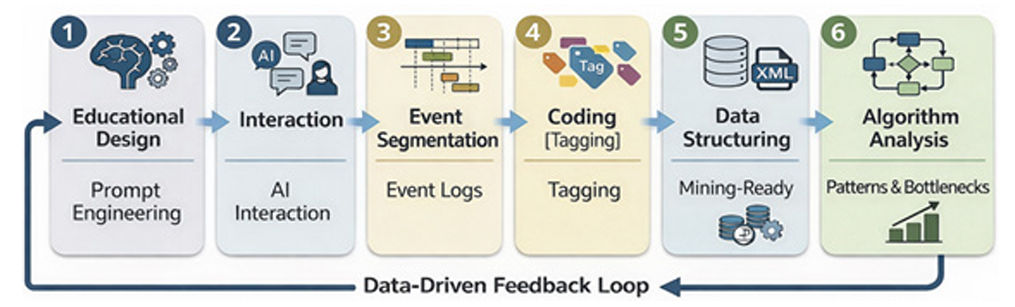
Fig. 1. Overview of the proposed framework integrating prompt design. AI: artificial intelligence; XML: extensible markup language.
생성형 AI의 핵심 역량은 언어 정보의 생성을 효과적으로 제어하는 프롬프트 엔지니어링(prompt engineering)기술에 있다. 프롬프트는 LLM의 출력을 최적화하기 위해 지시문을 설계하고 정제하는 과정을 의미하며 이를 통해 AI의 구동 효율성을 극대화한다[3]. 정교한 프롬프트 설계는 LLM 및 시각 언어 모델(vision language model)의 적응성을 향상시켜 사용자의 목적과 수준에 부합하는 응답 생성을 유도하며, 텍스트 생성뿐 아니라 코드, 이미지 등 다각적인 형태의 결과물을 도출할 수 있게 한다[1,4]. 따라서 교수자는 학습자의 수준, 학습 환경, 전공 특수성을 반영한 프롬프트를 제작함으로써 양질의 교육 프로토콜을 설계할 수 있으며 이를 통해 AI 학습 도구의 응답 정합성을 유의미하게 향상할 수 있다[15]. 현재 치위생학 교육 현장에서 프롬프트 엔지니어링의 효과를 실증적으로 검증한 연구는 제한적이나 프롬프트 최적화를 통해 LLM이 생성하는 정보의 정확성과 질적 수준이 개선될 수 있다는 점은 이미 입증된 바 있다[2]. 본 연구에서는 Zimmerman[11]의 자기조절학습 단계와 프롬프트를 대응시켜 치위생학 전공에 적합한 프롬프트 설계 프레임을 제안하고자 한다. 특히 다중 프롬프트 활용 시 발생할 수 있는 확률적 응답의 불안정성을 최소화하기 위한 방법을 함께 제시함으로써 생성형 AI 기반 학습지원 시스템의 안정성과 교육적 타당성을 동시에 확보하고자 한다.
CoT prompting은 LLM이 단순한 정답 산출에 그치지 않고 사고의 중간 과정을 명시적으로 기술하도록 유도하는 기법으로 인간의 추론 과정과 유사한 단계적 사고(step-by-step reasoning)를 언어적으로 구현함으로써 복합적 문제 해결에 필요한 추론 과정을 지원한다[16]. CoT는 일반적으로 “Let’s think step by step.” 혹은 “Explain the reasoning process behind your answer.”와 같은 지시문의 형태로 구현된다. 이러한 명시적 지시를 통해 생성형 AI 응답의 투명성과 논리적 일관성을 높일 수 있다[17]. 그러나 사고의 모든 과정을 출력하도록 요구할 경우, AI의 응답이 과도하게 장황해지거나 현실성과 괴리가 있는 추론을 생성할 가능성이 있으므로, 단계 수 제한 및 핵심형 근거 제시 등의 통제 문구를 함께 적용함으로써 확률적 불안정성을 최소화할 필요가 있다[16]. 치위생학 교육 맥락에서 CoT prompting은 문제 중심 학습(problembased learning)이나 사례 기반 학습(case-based learning) 환경에서 효과적으로 활용될 수 있다. 예를 들어, 임상 증례를 제시한 후 추론 가능한 원인과 병태생리 과정을 단계적으로 추론하도록 유도하는 프롬프트를 적용하면 학습자는 자신의 사고 과정을 언어적으로 구조화하는 동시에 AI의 단계적 피드백을 통해 자기 점검(self-monitoring)을 수행하게 된다. 이러한 상호작용은 Zimmerman[11]이 제시한 자기조절학습의 수행(performance) 단계에서의 자기 점검 과정과 일치하며, 학습자의 추론 과정 점검 및 수정 행동을 강화하는 데 기여할 수 있을 것이다.
ToT prompting은 LLM이 문제 해결 과정을 단일 사고 경로로 인식하는 것에서 벗어나, 다중 경로를 병렬적으로 탐색하고 이를 비교·평가하도록 유도하는 기법이다. 이는 복잡한 의사결정 상황에서 여러 대안을 검토한 후 최적의 방법을 선택하는 인간의 사고방식과 유사하며, 다중 경로 탐색(multi-path Reasoning)을 통해 문제 해결 과정의 구조적 탐색 및 의사결정 정확도를 향상시킨다[18]. ToT는 일반적으로 “List several possible solutions and evaluate each based on specific criteria.” 또는 “Explore different reasoning paths and choose the most effective one.”과 같은 형태로 구현되며 해당 지시를 통해 생성형 AI가 문제를 다양한 관점에서 분석하고, 각 사고 경로의 장단점을 체계적으로 비교하도록 유도함으로써 사고의 폭과 심층적 이해를 동시에 확장할 수 있다[17]. 다만 제시 기준이 명확하지 않을 경우, 불필요한 탐색을 반복하거나 비효율적인 결론에 도달할 가능성이 있으므로, 분기 수를 제한하고 명시적인 평가 기준을 제시함으로써 확률적 불안정성을 통제할 필요가 있다[4]. 치위생학 교육 맥락에서 ToT는 복합적인 임상 상황을 비교, 평가하는 문제 중심 학습에 특히 적합하다. 예를 들어, 치면세균막 관리 방안을 제시한 후 각 방법을 비용 측면, 환자 순응도, 효과성 관점에서 평가한 후 가장 적합한 전략의 선택을 유도하는 형태의 프롬프트를 적용할 경우 학습자는 다양한 관점에서 문제 해결 경로를 탐색하고, 선택의 근거를 논리적으로 제시하게 된다. 이러한 학습 과정은 Zimmerman[11] 자기조절학습의 계획(planning) 단계에서 요구되는 목표 설정과 전략 선택 과정을 강화하는데 기여할 수 있다.
ReAct prompting은 LLM이 단순히 사고 과정을 서술하는 데 그치지 않고, 추론과 행동을 순환적으로 수행하도록 유도하는 기법이다. 이는 문제 해결 과정에서 사고와 행동이 피드백을 주고받는 인간의 인지구조와 유사한 특성을 가진다[19]. 생성형 AI는 추론의 근거를 제시한 후 이에 기반한 구체적 행동을 수행하고 그 결과를 다시 평가하도록 설계된다는 점에서 ReAct는 단순 응답 생성을 넘어, 추론-행동-검증으로 이어지는 순환적 문제 해결력을 갖게 된다[17]. 일반적으로 “Think step by step, then act based on your reasoning.” 또는 “Explain your reasoning, and then describe what action you would take.”와 같은 형태로 구현된다. 다만 행동 단계에서 수행 절차를 과도하게 상세히 입력할 경우, 비현실적이거나 비효율적인 출력값을 생성할 가능성이 있으므로, 행동 범위와 반복 루프 횟수를 제한하는 설계 전략이 필요하다[19]. 치위생학 교육에서 ReAct는 임상 과정에서 학습자가 원인을 먼저 추론한 뒤 단계별 처치 과정을 도출하도록 유도함으로써 선행 학습된 이론적 지식을 기반으로 실천적 행동이 연결되는 경험을 가능하게 한다. 이는 Zimmerman[11]이 제시한 자기조절학습의 수행(performance) 단계에서 요구되는 실행과 모니터링 과정에 부합되며, 학습자가 스스로 자신의 학습 전략을 점검하고 개선하도록 지원할 수 있다.
Reflection prompting은 학습자가 수행한 학습 경험과 사고 과정을 스스로 재점검하도록 유도하는 기법이다. 이는 단순한 지식의 재생산을 넘어, 학습자가 자신의 이해 수준과 오류를 인지하고 학습 전략을 조정할 수 있도록 하여 메타인지적 조절 기능을 강화하는 데 목적이 있다[20]. 일반적으로 “Reflect on what was most difficult and how you could improve it.” 또는 “What did you learn and what will you do differently next time?”과 같은 형태로 구현되며, 이러한 방식은 학습자가 수행 결과를 분석하도록 할 뿐만 아니라 자기평가(self-evaluation)와 자기 피드백(self-feedback)을 하도록 한다[17]. 특히 임상 실습 비중이 높은 치위생학 교육에서 reflection은 학습자가 자신의 임상 판단과 술식 과정을 비판적으로 검토하고 개선점을 도출하는 경험을 축적하게 한다. 이는 Zimmerman[11] 자기조절학습의 성찰(reflection) 단계에서 요구되는 자기반성 및 전략 수정 능력의 향상으로 이어질 수 있다.
Step-back prompting은 학습자가 문제 해결과 사고 수행을 종료한 후, 자신의 사고 과정을 거시적 관점에서 재평가하도록 유도하는 기법이다. 이는 단순한 성찰을 넘어 기존 사고를 재구성하고 다양한 맥락과 조건에 적용할 가능성을 탐색하도록 유도함으로써 적응적 사고를 촉진하는 데 목적이 있다[21]. 일반적으로 “Now step back and reconsider your plan from another perspective.” 또는 “If you applied your solution to a different patient group, what would change?”와 같은 형태로 구현된다. 이는 학습자가 자신의 판단을 절대적인 정답으로 수용하기보다 다양한 상황적 조건과 환경적 변수를 고려하여 사고의 유연성을 확장할 수 있도록 한다[17]. 치위생학 교육에서 Step-back은 학습자가 수립한 치위생 임상 평가 과정이나 교육 계획을 환자의 특성, 연령, 구강건강에 대한 문해력 등 다양한 변수에 따라 재설계하도록 유도하는 데 효과적이다. 예를 들어, 구강보건교육 계획 수립 시 소아 환자 또는 문해력이 낮은 환자에게 고려되어야 할 요소를 탐색하도록 유도하는 프롬프트를 적용하면, 학습자는 기존 전략을 새로운 관점에서 재구성하고 상황 적합성을 평가하는 경험을 하게 한다. 이는 Zimmerman[11]의 계획과 자기반성을 순환적으로 연결함으로써 학습자의 지속 가능하고 적응적인 자기조절능력 강화에 효과적일 수 있다<Table 1>.
각 프롬프트 엔지니어링 기법은 고유한 특성과 교육적 강점을 지니며 교육적 맥락에 맞게 활용한다면 학습지원의 정교화에 기여할 수 있으며[22] 이를 Zimmerman[11]의 자기조절학습 단계와 연계하여 최적화된 설계 전략을 요약하면 다음과 같다<Table 2>. 계획 단계에서는 사고 경로를 비교, 평가하여 최적의 학습 전략을 선택하도록 돕는 ToT가 적합하며[18], 수행 단계에서는 복합적인 임상 추론을 유도하는 CoT와 사고와 행동을 결합한 ReAct가 실행 및 모니터링 과정을 효과적으로 지원할 수 있다[16,19]. 마지막으로 성찰 단계에서는 reflection 기법을 통해 자기평가와 전략 수정을 유도하고, step-back을 통해 학습 결과를 상위 관점에서 재구성함으로써 다시 계획 단계로 연결되는 순환적 학습 구조를 완성할 수 있다[20,21]. 그러나 이러한 프롬프트 기법들을 모든 학습 상황에 동시에 통합 적용하는 것은 지양해야 한다. 프롬프트 구조가 지나치게 복잡해지면 학습 내용의 일관성이 저해될 뿐만 아니라 학습자의 인지 부하를 증가시킬 가능성이 있다[15]. 특히 LLM 모델의 확률적 출력 특성상 응답이 지나치게 방대해지면 학습자가 핵심 개념 이해보다 응답 해석에 과도하게 몰입할 위험이 있다[2]. 교수자 또한 제한된 수업 환경에서 모든 프롬프트를 설계하고 운영하는 데 실질적인 부담을 느낄 수 있다[15]. 따라서 프롬프트 기법은 전면적 통합보다는, 각 전공 목적과 학습자의 수준에 맞추어 선택적으로 활용하는 것이 바람직하다[22].
Table 1. Pedagogical applications of prompt engineering techniques in dental hygiene education.
| Prompting technique | Core definition | Reasoning structure | Cognitive function | Instructor’s design role | Learner reasoning pattern |
|---|---|---|---|---|---|
| CoT | A prompting strategy that explicitly elicits intermediate reasoning steps during problem solving | Linear, single-path stepwise reasoning | Structuring analytical thinking and enhancing logical coherence | Designing prompts that scaffold sequential reasoning | Articulating step-by-step reasoning and self-monitoring |
| ToT | A strategy that encourages exploration and evaluation of multiple reasoning paths before selecting a solution | Branching, multi-path reasoning | Comparative evaluation and strategic decision-making | Structuring branching paths and defining evaluation criteria | Comparing alternatives and selecting optimal strategies |
| ReAct | A prompting strategy integrating iterative reasoning and action within a feedback loop | Cyclical reasoning-action loop | Integration of decision-making and procedural execution | Defining constraints between reasoning and action phases | Translating reasoning into actionable plans |
| Reflection | A metacognitive strategy that encourages post-performance review and self-assessment | Post-performance meta cognitive review | Self-evaluation and strategy adjustment | Designing reflective prompts and feedback structures | Identifying learning gaps and revising strategies |
| Step-back | A strategy that prompts re-evaluation of solutions from a higher-level or alternative perspective | Meta-level reframing and restructuring | Adaptive reasoning and contextual flexibility | Designing perspective-shifting and contextual reframing prompts | Reorganizing prior reasoning across contexts |
CoT: chain-of-thought; ToT: tree-of-thought; ReAct: reasoning and acting.
Table 2. Example of a multi-stage prompt design in periodontal assessment and preventive care learning protocol
| Prompting technique | Component | Content |
|---|---|---|
| CoT | Clinical scenario | A 48-year-old male patient presents with persistent gingival bleeding during tooth brushing, halitosis, and a sensation of tooth mobility. Clinical observation reveals gingival inflammation, deep periodontal pockets, and gingival recession in the posterior region. The patient reports irregular dental visits and a history of smoking. |
| Prompt instruction | Based on clinical findings, explain the dental hygiene assessment process step by step and identify the major problem factors requiring preventive management. “Let’s think step by step.” |
|
| Educational purpose | Structuring the dental hygiene assessment process and strengthening stepwise clinical reasoning | |
| ToT | Expanded prompt | Consider multiple possible periodontal management and preventive care strategies applicable to this patient. Compare each option in terms of effectiveness, patient compliance, and clinical feasibility, and select the most appropriate approach. “Explore different reasoning paths before making a decision.” |
| Educational purpose | Enhancing planning skills through comparison and evaluation of multiple management strategies | |
| ReAct | Action-oriented prompt | Based on the selected strategy, describe the preventive procedures that a dental hygienist can perform (e.g., scaling, oral hygiene instruction, maintenance planning) in a stepwise manner, and explain the rationale for each step. “Explain your reasoning first, then describe the actions you would take.” |
| Educational purpose | Connecting assessment-based reasoning to preventive clinical actions through a reason-action loop | |
| Reflection | Reflective prompt | Reflect on the most challenging decision made during the periodontal management planning process and explain why it was difficult. Describe how you would improve your approach in a similar case in the future. “Take a moment to reflect on your decision-making process.” |
| Educational purpose | Strengthening metacognitive regulation through self-evaluation and reflective learning | |
| Step-back | Transfer prompt | Reconsider the proposed periodontal management and patient education plan from a broader perspective. How would the approach change if applied to an older adult or a patient with low oral health literacy? “Now step back and reconsider your approach from a broader perspective.” |
| Educational purpose | Promoting adaptive thinking and transfer of learning across different patient contexts |
CoT: chain-of-thought; ToT: tree-of-thought; ReAct: reasoning and acting.
교육 프로세스 마이닝은 학습 과정에서 발생하는 일련의 활동을 하나의 프로세스로 간주하여, LMS나 AI 학습 환경에서 생성되는 로그 데이터를 기반으로 학습 구조와 패턴을 분석하는 방법론이다[23]. 기존의 학습 분석이 성취도나 수행 결과와 같은 산출물 중심 평가에 치중했다면, EPM은 학습자가 어떤 순서와 패턴으로 학습을 수행하는지 시간 흐름에 따라 분석하는 데 초점을 맞춘다[24]. 선행 연구에 따르면 EPM은 학습 활동을 이벤트(event) 단위로 정의하고, 학습자 식별(case id), 활동유형(event), 발생 시점(timestamp)을 포함하는 이벤트 로그(event log)를 구성한 뒤, 프로세스 마이닝 알고리즘을 적용하여 학습 경로를 시각화한다[25]. 해당 분석을 통해 학습자의 학습 전이 양상, 반복 및 이탈 구간 자기조절학습 행동 분포 등을 시각적으로 관찰할 수 있을 뿐만 아니라 학습 과정에 대한 정량적, 구조적 해석을 가능하게 한다[24]. 특히 이벤트 로그 스키마, 코드북, 전처리 기준 및 알고리즘 파라미터 설정과 같은 분석 구성 요소는 교과목 특성과 교수설계 구조, 학습 활동 유형, 학습자 특성에 따라 다양하게 조정될 수 있다[25,26]. 특히 EPM은 디지털 교육 전환이라는 시대적 맥락에서 학습 과정의 다양성과 비선형성을 객관적으로 분석함으로써 학습 개입 시점을 판단하고 학습 지원 전략을 재설계할 수 있는 교육적 가능성을 보여준다[27]. 이에 본 연구에서는 이벤트 로그의 개념적 구성과 분석 절차를 중심으로 방법론적 원리를 제시하고, 학습자가 목표에 도달하는 과정에서의 인지적 경로를 분석하여 교수설계를 개선할 수 있는 근거를 제안하고자 한다.
생성형 AI 기반 학습 환경에서 학습 경로와 패턴을 분석하기 위해서는 전공 적합성을 고려한 학습 코드 설정과[25], 로그 데이터의 특성과 분석 목적에 부합하는 프로세스 마이닝 알고리즘을 선택적으로 적용해야 한다. 특히 학습자와 AI의 상호작용 과정에서 수집되는 로그 데이터는 반복, 분기, 비선형 구조 등을 포함하므로 이러한 복잡성을 충분히 반영할 수 있는 분석 모델의 설계가 필요하다[23]. 선행 연구에서는 학습자의 로그 데이터 분석을 통해 개념학습, 문제 해결, 자기반성 등 전반적인 학습 과정이 순환적으로 반복되는 자기조절 학습 루프가 관찰된 바 있다[28,29]. 따라서 선행 연구의 입증 결과를 근거로 본 연구에서는 단순 순차적 경로 추적보다는 실제 학습 행위의 빈도와 구조적 변이를 체계적으로 분석할 수 있는 알고리즘 운용 원리를 제안하고자 한다[30]. 본 연구에서는 학술 및 데이터 분석 프로세스 마이닝 도구인 ProM과 Fluxicon Disco에서 활용되는 Alpha Miner, Heuristic Miner, Fuzzy Miner, Inductive Miner를 치위생 교육 환경의 학습 분석을 위한 방법론적 기준으로 제시하였다.
첫째, Alpha Miner는 학습 활동 과정의 기본적인 순차 관계를 도출하기에 최적화된 알고리즘이다. 비교적 명확한 단계적 구조를 파악할 수 있으므로 초기 분석 단계에서 유용하게 활용될 수 있다[31]. 선행 연구에서도 해당 알고리즘을 통해 학습자의 목표 설정- 학습 수행- 자기반성 단계로 이어지는 순환 구조를 확인하였다. 다만, 불특정 학습이 반복적으로 전개되는 실제 임상 교육 환경에서는 학습 경로의 복잡성과 변이를 충분히 반영하기에는 단독 활용에 한계가 있다[28,29].
둘째, Heuristic Miner는 이벤트 빈도 기반 인과관계를 중심으로 대표적인 학습 패턴을 도출하므로 반복적으로 발생하는 주요 학습 흐름과 경로를 파악하는 데 적합한 알고리즘이다[32]. 선행 연구에서도 학습자와 AI의 상호작용 과정에서 발견되는 특정 학습 전략이나 회귀 패턴을 시각화하였으며 학습 행동의 빈도 기반 관계를 분석하는 데 효과적으로 활용하였다[28,29].
Fuzzy Miner는 복잡한 학습 과정을 단순화시켜 핵심 흐름을 중심으로 시각화하는 데 유용한 알고리즘이다[33]. 선행 연구에서도 학습자의 다양한 경로 변이와 주요 학습 활동 간의 연관성을 시각화하기 위해 해당 알고리즘을 활용하였다. 특히 임상 과목과 같은 다양한 학습 경로와 변이가 공존하는 학습 환경에서 학습 경향성을 직관적으로 파악하고자 할 때 효과적으로 활용할 수 있다[28,29].
Inductive Miner는 반복과 병렬 구조를 포함하는 학습 행동을 비교적 안정적인 프로세스 모델로 재구성할 수 있으며 설계된 학습 단계와 실제 학습 경로 간의 구조적 일치 여부를 분석하는 데 사용될 수 있다[30]. 선행 연구에서도 해당 알고리즘을 활용하여 학습 단계의 전환 구조와 각 학습 활동의 완료 패턴을 확인함으로써 학습자의 자기조절 학습 수행 과정의 구조와 경향성을 확인한 바 있다. 해당 분석은 학습 단계 중 누락 구간, 과도한 반복, 비의도적 분기와 같은 학습자의 패턴과 특징을 체계적으로 확인할 수 있는 근거를 제공한다[28,29].
이와 같이 각 프로세스 마이닝 알고리즘은 분석 대상과 목적에 따라 다르게 활용할 수 있다. 따라서 교수자는 단일 알고리즘에 의존하기보다는 전공 특성, 학습 목표, 학습자의 학습 행동 특성에 따라 알고리즘을 조합하여 활용할 수 있다[34]. <Table 3> 특히 생성형 AI 기반 전공 교육에서는 학습 경로의 다양성과 비선형성이 두드러지기 때문에, 대표적인 학습 패턴 식별, 구조적 흐름 분석, 규칙 준수 여부 확인, 학습 과정 시각화 등 서로 다른 분석 관점을 통합적으로 적용함으로써 다층적 해석이 가능하다[25]. 이러한 조합적 분석 전략은 학습자의 학습 패턴을 더욱 정교하게 이해하고, 교수자가 전공 교육 맥락에 부합하는 학습 설계와 피드백 전략을 수립하는 데 실질적인 근거를 제공할 수 있을 것이라 기대한다.
Table 3. Overview of key algorithms applied in educational process mining
| Algorithm | Suitable educational context | Analytical focus in dental hygiene education | Interpretative consideration |
|---|---|---|---|
| Alpha Miner | Structured or protocol-driven learning activities | Identifies basic sequential relationships in stepwise learning processes | Limited in capturing iterative, branching, or non-linear clinical reasoning patterns |
| Heuristic Miner | Repetitive and variable learner-AI interaction contexts | Identifies dominant, frequency-based reasoning and action patterns across learners | Dependency thresholds may influence detection of less frequent but pedagogically meaningful variations |
| Fuzzy Miner | Highly complex and dense interaction logs | Simplifies interaction networks to highlight major activity clusters and learning bottlenecks | May abstract subtle yet educationally relevant transitions |
| Inductive Miner | Integrative learning scenarios requiring structural comparison | Reconstructs stable models that support comparison between designed learning stages and actual learner pathways | Sensitive to noise filtering parameters and log quality |
본 연구에서 제안한 생성형 AI 기반 교수설계 프레임워크는 학습자의 학습 결과뿐 아니라 전 학습 과정을 분석한다. 기존 LMS 기반 학습 분석이 주로 성취도, 참여율, 과제 제출 여부 등의 결과 중심 지표에 의존한 것과 달리, 본 프레임워크는 학습자와 AI 간 상호작용 로그를 기반으로 사고의 흐름, 반복 학습 경로, 오류 패턴을 구조적으로 파악할 수 있는 분석적 기틀을 제시한다[28,29,35]. 이는 치위생학 교육에서 학습자의 문제 해결 과정과 의식의 흐름을 관찰할 수 있다는 점에서 의미가 있다. 따라서 본 연구는 생성형 AI를 단순한 보조 도구로 활용하는 것을 넘어, 교수자가 사전에 설계한 학습 흐름과 학습자의 실제 수행 경로 간 차이를 비교·분석할 수 있도록 한다는 점에서 기존 연구와 차별성을 가진다. 이는 임상 치위생과정 같은 단계적 판단과 통합적 사고, 반복 점검과 개입이 요구되는 보건 의료전공 교육에서 교수설계의 정밀성을 높이고, 학습지원 전략을 구체화할 수 있는 근거로 활용될 수 있다. 학습자는 단순 정답 확인을 넘어 자신의 사고 과정과 판단 근거를 점검할 수 있는 반성적 학습 환경을 경험할 수 있을 뿐만 아니라 반복 학습 행동, 우회 경로, 오류 수정 양상을 인식하고 개선하여 자기조절학습 역량을 강화할 수 있을 것이다. 그러나 본 연구는 몇 가지 한계를 가진다. 첫째, 치위생학 분야에서 생성형 AI 기반 학습과 프로세스 마이닝을 직접적으로 결합한 선행 연구가 부재하고, 일부 논의는 보건의료 및 교육학 인접 분야의 연구 흐름을 참조하여 해석되었다는 점에서 학습 효과를 검증하기 위한 추가적인 연구가 필요하다. 둘째, 생성형 AI 기반 로그 데이터는 프롬프트 설계, 학습자의 디지털 활용 역량, 시스템 환경, 모델 버전과 같은 다양한 요인의 영향을 받으므로, 동일한 학습 활동이라 하더라도 응답의 일관성과 데이터 해석에 차이가 발생할 수 있으므로 이를 통제할 방법을 마련해야 할 것이다. 셋째, 표본의 대표성과 실제 교육 현장 적용 범위가 제한적이기 때문에 본 연구의 결과를 모든 전공 교육에 일반화하는 데에는 신중함이 요구된다. 이러한 한계에도 본 연구는 치위생학 전공 교육에서 생성형 AI 기반 학습을 교수자 중심 설계와 과정 기반 분석의 관점에서 체계화하였다는 점에서 의미가 있다. 향후 다양한 교과목, 학년, 임상 실습 맥락 등에 본 프레임워크를 적용하여 학습성과 및 임상 역량과의 상관관계를 실증적으로 검증할 필요가 있다. 또한 로그 데이터의 표준화, LLM 모델별 출력값 통제, 교수자 개입 전략의 구체화 등을 통해 생성형 AI 기반 교육 프로세스 마이닝의 적용 가능성과 신뢰성을 보다 구체적으로 확보할 필요가 있다.
본 연구는 치위생학 전공 교육에서 생성형 AI 기반 학습 환경을 교수자 중심으로 설계하고, 학습자와 AI의 상호작용 로그 데이터를 프로세스 마이닝으로 분석할 수 있는 방법론적 프레임워크를 제안하였다. 이는 기존 LMS 기반의 결과 중심 분석을 보완하여 치위생학 교육에서 학습자의 자기조절학습 과정과 문제해결 경로를 보다 구체적으로 파악할 수 있는 가능성을 제시하였으며, 보건의료계열 교육과 임상역량 기반 교육으로의 확장 가능성도 시사한다. 다만 본 연구는 방법론적 제안에 초점을 둔 만큼 실제 교육 현장에서의 실증적 검증이 부족하고, 특정 전공과 학습 맥락에 기반하였다는 한계가 있다. 향후 다양한 교과목과 임상실습 맥락에 적용하여 교육 효과를 검증하고, 로그 데이터 표준화 및 교수자 개입 전략을 구체화하는 후속 연구가 필요하다.
Conceptualization: HM Kang; Data collection: HM Kang; Formal Analysis: HM Kang; Writing-original draft: HM Kang; Writingreview & editing: HM Kang, HK Kang
The authors declared no conflicts of interest.
None.
This was not a human population study; therefore, institutional review board approval and informed consent were not required.
The data supporting the findings of this study are available from the corresponding author upon reasonable request.
None.
Generative AI was used to assist in the conceptual design and manuscript refinement. The author independently reviewed and finalized all content.
1. Kumar E. Artificial intelligence. New Delhi: I.K. International Publishing House; 2008: 1–27.
2. Huang K. LLM design patterns: a practical guide to building robust and efficient AI systems. Birmingham: Packt Publishing; 2025.
3. Dinç C, Öz ÖF, Arıkan SB, Doğan S, Özekinci M, Doğan NU, et al. Study of comparative performance of general-purpose LLM-based systems in predicting IVF outcomes. J Assist Reprod Genet 2026;43:731–9. https://doi.org/10.1007/s10815-025-03793-y
4. Chan KK, Chan WH, Chan LC. Evaluating multimodal large language model (LLM) (generative pre-trained transformer 5 (GPT-5)) for meniscal tear detection on knee magnetic resonance imaging (MRI): a pilot study. Cureus 2025;17(12):e99472. https://doi.org/10.7759/cureus.99472
5. Pierson L. Build with AI: vibe code a prompt engineering agent to drive LLM adoption [Internet]. Linkedin [cited 2025 Sep 06]. Available from: https://www.linkedin.com/learning/build-with-ai-vibe-code-a-prompt-engineering-agent-to-drive-llm-adoption
6. Shin SY. Exploring the impact of educational use of AI in the learning process on AI literacy and learning outcomes. J Korean Assoc Educ Inf Media 2025;31(1):245–66. https://doi.org/10.15833/KAFEIAM.31.1.245
7. Chan CKY, Colloton T. Generative AI in higher education: the ChatGPT effect. New York: Routledge; 2024: 10–20. https://doi.org/10.4324/9781003459026
8. Anders AD, Speltz ED. Developing generative AI literacies through self-regulated learning: a human-centered approach. Comput Educ Artif Intell 2025;9:100482. https://doi.org/10.1016/j.caeai.2025.100482
9. McCrary A. How to use ChatGPT to make your teaching life easier. Birmingham: Packt Publishing; 2023.
10. Borgnakke K. AI and ChatGPT technology in education: an ethnographic encounter. Cham: Springer; 2025: 1–36.
11. Panadero E, Alonso-Tapia J. How do students self-regulate? Review of Zimmerman’s cyclical model of self-regulated learning. An Psicol 2014;30(2):450–62. https://doi.org/10.6018/analesps.30.2.167221
12. Shin BM, Bae SM, Shin SJ. Analysis of a clinical dentistry course to study the need for integrated curriculum: in the case of dental hygiene department in Korea and Japan. J Korean Soc Dent Hyg 2019;19(3):331–42. https://doi.org/10.13065/jksdh.20190035
13. Yoon SB, Yang SH, Park HS. LMS-based edutech teaching and learning platform model design study. J Digit Converg 2021;19(10):29–38. https://doi.org/10.14400/JDC.2021.19.10.029
14. Jung YR, Lee WS, Cho DJ. Development of PBL packages for the improvement of the problem-solving ability, self-directed learning capability and communicative competence of dental hygiene students. J Korean Acad Dent Hyg Educ 2010;10(1):33–49.
15. Hiriyanna S, Zhao W. Multi-layered framework for LLM hallucination mitigation in high-stakes applications: a tutorial. Computers 2025;14(8):332. https://doi.org/10.3390/computers14080332
16. Wei J, Wang X, Schuurmans D, Bosma M, Ichter B, Xia F, et al. Chain-of-thought prompting elicits reasoning in large language models. arXiv [Preprint] 2022. https://doi.org/10.48550/arXiv.2201.11903
17. Villalobos R. Multimodal prompting with Google’s project Gemini [Internet]. Linkedin [cited 2025 Sep 06]. Available from: https://www.linkedin.com/learning/multimodal-prompting-with-google-s-project-gemini
18. Yao S, Yu D, Zhao J, Shafran I, Griffiths TL, Cao Y, et al. Tree of thoughts: deliberate problem solving with large language models. arXiv [Preprint] 2023. https://doi.org/10.48550/arXiv.2305.10601
19. Yao S, Zhao J, Yu D, Du N, Shafran I, Narasimhan K, et al. ReAct: synergizing reasoning and acting in language models. In: Proceedings of the 11th International Conference on Learning Representations (ICLR 2023); 2023 May 1–5; Kigali, Rwanda.
20. Liu F, AlDahoul n, Eady G, Zaki Y, Rahwan T. Self-reflection makes large language models safer, less biased, and ideologically neutral. arXiv [Preprint] 2025. https://doi.org/10.48550/arXiv.2406.10400
21. Zheng HS, Mishra S, Chen X, Cheng HT, Chi EH, Le QV, et al. Take a step back: evoking reasoning via abstraction in large language models. In: Proceedings of the 12th International Conference on Learning Representations (ICLR 2024); 2024 May 7–11; Vienna, Austria.
22. Kim S. Developing code generation prompts for programming education with generative AI. J Korean Assoc Comput Educ 2023;26(5):10717. https://doi.org/10.32431/kace.2023.26.5.009
23. AlQaheri H, Panda M. An education process mining framework: unveiling meaningful information for understanding students’ learning behavior and improving teaching quality. Information 2022;13(1):29. https://doi.org/10.3390/info13010029
24. Bogarín A, Cerezo R, Romero C. A survey on educational process mining. WIREs Data Mining Knowl Discov 2018;8(1):e1230. https://doi.org/10.1002/widm.1230
25. Kim TY, Kim HM, Cho MS. Toward understanding learning patterns in an open online learning platform using process mining. J Intell Inf Syst 2023;29(2):285–301. https://doi.org/10.13088/jiis.2023.29.2.285
26. Romero C, Cerezo R, Bogarín A, Sánchez-Santillán M. Educational process mining: a tutorial and case study using Moodle data sets. In: Data mining and learning analytics: applications in educational research. Edited by ElAtia S, Ipperciel D, Zaïane OR: Hoboken: Wiley; 2016. https://doi.org/10.1002/9781118998205.ch1
27. Feng G, Chen H. Educational process mining: a study using a public educational data set from a machine learning repository. Educ Inf Technol 2025;30:8187–214. https://doi.org/10.1007/s10639-024-13130-y
28. Kang HM, Kang HK. Analysis of dental hygiene students’ self-regulated learning patterns using process mining with generative AI. Korean J Converg Sci 2025;14(4):181–96. https://doi.org/10.24826/KSCS.14.4.12
29. Kang HM, Kang HK. A comparative study on learning patterns in basic and clinical dental hygiene using generative AI and process mining. J Korean Soc Oral Health Sci 2025;13(3):30–9. https://doi.org/10.33615/jkohs.2025.13.3.30
30. Liu F, Zhao L, Zhao J, Dai Q, Fan C, Shen J. Educational process mining for discovering students’ problem-solving ability in computer programming education. IEEE Trans Learn Technol 2022;15(6):709–19. https://doi.org/10.1109/TLT.2022.3216276
31. Davidrajuh R, Roci A. A polynomial-time alpha-algorithm for process mining. Int J Simul Syst Sci Technol 2018;19(5):1–7. https://doi.org/10.5013/IJSSST.a.19.05.12
32. Weijters AJMM, van der Aalst WMP, Alves De Medeiros AK. Process mining with the HeuristicsMiner algorithm. Eindhoven: Technische Universiteit Eindhoven; 2006: 34.
33. Özdağoğlu G, Damar M, Erenay FS, Turhan Damar H, Himmetoğlu O, Pinto AD. Monitoring patient pathways at a secondary healthcare services through process mining via Fuzzy Miner. BMC Med Inform Decis Mak 2025;25:199. https://doi.org/10.1186/s12911-025-03016-5
34. Wang J, Wong RK, Ding J, Guo Q, Wen L. Efficient selection of process mining algorithms. IEEE Trans Serv Comput 2013;6(4):484–96. https://doi.org/10.1109/TSC.2012.20
35. Henesy MA, Henderson RP, Gross EL, Shah A, Kearney RC. Dental and dental hygiene students’ perceptions on intraprofessional education. J Dent Educ 2025;89(3):355–62. https://doi.org/10.1002/jdd.13741