Journal of Korean Society of Dental Hygiene Open access, Peer Reviewed
pISSN 2287-1705, eISSN 2288-2294
Weeks in Review
Weeks to Publication
Journal of Korean Society of Dental Hygiene Open access, Peer Reviewed
pISSN 2287-1705, eISSN 2288-2294
Min-Hee Hong1 , Jung-Min Lee2
1Department of Dental Hygiene, Division of Health Science, Baekseok University
2Korea Foundation of Industrial Health Care and Welfare
Correspondence to Min-Hee Hong, Department of Dental Hygiene, Division of Health Science, Baekseok University, 1 Baekseokdaehakro, Dongnam-gu, Cheonan-si, 31065, Korea. Tel:+82-41-550-0812, Fax: +82-41-550-9146, E-mail: mini8265@bu.ac.kr
Volume 26, Number 2, Pages 253–65, April 2026.
J Korean Soc Dent Hyg 2026;26(2):253–65. https://doi.org/10.13065/jksdh.2026.26.2.12
Received on February 25, 2026, Revised on April 05, 2026, Accepted on April 08, 2026, Published on April 30, 2026.
Copyright © 2026 Journal of Korean Society of Dental Hygiene.
This is an Open Access article distributed under the terms of the Creative Commons Attribution Non-Commercial License(http://creativecommons.org/licenses/by-nc/4.0).

Objectives: This study examined the associations between physical, mental, and oral health factors and chewing discomfort among adult workers aged 19–64 years using data from the 9th Korea National Health and Nutrition Examination Survey (2022–2024). Methods: The study included 7,613 adult workers. General characteristics, physical activity, physical health, oral health, and mental health factors were analyzed as independent variables, with chewing discomfort serving as the dependent variable. Data were analyzed using complex sample cross-tabulation and logistic regression. Results: The prevalence of chewing discomfort was 12.4%. It occurred more frequently among workers aged ≥ 40 years, those employed in production roles, and those with lower educational attainment and income levels. A lack of leisure-time physical activity and insufficient aerobic activity were associated with a higher risk of chewing discomfort. Hypertension, diabetes mellitus, hypercholesterolemia, toothache, previous dental implant experiences, poor subjective oral health status, anxiety, and high stress were also significantly associated with chewing discomfort. Conclusions: Chewing discomfort among adult workers is associated with a range of physical, mental, and oral health factors. Therefore, comprehensive multidimensional strategies that encompass chronic disease management, mental health support, physical activity promotion, and preventive oral health care are essential.
Adult, Anxiety, Chewing discomfort, Occupational health, Oral health
저작은 음식물을 절단하고 분쇄하여 타액과 충분히 혼합함으로써 연하가 가능한 식괴를 형성하는 기본적인 생리 기능으로[1] 적절한 영양 섭취와 전신건강 유지에 필수적인 역할을 한다. 저작 기능은 잔존 치아 수, 교합 상태, 치주 건강, 보철물 상태, 저작근의 기능, 턱관절 기능 등에 의해 영향을 받으며[2–9], 기능이 저하될 경우 음식 선택 제한, 영양 불균형, 신체 건강, 정신건강 문제 및 삶의 질 저하로 이어질 수 있다[1–5]. 선행 연구에 따르면, 진행성 치주질환, 치아 상실로 인한 잔존 치아 수 감소, 치통은 저작 능력을 결정짓는 핵심적인 요인으로 작용한다[4,8]. 또한, 저작 불편은 임상적인 치아 상태뿐만 아니라 임플란트, 고정성 보철물 수복 여부 및 보철물 상태, 구강 검진 및 치과 치료 필요성의 관리적 측면과도 밀접한 관련이 있다[7,9]. 특히 주관적 구강 건강 상태는 저작 기능의 만족도를 결정짓는 중요한 변수로 확인되었다[7,9]. 저작 불편은 특정 단일 구강 증상이 아니라, 개인의 누적된 구강건강 관리 수준과 전반적인 구강 기능의 포괄적 지표로 볼 수 있다[4–10].
최근 연구에는 저작 불편감이 단순히 구강 내 요인에 한정되지 않고, 전신건강 상태와도 밀접한 관련성을 보인다는 보고가 증가하고 있다[10–13]. 고혈압, 당뇨병, 이상지질혈증과 같은 만성질환은 치주질환과 상호 관련성을 가지며[13], 이러한 병태생리적 연관성은 저작 기능 저하로 이어질 수 있다[12]. 특히 당뇨병은 만성적인 염증 반응과 면역 기능 저하를 통해 치주조직의 손상을 가중시키고 구강건강을 악화시키는 주요 요인으로 알려져 있으며[13], 만성질환을 보유한 집단에서 저작 불편의 위험이 상대적으로 높게 나타났다는 보고도 있다[4,5]. 정신건강 또한 저작 기능과 관련된 중요한 요인으로 보고되고 있다[14–20]. 우울은 구강 위생 관리의 소홀, 치과 이용 감소, 불건강한 생활 습관의 증가 등과 연관되어 구강건강에 부정적인 영향을 미치는 요인으로 보고되어 왔다[21]. 실제로 우울 수준이 높을수록 저작 문제의 발생 위험이 유의하게 증가하는 것으로 나타났으며[3,5,7], 특히 우울 수준이 단계적으로 상승할수록 저작 불편의 위험 또한 점진적으로 증가하는 경향이 확인되었다[22].
스트레스 역시 구강건강에 영향을 미치는 대표적인 심리·사회적 요인으로, 스트레스 수준이 높은 집단에서 저작 불편을 경험할 가능성이 유의하게 높게 나타났다[6,7,11]. 이러한 결과는 저작 불편이 단순한 구강 내 증상에 국한되지 않고, 개인의 정신건강 상태와 밀접하게 연관된 복합적 건강 문제임을 의미하며, 저작 기능을 정신, 신체건강을 포괄하는 통합적 건강 지표로 볼 수 있다. 신체활동 또한 저작 기능과 관련된 요인으로 보고되고 있다[10,11]. 규칙적인 신체활동은 전신 염증을 감소시키고 근기능을 유지하는 데 기여하며, 혈류 개선을 통해 조직 건강을 증진시킨다[10]. 선행연구에서는 신체활동 실천 수준이 낮을수록 저작 불편의 위험이 증가하는 것으로 나타났으며[11], 특히 여가 신체활동과 유산소 신체활동 실천 여부가 저작 기능과 유의한 관련성을 보였다[10,11]. 이는 신체활동이 전신건강뿐만 아니라 구강 기능 유지와도 연계될 수 있음을 의미한다. 그동안 저작 불편과 관련된 연구는 주로 노년층을 대상으로 이루어져 왔다[16,17]. 노년층은 치아 상실 및 만성질환 유병률이 높아 저작 기능 저하가 두드러지게 나타나는 집단이기 때문이다. 그러나 최근 연구에서는 40대 이후 장년층에서도 저작 불편이 유의하게 나타나는 것으로 보고되었으며[11], 성인 집단에서도 정신건강 및 신체활동과의 관련성이 확인되고 있다[10,15]. 성인 근로자는 생산 활동의 중심 집단으로서 직업 환경, 업무 강도, 근무 형태, 스트레스 노출, 건강행태 및 의료 이용 접근성 등의 측면에서 일반 성인과 구별되는 특성을 가진다[5,21]. 특히 장시간 근로와 불규칙한 생활습관, 예방적 건강관리의 어려움은 구강건강 관리의 실천을 저해할 수 있으며, 이러한 특성은 저작 불편과 같은 구강기능 문제에도 영향을 미칠 가능성이 있다[5,10]. 또한 근로자의 건강 문제는 개인의 삶의 질에 그치지 않고 업무 수행과 생산성 저하로도 이어질 수 있으므로, 성인 근로자를 대상으로 저작 불편 관련 요인을 확인하는 것은 학술적 측면에서 의미가 있다[21]. 그럼에도 불구하고 생산 활동의 중심에 있는 성인 근로자를 대상으로 신체건강, 정신건강, 구강건강을 통합적으로 분석한 연구는 상대적으로 부족한 실정이다. 근로자는 직업 환경, 업무 강도, 교대 근무, 스트레스 등 다양한 요인에 노출되어 있으며[5,21], 이러한 환경적 요인은 건강행태와 구강건강 관리에 영향을 미칠 수 있다[10,14]. 직종에 따른 건강 격차와 사회경제적 수준에 따른 구강건강 차이는 선행연구에서 지속적으로 보고되어 왔다[5,21]. 특히 교육 수준과 소득 수준이 낮을수록 구강건강 상태가 불량하며, 저작 기능 저하 위험이 증가하는 것으로 나타났다[3–5]. 이는 사회경제적 요인이 구강건강 불평등의 중요한 요인임을 알 수 있다. 따라서 저작 불편을 이해하기 위해서는 구강 요인뿐만 아니라 신체건강, 정신건강, 신체활동, 사회경제적 특성 등을 동시에 고려한 통합적 접근이 필요하다. 특히 전국 단위 대표성을 갖는 국민건강영양조사 자료를 활용한 분석은 성인 근로자의 건강 특성과 저작 불편의 관련성을 종합적으로 파악하는 데 중요한 의의를 가진다. 이에 본 연구는 국민건강영양조사 제9기(2022–2024년) 자료를 활용하여 19–64세 성인 근로자를 대상으로 신체건강, 정신건강 및 구강건강 요인과 저작 불편의 관련성을 규명하고자 한다. 이를 통해 근로자의 구강건강을 전신건강 및 정신건강과 연계된 통합적 건강 문제로 인식하고, 근로자 집단을 위한 체계적인 구강건강 증진 전략 수립의 기초자료를 제공하고자 한다.
국민건강영양조사 제9기(2022–2024년) 원시자료를 활용하였다. 국민건강영양조사는 국민건강증진법 제16조에 근거한 법정조사이며, 통계법 제17조에 따른 정부승인통계(승인번호 제117002호)이다. 또한 국가가 공공복리를 목적으로 직접 수행하는 연구에 해당하여, 생명윤리 및 안전에 관한 법률 및 같은 법 시행규칙에 따라 연구윤리심의위원회 심의 없이 수행 가능한 자료이다. 개인정보보호법 및 통계법을 준수한 질병관리청 조사자료로써 개인을 추정할 수 없도록 비식별 조치된 자료만을 제공하고 있으며, 원시자료는 국민건강영양조사 누리집에서 다운로드 받았다. 학술연구 등의 목적에 한해서는 제한공개자료의 이용이 가능하며, 원시자료 이용을 위해서 통계자료 이용자 준수사항 이행 서약서 및 보안 서약서에 서명 후 제출하였다. 표본조사 자료이므로 대한민국 국민에 대한 결과로 확대하여 해석이 필요한 경우에는 복합표본설계 요소를 반영하여 분석하도록 권고하고 있다. 표본 추출 방법은 조사구, 가구를 1, 2차 추출단위로 하는 2단계 층화집락표본추출방법을 적용하였고, 제9기(2022–2024)의 경우 시도, 동·읍면, 주택 유형을 기준으로 추출틀을 층화하고, 가구주 나이의 인구특성, 주거 면적 비율, 1인 미혼가구 비율 등을 내재적 층화 기준으로 사용하였다. 제9기(2022–2024) 조사구는 3년간 576개, 연간 192개씩을 추출하였다. 표본 조사구 내에서 교도소, 군대, 양로원 등의 시설 및 외국인 가구 등을 제외한 가구 중 25개 표본 가구를 선정하였다. 표본 가구 내에서는 적정가구원 요건을 만족하는 1세 이상의 모든 가구원을 조사대상자로 선정하였다[23]. 본 연구에서는 국민건강영양조사의 층화변수, 집락변수 및 건강설문·검진 통합가중치를 반영하여 복합표본설계에 맞추어 분석함으로써 표본추출 과정에서 발생할 수 있는 편향을 줄이고, 우리나라 성인 근로자 집단을 대표할 수 있도록 하였다. 또한 분석변수에 결측치가 있는 경우 해당 사례를 제외하는 complete-case analysis 방식으로 처리하였다. 본 연구대상자로는 19–64세 성인 근로자를 대상으로 분석하였다. 9기 전체 대상자 20,191명 중 18세 이하, 65세 이상, 근로활동을 하지 않는 미취업자, 농림어업종사자, 자영업자 및 결측치를 제외한 총 7,613명을 최종 분석대상자로 선정하였다<Fig. 1>.
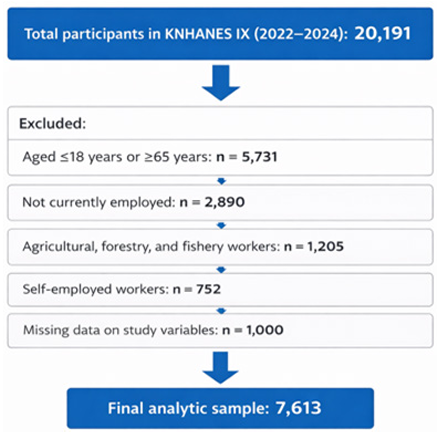
Fig. 1. Flow chart of participant selection
일반적인 특성은 성별(남, 여), 연령대(19–39세, 40–64세), 직종(전문직(관리직, 군인 포함), 사무직, 서비스직(판매직 포함), 생산직(기능·단순 노무직 포함)), 교육 수준(고졸 이하, 전문대졸 이상), 결혼 여부(미혼, 기혼), 소득 수준(상, 중상, 중하, 하), 활동 제한(유, 무), 음주(음주자, 비음주자), 흡연(흡연자, 비흡연자) 총 9문항을 분석하였다. 음주는 평생 비음주, 최근 1년간 월 1잔 미만 음주는 비음주자, 최근 1년간 월 1잔 이상 음주자로 분류하였다. 흡연은 비흡연자는 과거 흡연, 비흡연자, 흡연자는 현재 흡연으로 분류하였다. 신체활동은 고강도 신체활동(일) 유무, 중강도 신체활동(일) 유무, 고강도 신체활동(여가) 유무, 중강도 신체활동(여가) 유무, 유산소 신체활동 실천 유무 5문항을 분석하였다. 신체건강은 고혈압(정상, 전단계, 고혈압군), 당뇨병(정상, 전단계, 당뇨병군), 고콜레스테롤혈증(유, 무), 고중성지방혈증(유, 무), 빈혈(유, 무) 5문항을 분석하였다. 구강건강은 최근 1년간 치통 경험(유, 무), 구강검진 경험(유, 무), 치과 병의원 이용(유, 무), 임플란트(유, 무), 주관적 구강 상태(건강, 보통, 불건강), 저작 불편(유, 무) 6문항을 분석하였다. 주관적 구강 상태는 5점 척도 문항으로 매우 좋음–좋음은 건강, 보통, 나쁨–매우 나쁨은 불건강으로 분류하였다. 정신건강은 범불안장애(정상, 경증, 중등도, 심각), 스트레스(낮음, 높음) 2문항을 분석하였다. 범불안장애는 2주 동안 경험한 증상을 조사한 총 7문항으로 총점(0–21점)을 기준으로 정상: 0–4점, 경증: 5–9점, 중등도: 10–14점, 심각: 15–21점 4단계로 분류하였다. 본 연구에서는 범불안장애는 불안으로 표현하였다.
자료 분석은 IBM SPSS Statistics (ver. 25.0; IBM Corp., Armonk, NY, USA)을 사용하였다. 독립변수와 종속변수는 빈도분석을 시행하였다. 일반적인 특성, 신체활동, 신체건강, 구강건강, 정신건강과 저작 불편의 관련성은 복합표본 교차분석을 시행하였다. 저작 불편감에 영향을 미치는 건강 위험 요인을 탐색하기 위하여 복합표본 로지스틱 회귀분석을 시행하였다. 국민건강영양조사는 복합표본설계를 이용하여 표본을 추출하였으므로 가중치를 적용한 복합표본분석을 시행하였으며, 통계적 유의성 검정을 위한 제1종 오류수준(α)은 0.05로 설정하였다.
연구대상자의 일반적 특성 및 건강 관련 특성의 분포는 <Table 1>과 같다. 일반적인 특성에서 성별은 남성 56.8%, 여성 43.2%로 나타났다. 연령대는 39세 이하 39.5%, 40세 이상 60.5%로 40세 이상 근로자가 더 높은 비율을 나타냈다. 직종은 전문직 30.5%, 사무직 20.8%, 서비스·판매직 22.3%, 생산직 26.4%로 나타났으며, 전문직 비율이 가장 높았다. 교육 수준은 고졸 이하 41.1%, 전문대졸 이상 58.9%로 나타났다. 결혼 여부는 기혼 69.7%, 미혼 30.3%로 기혼자의 비율이 높았다. 소득 수준은 상 26.7%, 중상 27.0%, 중하 25.6%, 하 20.7%로 비교적 고르게 분포하였다. 활동 제한이 있는 경우 6.6%, 없는 경우 94.4%로 나타났다. 음주는 음주자 65.1%, 비음주자 34.9%였으며, 흡연은 흡연자 21.0%, 비흡연자 79.0%로 나타났다. 신체활동은 고강도 신체활동(일)을 실천하는 비율은 3.5%, 중강도 신체활동(일) 17.3%였다. 여가 고강도 신체활동은 19.7%, 여가 중강도 신체활동은 41.9%로 나타났다. 유산소 신체활동 실천율은 52.8%였다. 신체건강에서 고혈압은 정상 62.0%, 전단계 17.3%, 고혈압 20.7%였으며, 당뇨병은 정상 62.8%, 전단계 28.0%, 당뇨병 9.2%로 나타났다. 고콜레스테롤혈증은 22.4%, 고중성지방혈증은 14.1%, 빈혈은 6.2%였다. 정신건강에서는 불안은 정상군 82.0%, 경증 13.3%, 중등도 3.2%, 심각 1.6%였으며, 스트레스가 높은 집단은 29.8%로 나타났다. 구강건강에서 치통 경험은 27.8%였으며, 구강검진 경험은 47.0%, 치과 병의원 이용은 60.7%였다. 임플란트 경험자 21.0%였고, 주관적 구강 상태는 건강 19.3%, 보통 54.5%, 불건강 26.2%로 나타났다. 저작 불편은 12.4%였다.
Table 1. General characteristics, physical activity, physical health, oral health and mental health factors [Unit: unweighted N(weighted %)]
| Variable | N | % | ||
|---|---|---|---|---|
| General characteristics | Sex | Male | 3,698 | 56.8 |
| Female | 3,915 | 43.2 | ||
| Age(yrs) | 19–39 | 2,567 | 39.5 | |
| 40–64 | 5,046 | 60.5 | ||
| Occupation | Professional | 2,281 | 30.5 | |
| Office worker | 1,573 | 20.8 | ||
| Service & sales | 1,788 | 22.3 | ||
| Production | 1,971 | 26.4 | ||
| Education | ≤High school | 3,246 | 41.1 | |
| ≥ College | 4,337 | 58.9 | ||
| Marital status | Single | 2,032 | 30.3 | |
| Married | 5,581 | 69.7 | ||
| Income | High | 2,045 | 26.7 | |
| Upper-middle | 2,027 | 27.0 | ||
| Lower-middle | 1,953 | 25.6 | ||
| Low | 1,580 | 20.7 | ||
| Activity limitation | Yes | 494 | 6.6 | |
| No | 7,094 | 93.4 | ||
| Drinking | Yes | 4,791 | 65.1 | |
| No | 2,798 | 34.9 | ||
| Smoking | Yes | 1,432 | 21.0 | |
| No | 6,155 | 79.0 | ||
| Physical activity | Vigorous physical activity(work) | Yes | 232 | 3.5 |
| No | 7,381 | 96.5 | ||
| Moderate physical activity(work) | Yes | 1,218 | 17.3 | |
| No | 6,395 | 82.7 | ||
| Vigorous physical activity(leisure) | Yes | 1,367 | 19.7 | |
| No | 6,245 | 80.3 | ||
| Moderate physical activity(leisure) | Yes | 3,068 | 41.9 | |
| No | 4,544 | 58.1 | ||
| Aerobic physical activity | Yes | 3,908 | 52.8 | |
| No | 3,703 | 47.2 | ||
| Physical health | Hypertension | Normal | 4,615 | 62.0 |
| Prehypertension | 1,257 | 17.3 | ||
| Hypertension | 1,650 | 20.7 | ||
| Diabetes mellitus | Normal | 4,477 | 62.8 | |
| Prediabetes | 2,087 | 28.0 | ||
| Diabetes | 707 | 9.2 | ||
| Hypercholesterolemia | Yes | 1,767 | 22.4 | |
| No | 5,534 | 77.6 | ||
| Hypertriglyceridemia | Yes | 838 | 14.1 | |
| No | 5,611 | 85.9 | ||
| Anemia | Yes | 543 | 6.2 | |
| No | 6,913 | 93.8 | ||
| Mental health | Anxiety | Normal | 6,212 | 82.0 |
| Mild | 1,015 | 13.3 | ||
| Moderate | 231 | 3.2 | ||
| Severe | 129 | 1.6 | ||
| Stress | Low | 5,339 | 70.2 | |
| High | 2,249 | 29.8 | ||
| Oral health | Toothache | Yes | 1,853 | 27.8 |
| No | 5,089 | 72.2 | ||
| Oral examination | Yes | 3,573 | 47.0 | |
| No | 4,014 | 53.0 | ||
| Dental clinic visit | Yes | 4,623 | 60.7 | |
| No | 2,964 | 39.3 | ||
| Implant experience | Yes | 1,574 | 21.0 | |
| No | 5,368 | 79.0 | ||
| Subjective oral health status | Healthy | 1,321 | 19.3 | |
| Fair | 3,802 | 54.5 | ||
| Poor | 1,819 | 26.2 | ||
| Chewing discomfort | Yes | 953 | 12.4 | |
| No | 6,634 | 87.6 | ||
The unweighted N may vary across tables due to missing data and variable-specific valid-case analysis.
성인 근로자의 신체건강, 정신건강, 구강건강 요인과 저작 불편의 관련성은 <Table 2>와 같다. 복합표본 교차분석 결과, 일반적인 특성 중 성별(χ²=8.908, p=0.004), 연령(χ²=103.890, p<0.001), 직종(χ²=60.036, p<0.001), 교육 수준(χ²=58.256, p<0.001), 결혼 여부(χ²=43.283, p<0.001), 소득 수준(χ²=23.785, p<0.001), 활동 제한(χ²=24.325, p<0.001), 음주(χ²=5.679, p=0.032), 흡연(χ²=61.386, p<0.001)은 저작 불편과 유의한 관련성을 보였다. 성별에서는 남성의 저작 불편 13.3%, 여성은 11.1%로 나타났으며, 남성에서 저작 불편이 높았다. 연령대에서는 39세 이하의 저작 불편이 7.6%, 40세 이상은 15.5%로 나타났으며, 40세 이상에서 저작 불편이 높았다. 직종별로는 전문직 9.6%, 사무직 10.1%, 서비스·판매직 13.1%, 생산직 16.7%로 나타났으며, 생산직 근로자에서 가장 높은 저작 불편을 보였다. 교육 수준에서는 고졸 이하 15.8%, 전문대졸 이상 10.0%로 나타났으며, 교육 수준이 낮을수록 저작 불편이 높았다. 결혼 여부에서는 미혼 8.6%, 기혼 14.0%로 나타났으며, 기혼자에서 저작 불편이 높았다. 소득 수준에서는 상 10.1%, 중상 11.7%, 중하 12.9%, 하 15.4%로 나타났으며, 소득 수준이 낮을수록 저작 불편이 증가하였다. 활동 제한이 있는 집단 저작 불편은 19.4%, 없는 집단 11.9%로 나타났으며, 활동 제한이 있는 근로자에서 저작 불편이 높았다. 음주는 음주자 11.7%, 비음주자 13.6%로 나타났으며, 비음주자에서 저작 불편이 다소 높게 나타났다. 흡연은 흡연자 18.1%, 비흡연자 10.8%로 나타났으며, 흡연자에서 저작 불편이 높았다.
신체활동에서는 고강도 신체활동(여가)(χ²=10.335, p=0.004), 중강도 신체활동(여가)(χ²=24.872, p<0.001), 유산소 신체활동 실천(χ²=21.424, p<0.001)에서 유의한 관련성을 보였다. 여가 신체활동은 실천하는 집단에서 9.9%, 실천하지 않는 집단에서 13.0%로 나타났으며, 신체활동을 하지 않는 집단에서 저작 불편이 높았다. 여가 중강도 신체활동은 신체활동을 실천하는 집단 10.1%, 실천하지 않는 집단에서 14.0%로 나타났으며, 실천하지 않는 집단에서 저작 불편이 높았다. 유산소 신체활동 실천은 유산소 신체활동을 실천하는 집단 10.7%, 실천하지 않는 집단 14.2%로 나타났으며, 실천하지 않는 집단에서 저작 불편이 높았다. 그러나 일상 고강도 및 중강도 신체활동은 유의한 차이를 보이지 않았다.
신체건강 요인을 살펴보면, 고혈압(χ²=31.007, p<0.001), 당뇨병(χ²=53.121, p<0.001), 고콜레스테롤혈증(χ²=10.094, p=0.003)은 저작 불편과 유의한 관련성을 보였다. 고혈압은 정상군 10.8%, 전단계 14.1%, 고혈압군 15.8%로 나타났으며, 고혈압군에서 저작 불편이 높게 나타났다. 당뇨병은 정상 10.1%, 전단계 14.4%, 당뇨병군 18.5%로 나타났으며, 당뇨병군에서 저작 불편이 가장 높게 나타났다. 고콜레스테롤혈증은 있는 경우 14.3%, 없는 경우 11.4%로 나타났으며, 고콜레스테롤혈증이 있는 집단에서 저작 불편이 높았다. 반면 고중성지방혈증과 빈혈은 통계적으로 유의하지 않았다.
정신건강 요인을 살펴보면, 불안(χ²=19.326, p=0.003), 스트레스(χ²=36.341, p<0.001)와 유의한 관련성을 보였다. 불안은 정상 11.6%, 경증 15.8%, 중등도 14.3%, 심각 18.5%로 나타났으며, 심각군에서 저작 불편이 가장 높게 나타났다. 스트레스는 적음 10.9%, 높음 15.8%로 높은 집단에서 저작 불편이 유의하게 높았다.
구강건강 요인을 살펴보면, 치통 유무(χ²=311.281, p<0.001), 구강검진 경험(χ²=10.338, p=0.004), 임플란트(χ²=68.525, p<0.001), 주관적 구강 상태(χ²=581.657, p<0.001)에서 저작 불편과 유의한 관련성을 보였다. 치통은 있는 경우 23.5%, 없는 경우 7.9%로 있는 집단에서 저작 불편이 높았다. 구강검진은 받은 경우 11.1%, 받지 않은 경우 13.5%로 받지 않은 집단에서 저작 불편이 높았다. 임플란트는 경험 있는 집단 18.6%, 없는 집단 10.6%로 경험 있는 집단에서 저작 불편이 높았다. 주관적 구강 상태는, 건강 4.0%, 보통 7.6%, 불건강 28.0%로 불건강 집단에서 저작 불편이 가장 높게 나타났다. 치과 병의원 이용 여부는 유의한 차이를 보이지 않았다.
Table 2. Association between physical health, oral health, mental health, and chewing discomfort among adult workers [Unit: unweighted N(weighted %)]
| Variable | Chewing discomfort | |||||
|---|---|---|---|---|---|---|
| No | Yes | χ² | p | |||
| n(%) | n(%) | |||||
| General characteristics | Sex | Male | 3,179(86.7) | 506(13.3) | 8.908 | 0.004 |
| Female | 3,455(88.9) | 447(11.1) | ||||
| Age(yrs) | 19–39 | 2,365(92.4) | 195(7.6) | 103.890 | <0.001 | |
| 40–64 | 4,269(84.5) | 758(15.5) | ||||
| Occupation | Professional | 2,066(90.4) | 213(9.6) | 60.036 | <0.001 | |
| Office worker | 1,399(89.9) | 166(10.1) | ||||
| Service & sales | 1,534(86.9) | 245(13.1) | ||||
| Production | 1,635(83.3) | 329(16.7) | ||||
| Education | ≤High school | 2,720(84.2) | 525(15.8) | 58.256 | <0.001 | |
| ≥ College | 3,909(90.0) | 428(10.0) | ||||
| Marital status | Single | 1,850(91.4) | 179(8.6) | 43.283 | <0.001 | |
| Married | 4,784(86.0) | 774(14.0) | ||||
| Income | High | 1,839(89.9) | 198(10.1) | 23.785 | <0.001 | |
| Upper-middle | 1,763(88.3) | 259(11.7) | ||||
| Lower-middle | 1,701(87.1) | 243(12.9) | ||||
| Low | 1,324(84.6) | 252(15.4) | ||||
| Activity limitation | Yes | 391(80.6) | 103(19.4) | 24.325 | <0.001 | |
| No | 6,243(88.1) | 850(11.9) | ||||
| Drinking | Yes | 4,225(88.3) | 565(11.7) | 5.679 | 0.032 | |
| No | 2,409(86.4) | 388(13.6) | ||||
| Smoking | Yes | 1,170(81.9) | 262(18.1) | 61.386 | <0.001 | |
| No | 5,464(89.2) | 691(10.8) | ||||
| Physical activity | Vigorous physical activity (work) | Yes | 202(87.9) | 29(12.1) | 0.020 | 0.900 |
| No | 6,432(87.6) | 924(12.4) | ||||
| Moderate physical activity (work) | Yes | 1,059(87.3) | 154(12.7) | 0.203 | 0.688 | |
| No | 5,575(87.7) | 799(12.3) | ||||
| Vigorous physical activity (leisure) | Yes | 1,231(90.1) | 134(9.9) | 10.335 | 0.004 | |
| No | 5,402(87.0) | 819(13.0) | ||||
| Moderate physical activity (leisure) | Yes | 2,752(89.9) | 308(10.1) | 24.872 | <0.001 | |
| No | 3,881(86.0) | 645(14.0) | ||||
| Aerobic physical activity | Yes | 3,489(89.3) | 407(10.7) | 21.424 | <0.001 | |
| No | 3,143(85.8) | 546(14.2) | ||||
| Physical health | Hypertension | Normal | 4,102(89.2) | 503(10.8) | 31.007 | <0.001 |
| Prehypertension | 1,079(85.9) | 174(14.1) | ||||
| Hypertension | 1,376(84.2) | 265(15.8) | ||||
| Diabetes mellitus | Normal | 4,010(89.9) | 455(10.1) | 53.121 | <0.001 | |
| Prediabetes | 1,779(85.6) | 303(14.4) | ||||
| Diabetes | 566(81.5) | 140(18.5) | ||||
| Hypercholesterolemia | Yes | 1,500(85.7) | 264(14.3) | 10.094 | 0.003 | |
| No | 4,882(88.6) | 637(11.4) | ||||
| Hypertriglyceridemia | Yes | 713(85.8) | 123(14.2) | 4.597 | 0.077 | |
| No | 4,934(88.3) | 664(11.7) | ||||
| Anemia | Yes | 459(86.1) | 79(13.9) | 1.272 | 0.274 | |
| No | 6,048(87.9) | 849(12.1) | ||||
| Mental health | Anxiety | Normal | 5,488(88.4) | 724(11.6) | 19.326 | 0.003 |
| Mild | 849(84.2) | 166(15.8) | ||||
| Moderate | 194(85.7) | 37(14.3) | ||||
| Severe | 103(81.5) | 26(18.5) | ||||
| Stress | Low | 4,749(89.1) | 589(10.9) | 36.341 | <0.001 | |
| High | 1,885(84.2) | 364(15.8) | ||||
| Oral health | Toothache | Yes | 1,406(76.5) | 444(23.5) | 311.281 | <0.001 |
| No | 4,652(92.1) | 421(7.9) | ||||
| Oral examination | Yes | 3,162(88.9) | 411(11.1) | 10.338 | 0.004 | |
| No | 3,472(86.5) | 542(13.5) | ||||
| Dental clinic visit | Yes | 4,023(87.4) | 600(12.6) | 0.566 | 0.522 | |
| No | 2,611(88.0) | 353(12.0) | ||||
| Implant experience | Yes | 1,282(81.4) | 287(18.6) | 68.525 | <0.001 | |
| No | 4,776(89.4) | 578(10.6) | ||||
| Subjective oral health status | Healthy | 1,264(96.0) | 54(4.0) | 581.657 | <0.001 | |
| Fair | 3,499(92.4) | 292(7.6) | ||||
| Poor | 1,295(72.0) | 519(28.0) | ||||
* by complex samples chi-square test
The unweighted N may vary across tables due to missing data and variable-specific valid-case analysis.
근로자의 저작 불편에 영향을 미치는 건강 위험 요인을 규명하기 위하여 복합표본 로지스틱 회귀분석을 시행한 결과 <Table 3>과 같다. 일반적인 특성 중 성별(p=0.004), 연령(p<0.001), 직종(p<0.001), 교육 수준(p<0.001), 결혼 여부(p<0.001), 소득 수준 중하(p=0.016), 소득 수준 하(p<0.001) 활동 제한(p<0.001), 음주(p=0.032), 흡연(p<0.001)은 저작 불편과 유의한 관련성을 보였다. 성별에서는 여성에 비해 남성에서 1.237배, 연령대에서는 39세 이하에 비해 40세 이상에서 2.226배 저작 불편 위험이 증가하였다. 직종에서는 전문직에 비해 서비스·판매직은 1.416배, 생산직 1.896배 저작 불편 위험이 증가하였다. 교육 수준에서는 전문대졸 이상에 비해 고졸 이하 근로자가 1.700배 저작 불편 위험이 증가하였다. 결혼 여부는 미혼에 비해 기혼 근로자가 1.731배 저작 불편 위험이 증가하였다. 소득 수준에서는 상에 비해 중하 1.316배, 하 1.612배로 소득 수준이 낮을수록 저작 불편 위험이 증가하였다. 활동 제한은 없는 집단에 비해 있는 집단 1.784배, 음주는 음주자에 비해 비음주자에서 1.187배, 흡연은 비흡연자에 비해 흡연자에서 1.819배 저작 불편 위험이 증가하였다. 신체활동 요인 중 여가 고강도 신체활동(p=0.004), 여가 중강도 신체활동(p<0.001), 유산소 신체활동 실천(p<0.001)은 저작 불편과 유의한 관련성을 보였다. 여가 고강도 신체활동은 하는 집단에 비해 하지 않는 집단 1.353배, 여가 중강도 신체활동은 하는 집단에 비해 하지 않는 집단 1.438배, 유산소 신체활동은 실천하는 집단에 비해 하지 않는 집단 역시 1.381배 저작 불편 위험이 증가하였다. 신체건강에서는 고혈압(p<0.001), 당뇨병(p<0.001), 고콜레스테롤혈증(p=0.003)은 저작 불편과 유의한 관련성을 보였다. 고혈압은 정상군에 비해 전단계 1.359배, 고혈압군 1.552배 저작 불편 위험이 증가하였다. 당뇨병은 정상군에 비해 전단계 1.499배, 당뇨병군 2.019배 저작 불편 위험이 증가하였다. 고콜레스테롤혈증은 없는 집단에 비해 있는 집단에서 1.297배 저작 불편 위험이 증가하였다. 반면 고중성지방혈증과 빈혈은 통계적으로 유의하지 않았다. 정신건강 요인은 불안과 스트레스가 저작 불편과 유의한 관련성을 보였다. 불안(p<0.05)은 정상군에 비해 경증 불안군은 1.426배, 심각 불안군은 1.728배 저작 불편 위험이 유의하게 높았다. 스트레스(p<0.001)에서 저작 불편과 유의한 관련성을 보였다. 스트레스는 낮은 집단에 비해 높은 집단에서 1.544배 저작 불편 위험이 증가하였다. 구강건강 요인은 치통(p<0.001), 구강검진(p<0.001), 임플란트(p<0.001), 주관적 구강 상태(p<0.001)는 저작 불편과 유의한 관련성을 보였다. 치통은 없는 집단에 비해 있는 집단에서 3.554배, 구강검진은 받은 집단에 비해 받지 않는 집단 1.254배, 임플란트는 하지 않은 집단에 비해 한 집단에서 1.930배 저작 불편 위험이 증가하였다. 주관적 구강 상태는 건강에 비해 보통 1.942배, 불건강 9.249배로 저작 불편 위험이 증가하였다.
Table 3. Health risk factors affecting chewing discomfort among adult workers
| Characteristics | Division | Chewing discomfort | ||
|---|---|---|---|---|
| OR (95% CI) | p* | |||
| General characteristics | Sex(ref.=female) | Male | 1.237(1.071–1.430) | 0.004 |
| Age(ref.=19–39 years) | 40–64 | 2.226(1.873–2.645) | <0.001 | |
| Occupation(ref.=professional) | Office worker | 1.062(0.831–1.357) | 0.632 | |
| Service & sales | 1.416(1.135–1.766) | 0.002 | ||
| Production | 1.896(1.532–2.348) | <0.001 | ||
| Education(ref.=college or higher) | ≤High school | 1.700(1.447–1.997) | <0.001 | |
| Marital status(ref.=single) | ≥Married | 1.731(1.438–2.084) | <0.001 | |
| Income(ref.=high) | Upper-middle | 1.178(0.952–1.458) | 0.132 | |
| Lower-middle | 1.316(1.053–1.645) | 0.016 | ||
| Low | 1.612(1.298–2.001) | <0.001 | ||
| Activity limitation(ref.=no) | Yes | 1.784(1.361–2.338) | <0.001 | |
| Drinking(ref.=yes) | No | 1.187(1.015–1.387) | 0.032 | |
| Smoking(ref.=no) | Yes | 1.819(1.541–2.148) | <0.001 | |
| Physical activity | Vigorous physical activity(work) (ref.=no) | Yes | 0.973(0.637–1.488) | 0.900 |
| Moderate physical activity(work) (ref.=No) | Yes | 1.042(0.852–1.274) | 0.688 | |
| Vigorous physical activity(leisure) (ref.=yes) | No | 1.353(1.102–1.663) | 0.004 | |
| Moderate physical activity(leisure) (ref.=yes) | No | 1.438(1.232–1.677) | <0.001 | |
| Aerobic physical activity(ref.=yes) | No | 1.381(1.188–1.606) | <0.001 | |
| Physical health | Hypertension(ref.=normal) | Prehypertension | 1.359(1.116–1.654) | 0.002 |
| Hypertension | 1.552(1.288–1.869) | <0.001 | ||
| Diabetes mellitus(ref.=normal) | Prediabetes | 1.499(1.274–1.764) | <0.001 | |
| Diabetes | 2.019(1.603–2.543) | <0.001 | ||
| Hypercholesterolemia(ref.=no) | Yes | 1.297(1.092–1.540) | 0.003 | |
| Hypertriglyceridemia(ref.=no) | Yes | 1.249(0.976–1.598) | 0.077 | |
| Anemia(ref.=no) | Yes | 1.171(0.882–1.554) | 0.274 | |
| Mental health | Anxiety(ref.=normal) | Mild | 1.426(1.158–1.755) | 0.001 |
| Moderate | 1.271(0.878–1.840) | 0.203 | ||
| Severe | 1.728(1.086–2.750) | 0.021 | ||
| Stress(ref.=low) | High | 1.544(1.322–1.803) | <0.001 | |
| Oral health | Toothache(ref.=no) | Yes | 3.554(3.016–4.188) | <0.001 |
| Oral examination(ref.=yes) | No | 1.254(1.077–1.461) | 0.004 | |
| Dental clinic visit(ref.=no) | Yes | 1.055(0.895–1.245) | 0.522 | |
| Implant experience(ref.=no) | Yes | 1.930(1.615–2.307) | <0.001 | |
| Subjective oral health status(ref.=healthy) | Fair | 1.942(1.387–2.718) | <0.001 | |
| 9.249(6.704–12.761) | <0.001 | |||
OR: Odds ratio; CI: Confidence interval; ref.: Reference.
*by complex samples logistic regression.
The unweighted N may vary across tables due to missing data and variable-specific valid-case analysis.
본 연구는 국민건강영양조사 제9기(2022–2024년) 자료를 활용하여 19–64세 성인 근로자를 대상으로 신체건강, 정신건강, 구강건강 요인과 저작 불편의 관련성을 종합적으로 분석하였다. 연구 결과, 저작 불편은 사회인구학적 특성, 신체활동, 신체건강, 구강건강 및 정신건강 요인과 유의한 관련성을 보였다. 근로자 집단은 직업 관련 여건에 따라 건강관리 접근성과 생활습관에 차이를 보일 수 있어, 저작 불편의 관련 요인을 해석할 때 이러한 특성을 함께 고려할 필요가 있다[5,21].
일반적 특성과 관련하여, 성인 근로자의 저작 불편은 12.4%로 나타났으며, 성별, 연령, 직종, 교육 수준, 소득 수준, 결혼 여부, 활동 제한, 흡연 등이 유의한 관련 요인으로 확인되었다. 특히 40세 이상 근로자의 저작 불편 위험이 2배 이상 증가한 결과는 중·장년층에서 치아 상실, 치주질환, 만성질환 유병률이 증가한다는 선행연구 결과와 일치한다[6,7,11]. 직종에서는 생산직 근로자가 전문직에 비해 1.896배 높은 위험을 보였다. 이는 육체노동 중심 직종의 건강 관리 접근성 부족, 교대 근무, 스트레스 노출 등의 직업 환경 요인, 의료 접근성의 격차가 구강건강에 반영된 결과로 볼 수 있다[5]. 사회경제적 요인과 저작 불편 간의 관련성은 다수의 선행연구에서 지속적으로 보고되어 왔으며[5,7,10,11], 본 연구에서도 교육 수준과 소득 수준이 낮을수록 저작 불편 위험이 증가하는 사회적 경향이 확인되었다. 이는 사회경제적 취약성이 구강건강 불평등으로 이어진다는 기존 연구 결과를 재확인한 것이다[4,16]. 흡연자의 저작 불편 위험이 1.819배 증가한 결과는 흡연이 치주질환의 주요 위험 요인이라는 기존 보고와 일관된다[4–7]. 이러한 결과는 근로자 집단에서 직업 관련 환경과 사회경제적 조건이 구강건강에 중첩적으로 작용할 수 있음을 나타낸다. 반면 음주에서는 비음주자에서 저작 불편 위험이 다소 높게 나타났는데[7,11], 이는 건강 악화로 인해 음주를 중단한 집단이 포함되었을 가능성을 고려할 필요가 있다.
신체활동 측면에서는 여가 고강도·중강도 신체활동 및 유산소 신체활동을 실천하지 않는 집단에서 저작 불편 위험이 각각 1.353배, 1.438배, 1.381배 증가하였다. 이는 신체활동이 전신 염증 감소와 혈류 개선을 통해 구강조직 건강 유지에 긍정적 영향을 미친다는 기전적 설명과 부합한다[10,11,15]. Kang[10]은 신체활동이 저작기능 유지에 중요한 요인임을 제시하였으며, Bae 등[11]은 40–64세 성인을 대상으로 신체활동 실천군에서 저작 불편이 유의하게 낮았다고 보고하였다. 본 연구 결과가 선행연구와 일치하는 것은 신체활동이 단순한 체력 유지 차원을 넘어 전신건강과 구강기능을 함께 반영하는 생활 습관 요인이기 때문으로 해석할 수 있다. 특히 본 연구에서 직업적 신체활동은 유의하지 않았으나 여가 신체활동이 유의하게 나타난 점은 건강을 목적으로 한 자발적 신체활동이 구강 기능 유지에 더 중요할 수 있음을 의미한다. 근로자 집단의 경우 직무상 신체활동이 많더라도 그것이 건강증진 목적의 활동이 아닐 수 있고, 오히려 피로 누적이나 스트레스 증가와 관련될 수 있다. 반면 여가 시간의 자발적 신체활동은 건강관리 의지, 생활습관 조절, 스트레스 완화와 관련되므로 저작 불편 감소와 더 밀접한 관련성을 보였을 가능성이 있다.
신체건강 요인에서는 고혈압, 당뇨병, 고콜레스테롤혈증은 저작 불편과 유의한 관련성을 보였으며, 특히 당뇨병군은 정상군 대비 2.019배 높은 위험을 보였다. 이는 당뇨병이 치주질환의 주요 위험 요인으로 작용한다는 다수의 연구 결과와 일치한다[13]. 당뇨병은 면역 기능 저하와 만성 염증 반응을 통해 치주조직 손상을 가중시키며[24], 결과적으로 치아 동요 및 저작 기능 저하로 이어질 수 있다. Hong과 Lee[5]는 당뇨, 고혈압 등 만성질환 보유 성인에서 저작 불편 위험이 증가함을 보고하였다. 본 연구 결과가 선행연구와 일치하는 것은 저작 불편이 구강 내부의 국소적 문제에 국한되지 않고, 만성질환과 연계된 전신 염증 상태 및 기능 저하를 반영할 수 있기 때문으로 해석된다. 특히 근로자 집단에서는 만성질환 관리가 충분하지 않을 경우 업무 지속성과 의료 이용의 제약으로 인해 구강건강 악화가 누적될 수 있어, 만성질환 관리와 구강건강 관리의 연계가 더욱 중요하다. 이러한 결과는 저작 불편이 신체건강과 상호작용하는 건강 문제임을 보여주며, 구강건강 관리가 신체건강 관리 전략의 일부로 고려되어야 한다.
구강건강 측면에서는 치통은 3.554배, 임플란트 경험은 1.930배, 주관적 구강상태가 불건강한 경우 9.249배 높은 위험을 보였다. 특히 주관적 구강 상태 불건강군에서 9배 이상의 위험이 나타난 결과는 저작 불편이 개인의 구강건강 인식을 강하게 반영하는 지표임을 보여준다. Hong[7]은 주관적 구강건강 인식이 저작 불편의 가장 강력한 예측 요인이라고 보고하였으며, Song and Kim[14]과 Choi 등[15]도 주관적 구강상태가 구강 기능 인지와 밀접한 관련이 있음을 보고하였다. 임플란트 경험군에서 위험이 높게 나타난 점은 기존 치아 상실 경험이 반영된 결과로 해석되며[9], 이는 치아 상실이 저작 기능 저하의 핵심 요인이라는 선행연구[4]와 일치한다. 구강검진 미수진군에서 위험이 증가한 결과는 예방적 구강 관리의 중요성을 강조하는 결과이다. 이러한 결과는 기존 선행연구와 대체로 일치하며, 근로자 집단에서는 시간 제약, 비용 부담, 의료 접근성 차이로 인해 정기적인 구강검진이나 예방적 관리가 충분히 이루어지지 못할 가능성이 있다는 점에서 더욱 주목할 필요가 있다. 따라서 근로자를 대상으로 한 구강보건정책에서는 정기검진 접근성 향상, 직장 기반 예방 프로그램, 조기 치료 연계체계 마련이 중요할 것으로 생각된다.
정신건강과 저작 불편의 관련성에 대해서는 불안과 저작 불편 간 유의한 관련성이 확인되었다. 이는 불안이 높을수록 저작 불편의 위험이 증가한다고 보고한 선행연구들과 부분적으로 상이한 결과이다[3,11,17]. 기존 연구에서는 저작 불편이 불안과 정적 관련을 보이며[3], 노인을 대상으로 한 연구에서도 저작 불편이 불안 및 인지기능 저하와 유의한 관련성을 보였다[17]. 또한 장년층과 근로자 집단을 대상으로 한 연구에서도 불안은 저작 불편의 주요 위험 요인으로 보고되었다[5,11]. 이러한 결과는 저작 기능이 단순한 구강 기능을 넘어 정신건강과 밀접하게 연관된 통합적 건강 지표임을 의미한다[9]. 불안은 경증과 심각에서 저작 불편 위험이 유의하게 증가한 결과는 정신건강 문제와 저작 불편의 관련성을 보고한 선행연구들과 대체로 일치하는 결과이다[3,11,17]. 이는 불안과 같은 심리적 불안정 상태가 구강위생관리 저하, 치과 이용 감소, 통증 인식의 민감도 증가와 연결될 수 있기 때문이다. 반면 스트레스는 독립적인 위험 요인으로 확인되어 현재의 심리적 긴장 상태가 저작 불편과 밀접하게 연관될 수 있음을 보여준다[25]. 따라서 저작 불편을 설명하기 위해서는 구강건강, 전신건강, 정신건강을 통합적으로 고려하는 접근이 필요하다.
결론적으로 본 연구 결과는 성인 근로자의 저작 불편이 인구·사회학적 특성, 건강행태, 신체활동, 만성질환, 구강건강 및 정신건강 요인과 복합적으로 관련되어 있음을 보여준다. 특히 불안과 스트레스는 저작 불편과 유의한 관련성을 보였으며, 근로자 대상 구강건강 증진 전략은 만성질환 관리, 정신건강 지원, 신체활동 증진을 연계한 다차원적 접근이 요구된다.
본 연구의 제한점으로는 단면 연구 설계로 수행되었기 때문에 변수 간 인과관계를 명확히 규명하는 데 한계가 있다는 점이 있다. 또한 저작 불편 및 정신건강 변수는 자기보고식 응답에 기반하고 있어 측정 편향의 가능성을 배제할 수 없으며, 구강 상태에 대한 객관적 임상 지표와의 직접적 연계 분석이 이루어지지 못한 점 또한 제한점으로 볼 수 있다. 그러나 전국 단위 대표성을 갖는 국민건강영양조사 자료를 활용하여 성인 근로자를 대상으로 다차원적 건강 요인을 통합적으로 분석하였다는 점에서 의의가 있다. 향후 연구에서는 종단 연구 설계를 통해 저작 불편과 신체건강, 정신건강 간의 인과적 관계를 규명하고, 직종별 근로환경 특성을 반영한 세부 분석이 이루어질 필요가 있다.
본 연구는 국민건강영양조사 제9기(2022–2024년) 자료를 활용하여 19–64세 성인 근로자 7,613명을 대상으로 신체건강, 정신건강 및 구강건강 요인과 저작 불편의 관련성을 규명하였다.
1. 근로자의 저작 불편 유병률은 12.4%로 나타났다. 저작 불편은 40세 이상, 생산직, 교육수준 및 소득수준이 낮은 집단에서 높게 나타났다.
2. 신체 활동에서는 여가 고강도·중강도 신체활동 및 유산소 신체활동을 실천하지 않는 집단에서 저작 불편 위험이 각각 1.353배, 1.438배, 1.381배 증가하였다. 신체건강에서는 고혈압, 당뇨병, 고콜레스테롤혈증이 저작 불편과 유의한 관련성을 보였으며, 특히 당뇨병군은 정상군 대비 2.019배 높은 위험을 보였다.
3. 구강건강에서는 치통이 3.554배, 임플란트 경험이 1.930배, 주관적 구강상태가 불건강한 경우 9.249배 높은 위험을 보였다. 정신건강에서는 불안과 스트레스가 저작 불편과 관련성을 보였으며, 스트레스는 높은 집단에서 1.544배 위험이 증가하였다.
이러한 결과는 성인 근로자의 저작 불편이 신체건강, 정신건강 및 구강건강 요인과 복합적으로 관련되어 있음을 의미한다. 따라서 근로자를 대상으로 한 구강건강 증진 전략 수립 시 만성질환 관리, 정신건강 지원, 신체활동 증진 및 예방적 구강관리를 함께 고려하는 다차원적 접근이 필요하다.
Conceptualization: MH Hong; Data collection: JM Lee; Formal analysis: MH Hong; Writing-original draft: MH Hong; Writingreview&editing; JM Lee.
The authors declared no conflicts of interest.
This research was supported by Korea Foundation of Industrial Health Care and Welfare through its academic research program in 2026.
This study was conducted using de-identified public data from KNHANES 2022–2024. Institutional Review Board approval was not required for the analysis of this anonymized public dataset.
The data supporting the findings of this study are available from the Korea National Health and Nutrition Examination Survey (KNHANES). Publicly available de-identified data can be accessed through the KNHANES website for research purposes, subject to the relevant data access procedures and regulations.
None.
1. Peyron MA, Mishellany A, Woda A. Particle size distribution of food boluses after mastication of six natural foods. J Dent Res 2004;83(7):578–82. https://doi.org/10.1177/154405910408300713
2. Lettieri M, Rosa A, Spataro F, Capria F, Barnaba P, Gargari M, et al. Chewing matters: masticatory function, oral microbiota, and gut health in the nutritional management of aging. Nutrients 2025;17(15):2507. https://doi.org/10.3390/nu17152507
3. Lee ES, Do KY. Association between chewing problems and depression in Korean adults. J Korean Soc Dent Hyg 2019;19(5):753–63. https://doi.org/10.13065/jksdh.20190064
4. Lim SA. Relationship between oral health in adults and chewing difficulty: the 7th Korea National Health and Nutrition Examination Survey. J Korean Soc Dent Hyg 2021;21(4):383–91. https://doi.org/10.13065/jksdh.20210037
5. Hong MH, Lee JM. Exploring risk factors affecting chewing discomfort among Korean workers: using data from the 2024 Community Health Survey. J Korean Soc Dent Hyg 2025;25(4):353–62. https://doi.org/10.13065/jksdh.2025.25.4.8
6. Lahoud T, Yu AYD, King S. Masticatory dysfunction in older adults: a scoping review. J Oral Rehabil 2023;50(8):724–37. https://doi.org/10.1111/joor.13493
7. Hong MH. Mediating effect of perceived oral health on the relationship between depression, perceived health, and chewing difficulty in Korean adults: using the 2020 Community Health Survey data. J Korean Soc Oral Health Sci 2022;10(4):1–9. https://doi.org/10.33615/jkohs.2022.10.4.1
8. Jeong HJ. Factors influencing the discomfort of chewing in the elderly: use of the 8th National Health and Nutrition Survey. J Korean Soc Integr Med 2024;12(2):25–32. https://doi.org/10.15268/ksim.2024.12.2.025
9. Lee JH, Jang JH, Kim TY, Lee SI, Lee SJ, Ha JH. Challenges of masticatory dysfunction and necessity for research on restoration. Korean J Oral Anatomy 2024;45(1):57–66. https://doi.org/10.35607/kjoa.45.1.202412.008
10. Kang HK. A study on the relationship between physical activity, mental health, oral health and quality of life according to chewing difficulty. J Korean Oral Health Sci 2019;7(2):1–8. https://doi.org/10.33615/jkohs.2019.7.2.1
11. Bae JH, Choi DY, Hong MH. The effect of physical activity and mental health on chewing discomfort in the age group 40 to 64: using the 2022 Community Health Survey data. J Dent Rehabil Appl Sci 2024;40(3):114–24. https://doi.org/10.14368/jdras.2024.40.3.114
12. Han DH. Chewing difficulty and multiple chronic conditions in Korean elders: KNHANES IV. J Korean Dent Assoc 2013;51(9):511–7. https://doi.org/10.22974/jkda.2013.51.9.003
13. Jung YS, Kim YS, Kim KR. Association between multimorbidity and periodontal disease in Korean adults: a nationwide cross-sectional cohort study. Int J Dent Hyg 2024;22(2):376–83. https://doi.org/10.1111/idh.12785
14. Song AH, Kim HS. Convergence factors affecting subjective oral health cognition using 6th Korea National Health and Nutrition Examination Survey data. J Korea Converg Soc 2017;8(9):49–57. https://doi.org/10.15207/JKCS.2017.8.9.049
15. Choi DY, Bae JH, Hong MH. The factors affecting oral function in Korean – focusing on mental health. J Dent Rehabil Appl Sci 2024;40(4):212–24. https://doi.org/10.14368/jdras.2024.40.4.212
16. Hong MH, Choi DY, Bae JH. Association between physical activity, mental health, and masticatory discomfort among Korean older adults. J Dent Rehabil Appl Sci 2025;41(4):257–66. https://doi.org/10.14368/jdras.2025.41.4.257
17. Kim MY, Jang YJ. Relationship between mental health and chewing discomfort in older adults. J Korean Soc Dent Hyg 2024;24(3):243–51. https://doi.org/10.13065/jksdh.20240305
18. Lee KH. Oral health and oral health behavior as risk factors for depression. Sci Emotion Sensibility 2021;24(3):17–26. https://doi.org/10.14695/KJSOS.2021.24.3.17
19. Shillingburg HT Jr, Sather DA, Wilson EL Jr, Cain JR, Mitchell DL, Blanco LJ, et al. Fundamentals of fixed prosthodontics. 4th ed. Chicago: Quintessence; 2012.
20. Deinzer R, Hilpert D, Bach K, Schawacht M, Herforth A. Effects of academic stress on oral hygiene – a potential link between stress and plaque-associated disease? J Clin Periodontol 2001;28(5):459–64. https://doi.org/10.1034/j.1600-051x.2001.028005459.x
21. Hong MH, Lee JN. Relationship between oral symptoms, mental health and work loss of public workers. Asia-Pac J Converg Res Interchange 2022;8(12):569–80. https://doi.org/10.47116/apjcri.2022.12.46
22. Shin HS, Ahn YS, Lim DS. Association between chewing difficulty and symptoms of depression in adults: results from the Korea National Health and Nutrition Examination Survey. J Am Geriatr Soc 2016;64(12):e270–8. https://doi.org/10.1111/jgs.14502
23. Korea Disease Control and Prevention Agency. The Korea National Health and Nutrition Examination Survey (KNHANES), 2022–2024. Cheongju: Korea Disease Control and Prevention Agency; 2025.
24. Beck JD, Moss KL, Morelli T, Offenbacher S. Periodontal profile class is associated with prevalent diabetes, coronary heart disease, stroke, and systemic markers of C-reactive protein and interleukin-6. J Periodontol 2018;89(2):157–65. https://doi.org/10.1002/JPER.17-0426
25. Kim JS, Jun MJ. The convergence relationship of stress perceived and physical health, chewing difficulty over 60 years elderly. J Converg Inf Technol 2020;10(3):163–75. https://doi.org/10.22156/CS4SMB.2020.10.03.163