Journal of Korean Society of Dental Hygiene Open access, Peer Reviewed
pISSN 2287-1705, eISSN 2288-2294
Weeks in Review
Weeks to Publication
Journal of Korean Society of Dental Hygiene Open access, Peer Reviewed
pISSN 2287-1705, eISSN 2288-2294
Seul-Gi Kim1 , Su-Young Lee2
1Department of Dental Hygiene, Graduate School Namseoul University
2Department of Dental Hygiene, Namseoul University
Correspondence to Su-Young Lee, Department of Dental Hygiene, Namseoul University, 91 Daehak-ro, Seonghwan-eup, Seobuk-gu, Cheonan-si, Chungcheongnam-do, 31020, Korea. Tel: +82-10-9110-2560 Fax: +82-41-580-2927, E-mail: batty96@nsu.ac.kr
Volume 26, Number 3, Pages 285–97, June 2026.
J Korean Soc Dent Hyg 2026;26(3):285–97. https://doi.org/10.13065/jksdh.2026.26.3.2
Received on April 27, 2026, Revised on May 18, 2026, Accepted on May 30, 2026, Published on June 30, 2026.
Copyright © 2026 Journal of Korean Society of Dental Hygiene.
This is an Open Access article distributed under the terms of the Creative Commons Attribution Non-Commercial License(http://creativecommons.org/licenses/by-nc/4.0).

Adolescent, Child, Oral health, Scoping review
보건복지부의 ‘제5차 국민건강증진종합계획(Health plan 2030)’에서는 12세 아동의 영구치 우식 경험률을 45%, 영구치 우식 경험 치아 수를 1.5개로 낮추는 것을 목표로 설정하였다[1]. 그러나 2024년 발표된 제9차 아동구강건강실태조사 결과에 따르면, 12세 아동의 영구치 우식경험자율은 60.3%로 나타나 이전 조사 대비 1.9% 증가하였다. 특히 점심식사 후 칫솔질 실천율은 22.6%로 조사되어 코로나19 이전인 2018년(33.3%)보다 크게 하락하였으며, 우식 유발 음료 및 간식 섭취는 오히려 증가하는 추세이다[2]. 따라서 아동·청소년의 구강건강 지표를 개선하고 올바른 구강관리 행동을 형성하기 위해서는 효과적인 구강건강 관련 기술 개발과 중재가 필요하며, 이에 HP2030에서도 구강건강관리를 위한 지침 마련과 교육·홍보자료 개발을 주요 세부 과제로 추진하고 있다[1].
국내 소아·청소년 구강보건교육 연구에서는 강의식 교육 및 치아 모형 활용[3], 활동지 및 퀴즈[4], 동기면담 기법[5], 게임형 시청각 매체[6] 등 다양한 중재 방법이 시도되어왔다. 구강건강관리 측면에서도 칫솔 유형에 따른 치면세균막 지수 변화를 파악하거나[7], 치간칫솔 사용 교육이 치면세균막 및 구취 감소에 미치는 효과를 검증하는 등[8] 임상적 지표를 활용한 연구가 지속적으로 수행되었다. Yeo와 Lee[9]는 초등학생 대상 구강건강관리 프로그램에 관한 체계적 문헌고찰을 통해 중재 경향을 분석한 바 있으나, 분석된 프로그램 대부분이 구강보건교육을 공통적으로 포함하면서도 대면 중심의 전통적인 방식에 국한되어 있었다.
제4차 산업혁명 시대의 선언 이후 정보통신기술(Information and communications technologies, ICT)의 보편화가 가속화되었으며, 특히 코로나19 팬데믹에 따른 비대면 수요의 증가는 의료 및 교육 전반의 디지털 전환을 앞당기는 계기가 되었다[10]. 의료 분야에서도 사물인터넷(Internet of things, IoT), 증강현실(Augmented reality, AR), 가상현실(Virtual reality, VR), 인공지능(Artificial intelligence, AI) 등의 ICT 기반 기술이 활발히 도입되고 있다. 건강 관련 연구로는 Lee 등[11]이 뇌성마비 아동에게 AR 기반 운동프로그램을 통해 맞춤형 운동을 제공하였고, Lee 등[12]은 스마트 모바일을 활용한 초등학생 자가건강관리 프로그램의 효과를 검증하였다. 간호 분야에서도 Park 등[13]은 아동·청소년 대상 ICT 기반 건강 관련 중재 연구에 대한 주제범위 고찰을 수행하여 ICT 기술의 활용 현황과 개발 실태를 분석한 바 있다.
구강보건 분야에서도 ICT를 활용한 연구가 꾸준히 시도되어 스마트 칫솔 시스템 이용한 치면세균막 관리[14], 애플리케이션 기반의 치아우식 위험요인 관리[15], 정량광형광기를 사용한 구강보건교육[16] 등이 보고된 바 있다. 이처럼 치과계에서도 ICT 기반 구강건강 연구가 점차 확대되고 있으나, 소아·청소년을 대상으로 수행된 연구 전반을 통합적으로 고찰한 연구는 이루어지지 않았다. 코로나19 팬데믹 이후 비대면·디지털 중재에 대한 사회적 관심과 수요가 급증함에 따라, 소아·청소년의 구강건강 향상을 위한 효과적인 기술 개발 및 중재 전략을 수립하기 위해서는 ICT 기반의 국내 연구 동향을 체계적으로 분석할 필요가 있다.
이에 본 연구의 목적은 국내 소아·청소년을 대상으로 수행된 ICT 기반 구강건강관리 기술 개발 및 중재 연구의 동향을 체계적으로 검토하여 ICT의 기능과 유형, 연구 환경, 평가지표를 다각도로 분석함으로써, 향후 디지털 구강보건 서비스의 발전 방향을 제시하고 관련 연구를 위한 기초 자료를 제공하고자 한다.
본 연구는 Arksey와 O’Malley[17]가 제시한 스코핑 리뷰 방법에 따라 수행하였다. 이는 총 5단계로 연구 질문 도출, 문헌검색, 문헌선정, 자료추출 및 분석, 결과 수집과 요약 및 보고단계로 구성된다. 또한 PRISMA-ScR(Preferred reporting items for systematic reviews and meta-analyses extension for scoping reviews) 가이드라인을 준수하여 국내 연구를 분석하였다.
본 연구의 핵심 질문은 다음과 같다.
1) 국내 소아·청소년을 대상으로 한 ICT 기반 구강건강 관련 연구의 특성과 동향은 어떠한가?
2) 연구에서 개발 및 활용된 ICT 기술의 유형과 주요 기능은 무엇인가?
3) ICT 기반 기술이 개발되거나 적용된 주요 환경은 어디인가?
4) ICT 기술의 성과나 중재의 효과를 측정하기 위해 사용된 평가지표는 무엇인가?
연구 질문에서 연구대상(Population)은 국내 소아·청소년, 개념(Concept)은 ICT를 기반으로 한 구강건강관리 중재 및 기술 개발, 맥락(Context)은 국내 지역사회(가정, 학교) 및 임상 환경(치과 병·의원)으로 선정하였다.
문헌검색은 2026년 1월 12일부터 2026년 1월 28일까지 진행하였다. 문헌은 2015년부터 2025년까지 국내 학회지에 게재된 논문 및 국내 대학의 석·박사 학위논문을 대상으로 하였다. 총 7개 데이터베이스 KoreaMed, Korean medical database(KMbase), Korea citation index(KCI), ScienceON, Research information sharing service(RISS), Database periodical information academic(DBpia), Koreanstudies information service system(KISS)을 사용하였다. 검색어는 연산자 AND와 OR을 사용하여 조합하였고 주요 검색어는 아래와 같다.
1) 연구대상에 해당되는 검색어
소아, 어린이, 청소년, 학생, 영유아, 미취학, 초등학생, 중학생, 고등학생
2) 중재와 관련된 검색어
ICT, IT, 디지털, 스마트, 모바일, 애플리케이션, 앱, 웹, 온라인, 가상현실, VR, 증강현실, AR, 메타버스, 게임화, 인공지능, AI, 챗봇, 웨어러블, 스마트 칫솔, 개발, 진단, 탐지, 알고리즘, 설계, 구축, 모니터링, 프로토타입, 사용성, 구현
3) 구강과 관련된 검색어
구강, 구강보건, 치아, 칫솔질, 양치, 구강교육, 치면세균막, 치아우식증, 충치, 예방치과
1) 선정 및 제외기준
본 연구의 구체적인 문헌 선정 기준은 다음과 같다. 첫째, 연구대상은 국내 소아·청소년을 포함한 연구로 한정하였다. 둘째, 핵심 개념은 ICT 기반의 구강건강 관련 기술 개발 또는 ICT를 활용한 구강건강 중재 연구를 포함하였다. 셋째, 연구 환경은 국내 지역사회(가정, 학교 등) 및 임상(치과 병·의원) 환경에서 수행된 연구로 하였다. 넷째, 문헌 유형 및 시기는 2015년부터 2025년까지 국내 학술지에 게재된 논문 및 석·박사 학위논문을 대상으로 하였다. 다섯째, 언어 및 접근성은 한국어 또는 영어로 작성되고 전문(Full-text) 확인이 가능한 문헌으로 제한하였다.
반면 제외기준은 다음과 같다. 첫째, 연구대상이 소아·청소년이 아닌 연구는 제외하였다. 둘째, ICT를 활용하지 않았거나 ICT를 활용하였더라도 구강건강 중재 또는 기술 개발이 적용되지 않은 연구를 제외하였다. 셋째, 국내가 아닌 국외 환경에서 수행된 연구, 단행본 및 연구보고서, 학술대회 발표 연구, 문헌고찰 연구(Systematic review, Scoping review 등), 증례보고, 국가 보건 빅데이터의 2차 자료 분석 연구를 제외하였다. 넷째, 초록만 있고 전문(Full-text) 확인이 불가능한 논문은 제외하였다.
2) 최종 문헌 선정
문헌 선정은 제목, 초록, 전문 순서로 검토되었으며 연구자 2인이 독립적으로 평가를 수행하였다. 평가 과정에서 발생한 의견 불일치는 심도 있는 논의를 거쳐 합의를 도출하였다. 초기 검색을 통해 도출된 총 1,468편의 문헌 중 중복 문헌 693편을 제외한 775편에 대해 제목과 초록을 바탕으로 1차 검토하였으며, 연구 주제와 부합하지 않는 749편을 제외하였다. 남은 26편의 문헌을 대상으로 전문(Full-text)을 검토한 결과, 선정 기준에 미달하는 총 9편을 최종 제외하였다. 구체적인 제외 사유는 증례보고 1편, 학술대회 발표 자료 1편, ICT 미활용 연구 1편, 연구대상 부적절 2편, ICT 기반 구강보건 중재 또는 기술 개발이 직접적으로 포함되지 않은 연구 4편이었다. 결과적으로 총 17편의 문헌이 최종 분석 대상으로 선정되었다. 이 중 1편의 문헌이 두 개의 독립된 연구(Table 1. 3-1, 3-2)를 포함하고 있어 연구 단위 기준으로 총 18개의 연구를 분석에 포함하였다<Fig. 1>.
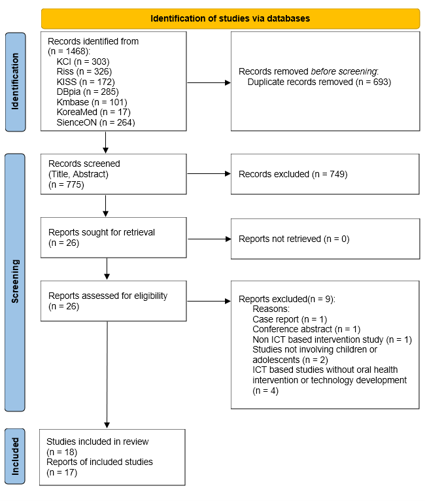
Fig. 1. The PRISMA flow diagram of study selection for scoping review
선정된 17편의 문헌은 Microsoft Excel 프로그램을 사용하여 자료를 추출하고 내용을 정리하였다. 문헌의 기본 정보와 관련하여 저자, 출판 연도, 연구 설계, 연구 목적, 연구 환경을 추출하였고, 연구 대상자 정보와 관련하여 연령, 표본 수를 추출하였다. ICT와 관련하여 ICT 기술 유형과 주요 기능을 추출하였으며, 주요 결과를 파악하기 위해 평가지표, ICT 중재의 효과성, 기술의 타당성 수치를 추출하였다.
총 17편의 문헌(18개 연구)에 대한 연구 동향 및 주요 결과는 <Table 1>과 같다. 연구 설계의 동향을 살펴보면 준실험설계(Quasi-experimental design)가 9편으로 가장 많았고 그 중 3편이 2025년에 수행된 것으로 나타났다. 무작위 대조 시험(Randomized controlled trial, RCT)은 2016년부터 2024년 사이에 총 4편이 진행되었으나 특정 연도에만 편 수가 제한되어 있었다. 기술 개발(Technology development)은 2019년부터 2023년까지 진행되었으나 연도별 연구 수가 일정하지 않았으며 최근 2년 동안은 진행된 연구가 없었다.
표본 수는 중재 연구에서 최소 5명에서 최대 131명까지 규모가 다양했고, 방사선 영상을 분석 단위로 사용한 일부 기술 개발 연구에서는 최대 806개의 파노라마 사진이 포함되어 영상 자료가 활용되고 있음을 확인하였다. 연구 환경은 지역사회 기반인 학교, 가정, 어린이집·유치원과 임상 기반인 치과 병·의원으로 구분되었으며 일부 연구는 혼합된 환경에서 수행되었다.
ICT 기술 유형을 보면 초기(2015년경)에는 IoT와 Digital diagnostics(Q-ray 등)가 주를 이루었으나, 2022년 이후에는 AI를 활용한 우식 진단 및 예측, 증강현실(AR) 기반의 칫솔질 가이드 등 기술적으로 확장되는 추세이다. 평가지표로는 중재 연구에서 치면세균막 지수와 치아우식 지수가 주로 활용되었고, 기술 개발 연구에서는 휴리스틱 평가, 정확도, 민감도, 특이도 등이 활용되었다.
| No. | Author (year) | Publication type | Study type | Research goal (purpose) | Sample size(age) | Study setting | ICT type | ICT functions | Outcome measures | Main outcomes |
|---|---|---|---|---|---|---|---|---|---|---|
| 1 | Lee(2015) | Doctoral dissertation | Quasi-experimental | To evaluate smart toothbrushing monitoring | 85(3-5) | Home & preschool | IoT | Education & Monitoring | Plaque index, dental caries index | Reduction in plaque index (3.24 → 2.11, p<0.001) |
| 2 | Kim et al. (2015) | Journals | Quasi-experimental | To evaluate Q-scan oral health education | 59(6-7) | Preschool | Digital diagnostics | Education & Diagnostics | Plaque index | Reduction in plaque index(12%, p<0.001) |
| 3-1 | Jeong(2016) | Doctoral dissertation | RCT | To evaluate plaque removal and toothbrushing skills | 42(6-12) | Dental clinic | IoT | Monitoring | Plaque index | No significant difference between groups |
| 3-2 | Jeong(2016) | Doctoral dissertation | Quasi-experimental | To evaluate plaque removal and toothbrushing skills | 92(7-12) | Home | IoT | Monitoring | Plaque index | No significant difference between groups |
| 4 | Kim et al. (2017) | Journals | Quasi-experimental | To evaluate oral mucositis incidence and oral self-care performance | 20(8-18) | Hospital | Multimedia | Education | Oral mucositis, performance of self-care | Increase in performance of self-care (F=6.09, p<0.001) |
| 5 | Yeo(2019) | Doctoral dissertation | Quasi-experimental | To evaluate CAMBRA-kids〝based caries management | 119(5-7) | Preschool | Application | Monitoring | Plaque index | Reduction in plaque index (2.62→2.0, p<0.001) |
| 6 | Kang et al.(2019) | Journals | Technology development | To develop CAMBRA-kids for caries risk assessment and management in children | 5(-) | Not reported | Application | Technology development | Algorithm evaluation, usability evaluation, heuristic evaluation | Algorithm accuracy (100%), MARS score (mean: 3.27) |
| 7 | Lee et al.(2019) | Journals | RCT | To evaluate caries risk and plaque changes after oral health education | 54(6-12) | Hospital | Digital diagnostics | Education & Diagnostics | Caries activity, plaque index, caries risk distribution | Reduction in caries activity and caries risk distribution (Group I: 14.37, Group II: 5.66, p=0.022) |
| 8 | Kang(2022) | Master’s thesis | Technology development | To develop O-Smile as an oral care tool | -(≤ 13) | Not reported | IoT | Monitoring | Toothbrushing pressure | No statistical analysis reported |
| 9 | Kim et al. (2022) | Journals | Technology development | To develop and evaluate a model for detecting caries in primary molars | 500(3-8) | Hospital | AI | Diagnostics | Accuracy, sensitivity, specificity, AUC | Accuracy (0.84), sensitivity (0.74), specificity (0.94), AUC (0.86) |
| 10 | Kwak et al.(2023) | Journals | SCED | To evaluate prompting interventions for toothbrushing skills | 3(8) | Home & school | Multimedia | Education | Toothbrushing performance | No statistical analysis reported |
| 11 | Kim(2023) | Master’s thesis | Technology development | To develop and evaluate a deep learning model for detecting missing teeth | 806(8-16) | Hospital | AI | Diagnostics | Accuracy, precision, recall, F1-score, AUC | Accuracy (0.738), precision (0.730), recall (0.732), F1-score (0.731), AUC (0.730) |
| 12 | Park et al.(2023) | Journals | RCT | To evaluate AR-guided toothbrushing for plaque removal efficiency | 20(5-12) | Not reported | AR | Education | Plaque index | Reduction in plaque index (Manual: 20.30→13.35, AR: 22.00→6.35, p<0.001) |
| 13 | Yeo et al.(2024) | Journals | Quasi-experimental | To evaluate CAMBRA-students application use | 113(-) | School | Application | Monitoring | Plaque index, dental caries index, salivary flow rate | Reduction in plaque index (2.56→2.04, p=0.051), changes in caries risk distribution, increase in DMFT (4.84→5.29, p<0.05), salivary flow rate (1.27→1.45, p<0.05) |
| 14 | Han(2024) | Master’s thesis | RCT | To evaluate a dental noise-cancelling application for stress and dental fear | 60(7-16) | Hospital | Application | Psychological support | Visual analysis scale | Reduction in visual analogue scale (2.97→1.17, p<0.001) |
| 15 | Yeo et al.(2025) | Journals | Quasi-experimental | To evaluate ICT-based caries management on caries risk and protective factors | 131(13-14) | School | Application | Monitoring | Plaque index, dental caries index, salivary flow rate, caries risk distribution | No significant change in DMFT rate |
| 16 | Kang et al.(2025) | Journals | Quasi-experimental | To predict caries risk and identify predictive factors using a random forest model | 23(10-14) | School | AI | Prediction | Precision, recall, F1-score, AUC | AUC: intervention (0.957), control (0.997) |
| 17 | Lee (2025) | Journals | Quasi-experimental | To evaluate CAMBRA-students mobile application for caries risk management | 51(11-12) | School | Application | Monitoring | Plaque index, dental caries index, salivary flow rate | No significant change in DMFT rate |
RCT: randomized controlled trial; SCED: single-case experimental design; DMFT: decayed, missing, and filled teeth; ICT: information and communication technology; loT: Internet of things; AI: artificial intelligence; AR: augmented reality; AUC: area under the curve; MARS: mobile app rating scale.
연구 단위 기준으로 최종 선정된 18편 문헌에서 ICT 기반 구강건강 관련 연구의 일반적 특성을 출판 연도, 출판 유형, 연구 설계, 대상자 연령, 대상자 수, 연구 환경으로 구분하여 분석하였다<Table 2>. 연도별 분포에서는 2019년, 2023년, 2025년이 각각 3편(16.7%)으로 가장 많았다. 연구 유형으로는 중재 연구가 14편(77.8%)이었고 이 중 준실험설계가 9편으로 가장 많았다. 기술 개발 연구는 4편(22.2%)이었다. 대상자 연령 분포에서는 혼합연령이 11편(61.1%)으로 가장 많았다. 표본 수는 50명 이하, 51명 이상 100명 이하가 각각 33.3%로 가장 많았다. 연구 환경은 치과·병의원이 6편(33.3%)으로 가장 많았다. 일부 연구에서는 대상자 연령, 표본 수, 연구 환경이 제시되지 않았다.
Table 2. General characteristics of included studies (N=18)
| Variables | Categories | N(%) |
|---|---|---|
| Year | 2015 | 2(11.1%) |
| 2016 | 2(11.1%) | |
| 2017 | 1(5.6%) | |
| 2019 | 3(16.7%) | |
| 2022 | 2(11.1%) | |
| 2023 | 3(16.7%) | |
| 2024 | 2(11.1%) | |
| 2025 | 3(16.7%) | |
| Publication type | Journal | 11(61.1%) |
| Master & Doctoral thesis | 7(38.9%) | |
| Study type | Intervention | 14(77.8%) |
| Development | 4(22.2%) | |
| Age of participants | Preschooler (0-6) | 1(5.6%) |
| School-aged (7-12) | 3(16.7%) | |
| Adolescent (13-18) | 1(5.6%) | |
| Mixed (0-18) | 11(61.1%) | |
| Unclear | 2(11.1%) | |
| Sample size | ≤50 | 6(33.3%) |
| 51-100 | 6(33.3%) | |
| 101-150 | 3(16.7%) | |
| ≥151 | 2(11.1%) | |
| Not applicable | 1(5.6%) | |
| Study setting | Home | 1(5.6%) |
| Preschool | 2(11.1%) | |
| Home & preschool | 1(5.6%) | |
| School | 4(22.2%) | |
| Home & school | 1(5.6%) | |
| Dental clinic & hospital | 6(33.3%) | |
| Unclear | 3(16.7%) |
문헌에서 적용된 ICT 유형을 살펴보면 Application이 33.3%로 가장 많은 비중을 차지하였고, IoT는 22.2%, AI는 16.7% 순으로 나타났다. Multimedia와 Digital diagnostics는 각각 11.1% 였으며, AR은 5.6%로 가장 낮게 나타났다<Fig. 2>.
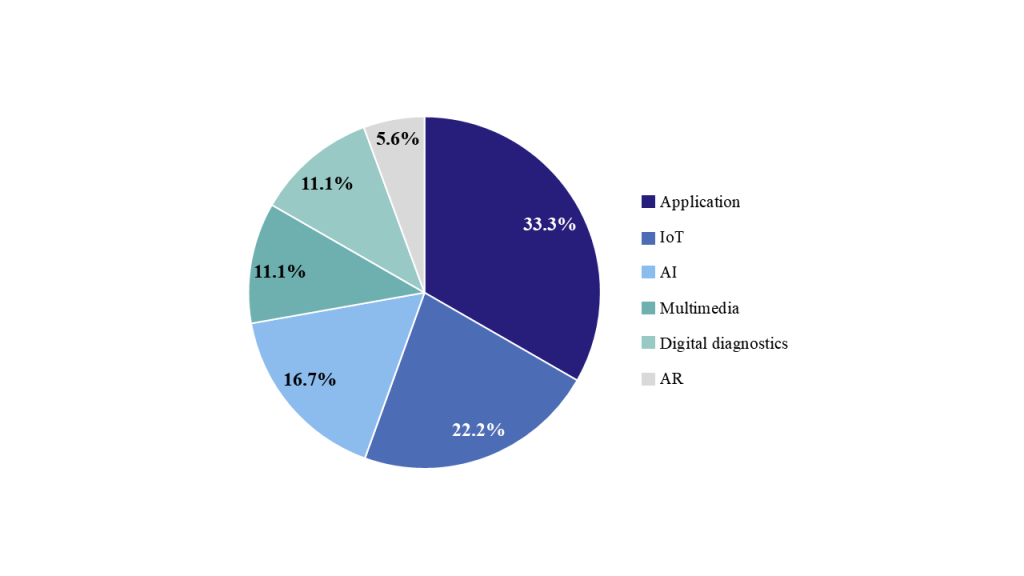
Fig. 2. Distribution of ICT types among the included studies
주요 기능을 살펴보면 모니터링이 38.9%로 가장 높게 나타났고, 교육은 16.7%, 진단, 교육 및 진단이 각각 11.1% 순으로 나타났다. 예측, 기술 개발, 심리적 지원, 교육 및 모니터링은 각각 5.6%의 비율로 나타났다<Fig. 3>.
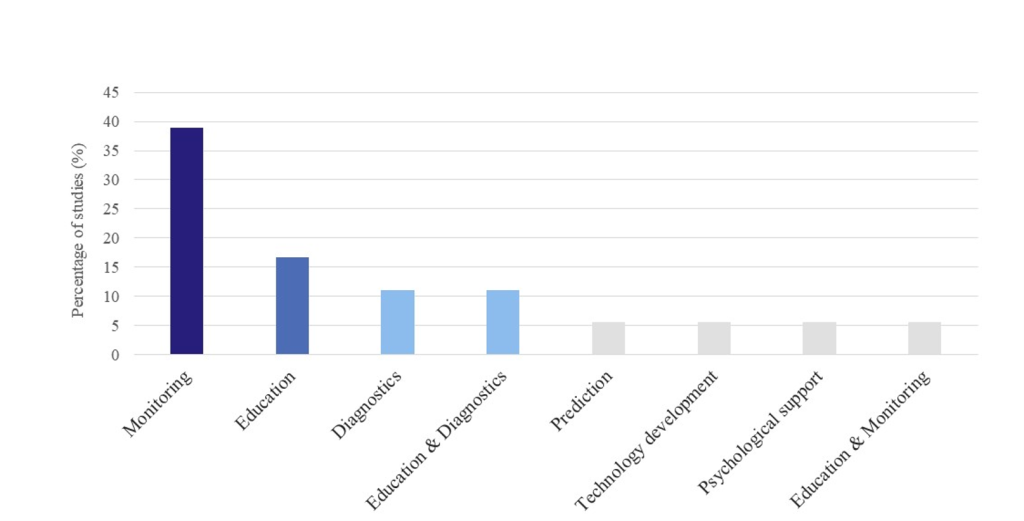
Fig. 3. Distribution of key ICT functions among the included studies
<Fig. 4>는 선정된 문헌에 적용된 ICT 유형과 주요 기능, 그리고 대상자의 연령대별 분포를 통합적으로 파악하기 위해 버블 차트로 매핑한 결과이다. 각 버블의 색상은 대상자 연령대를 의미하며, 버블 내 숫자는 해당 범주에 포함된 연구의 편수를 나타낸다. Application을 활용한 모니터링 연구가 전 연령대에 걸쳐 가장 높은 빈도를 차지하고 있으며, 기술별로는 AI가 주로 진단과 예측 영역에서 활용되고 있는 반면, IoT는 교육과 모니터링 등 다각적인 기능으로 여러 연령대(학령전기 1편, 학령기 아동 1편, 혼합연령 2편)에 적용되고 있음을 보여준다.
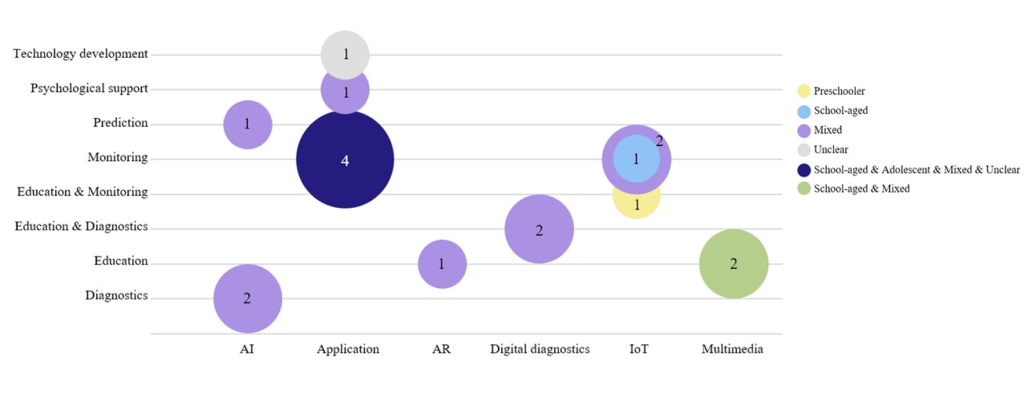
Fig. 4. Mapping of target populations by ICT types and ICT functions
본 연구는 국내 소아·청소년을 대상으로 수행된 ICT 기반 구강건강관리 기술 개발 및 중재 연구의 동향을 스코핑 리뷰 방법으로 분석하여 기술적 특성, 중재 전략, 연구 환경 및 평가지표 등을 확인하였다.
총 17편의 문헌(18개 연구)을 검토한 결과, 연구는 2015–2019년까지 게재된 문헌이 8편, 2022년 이후 게재된 문헌이 10편으로 2022년을 기준으로 활발히 진행되고 있음을 확인하였다. 이는 디지털 기술 기반 구강건강관리 프로그램에 관한 연구 동향을 살펴봤던 Lee 등[18]의 연구에서 2020년부터 연구의 공백이 있었지만, 2024년부터 다시 지속되었던 결과와 유사하였다. 2020–2021년 연구 공백은 코로나19 팬데믹 영향으로 주요 감염 경로인 구강과 관련된 연구 편 수의 감소가 원인이라고 생각된다.
분석 대상 문헌의 연구 유형을 살펴본 결과, 실제적인 중재를 적용한 연구가 14편(77.8%)으로 대다수를 차지하였으며, 이 중 준실험설계 연구가 9편으로 가장 빈번하게 활용되었다. 이는 국내 소아·청소년 구강보건 분야의 ICT 연구가 이론적 설계를 넘어 학교나 치과 병·의원 등 실제 임상 및 지역사회 현장에서의 현장 적용성과 실효성을 검증하는 단계에 집중되어 있음을 시사한다. 간호 분야에서 경도인지장애 노인을 대상으로 ICT 기반 인지 중재 연구의 문헌고찰을 진행한 Suh와 Han[19]의 연구에서도 준실험설계가 가장 많은 것으로 나타났다. 그러나 본 연구에서 RCT 연구 편 수는 4편으로 적었다. 국외에서는 치과 분야 ICT 기반 중재 연구 시 RCT 설계가 활발히 적용되고 있으며[20, 21], RCT는 임상 연구에서 인과 관계를 확립할 수 있는 가장 높은 수준의 근거를 제공하므로 국내에서도 적극적인 활용이 필요하다[22].
대상자의 연령은 학령전기와 청소년기가 각각 1편(5.6%)으로 가장 적었다. 이는 간호 분야의 아동·청소년을 대상으로 문헌고찰을 진행한 Park 등[13] 연구에서 만 19세 미만을 대상으로 하였으나, 학령전기를 대상으로 한 연구가 없었던 결과와 유사하였다. 또한 본 연구에서는 0–18세 사이의 혼합연령 대상이 11편(61.1%)으로 가장 많았는데, 이는 최근 어린이와 청소년을 대상으로 한 ICT 기반의 치아우식증 관련 국외 문헌고찰에서 0–18세의 혼합연령의 연구가 다수 포함되었던 결과와 유사하였다[23]. 특정 연령대보다 혼합연령의 비율이 높았던 원인은 ICT 기반 연구 시 다양한 연령군을 혼합시켜 범용적 효과를 살펴보기 위한 대상자의 선정이었다고 할 수 있다. 그러나 생애주기별 발달 단계에 따라 달라지는 생활습관이나 환경적인 요인 등을 고려한다면[24], 특정 연령대를 구분한 ICT 기반의 구강건강 중재 연구나 기술 개발 연구가 필요하며 특히 연구의 공백이 나타나는 청소년기는 구강 관리 행동이 급격히 변화하는 시기이므로 맞춤형 ICT 연구가 필요하다.
본 연구에서 분석된 ICT 유형은 Application, IoT, AI, Multimedia, Digital diagnostics, AR로 다양하게 나타났으며, 특히 Application이 6편(33.3%)으로 가장 높은 비중을 차지하였다. 이는 Application 기반의 구강기능재활운동 연구를 분석한 Choi 등[25]과 국내외 구강건강 관련 애플리케이션의 현황을 보고한 Jung과 Kim[26]의 연구 결과와도 일맥상통한다. 이처럼 구강보건 분야에서 Application이 주를 이루는 것은, 다른 ICT 기술에 비해 스마트폰을 통한 사용자의 상호작용이 쉬운 점과 스마트 기기 활용에 능숙한 소아·청소년의 접근성이 쉽다는 특성이 반영된 결과로 보여진다.
ICT 기술의 결합 양상을 살펴보면, Application 및 IoT 기술과 모니터링 기능의 조합이 주를 이루었다. 이는 노인 대상의 모니터링 앱을 개발한 Shin 등[27]이나 IoT 기반 교정 장치 모니터링 시스템을 구현한 Jung 등[28]의 선행 연구와 같이, ICT가 구강보건 현장에서 주로 실시간 상태 추적 및 관리 도구로 우선 적용되고 있음을 보여준다. 이러한 결과는 치과위생사가 일률적인 구강보건교육 제공자의 역할을 넘어 개인의 모니터링 결과에 근거한 맞춤형 구강보건교육과 피드백을 제공하는 역할로 나아갈 필요가 있음을 시사한다. 본 연구에서는 일부 유형 및 기능에만 국한되어 있는 결과가 나타났다. 특히 ICT 유형 중 AR 기반 연구는 교육 기능에 제한적으로 나타났으며 연구 수가 전반적으로 부족하였다. 또한 ICT 기능 중 심리적 지원과 기술 개발 연구도 각각 1편만 확인되었다. 이러한 연구의 제한성을 통해 국내 ICT 기반 구강건강 관련 연구가 초기 단계인 것을 확인할 수 있었으며 향후에는 AR, VR, AI 등 고도화된 기술 유형을 다양하게 접목하고, 교육과 모니터링을 넘어 정서적 지지 및 정밀 진단 시스템 구축을 위한 폭넓은 연구가 필요할 것으로 사료된다.
본 연구는 PRISMA-ScR 지침에 따라 수행되었으나, 연구 프로토콜을 OSF(Open Science Framework) 등 공개 플랫폼에 사전 등록하지 않았다. 그러나 문헌 검색, 선정 기준 및 자료 추출 과정을 구체적으로 제시하여 연구의 투명성과 재현성을 확보하고자 하였다. 또한 연구자 2인이 독립적으로 문헌을 선별하고 검증하는 절차를 거쳐 주관적 편향을 최소화하고자 하였다. 국내 문헌만을 포함하여 분석하였기 때문에 국외 소아·청소년 대상 ICT 기반의 구강건강 관련 연구 동향까지는 확인하지 못했다는 제한점이 있다. 향후 연구에서는 국내·외 문헌을 포함하여 분석 범위를 넓혀 연구 동향을 보다 포괄적으로 확인할 필요가 있다. 또한 ICT 분야는 기술 발전과 함께 동일한 개념이 다양한 용어로 표현될 수 있다. 이와 관련하여 ICT 기반 문헌 고찰은 다양한 검색어를 포함하여 최신 근거를 마련하기 위한 지속적인 연구가 필요하다고 생각된다.
그럼에도 불구하고 본 연구는 국내 소아·청소년에 특화된 ICT 기반 구강건강관리 연구 동향을 범위 고찰 방법으로 분석한 최초의 시도라는 점에서 의의가 있다. 특히 개별 연구들을 통합하여 기술 유형과 기능별 매핑 결과를 제시함으로써, 디지털 전환기 구강보건 서비스의 현황을 파악할 수 있었다. 본 연구의 결과는 향후 소아·청소년의 구강건강 증진을 위한 ICT 중재 모델 개발과 근거 기반의 전략 수립을 위한 기초 자료로 유용하게 활용될 수 있을 것으로 기대된다.
본 연구는 국내 소아·청소년을 대상으로 ICT 기반 구강건강 관련 국내 연구 문헌에 대한 스코핑 리뷰를 통해 연구의 동향을 파악하고 기술 개발 및 중재 연구의 동향을 체계적으로 검토한 결과는 다음과 같다.
1. 2019년 이후 ICT 관련 연구가 점차 증가하고 있으며, 연구 설계 측면에서는 기술 개발(22.2%)보다 중재 연구(77.8%)가 주를 이루고 있었다. 특히 준실험설계 연구(9편)의 높은 비중은 ICT 도구의 임상적 실효성을 반영하고 있음을 확인하였다.
2. 연구대상 측면에서는 혼합연령 대상 연구가 11편으로 가장 많았으며, 대상 연령이 특정 구간에 편중되거나 혼합되어 있음을 확인하였다. 또한 연구 환경은 치과 병·의원 중심의 연구(6편)가 가장 활발하였다.
3. ICT 유형 및 기능은 Application (6편)과 Monitoring (7편)에 집중되어 있었다. AI, AR 등 고도화된 기술 도입이 시작되었으나, 교육과 진단에서 일부 수행된 것으로 파악되었다.
이러한 결과로 볼 때, 평생 구강건강 습관을 형성하는 중요한 시기인 소아·청소년을 대상으로 한 ICT 기반의 연구가 다양하게 이루어져야 하며, 특히 연구의 공백으로 확인된 청소년기 특화 중재 및 정서적 지지 기반의 ICT 기술 개발을 위해 정부 차원의 연구 지원과 제도적 기반 마련이 동반되어야 할 것으로 사료된다.
Conceptualization: SY LEE, SG KIM; Methodology: SY LEE, SG KIM; Validation: SY LEE, SG KIM; Data curation: SG KIM; Formal analysis: SG KIM; Writing – original draft: SG KIM; Writing – review & editing: SY LEE, SG KIM
The authors declared no conflicts of interest.
None.
This was not a human population study; therefore, institutional review board approval and informed consent were not required.
The data supporting the findings of this study are available from the corresponding author upon reasonable request.
None.
1. Korea Health Promotion Institute. Health plan 2030 [Internet]. [cited 2026 Mar 23]. Available from: https://www.khepi.or.kr/board?menuId=MENU01425&siteId=null
2. Korea Disease Control and Prevention Agency. Korea national children’s oral health survey in 2024 [Internet]. Korean Statistical Information Service [cited 2026 Mar 23]. Available from: https://kosis.kr/statHtml/statHtml.do?orgId=177&tblId=DT_117051_24_013&conn_path=I2
3. Jeong MA, Ha JE, Kim MJ. Comparison on dental anxiety according to the type of oral health education. J Korea Contents Assoc 2016;16(5):96-103. https://doi.org/10.5392/JKCA.2016.16.05.096
[DOI]
4. Noh EM. The effects of activity sheet-based oral health education on oral health knowledge and behavior in lower-grade elementary school students. J Korean Acad Dent Adm 2025;13(2):99-107. https://doi.org/10.22671/JKADA.2025.13.2.99
[DOI]
5. Kim YS, Lim SR. Evaluation of an oral health education program for elementary school students based on motivational interviews. J Dent Hyg Sci 2025;25(1):31-41. https://doi.org/10.17135/jdhs.2025.25.1.31
[DOI]
6. Mun WS, Hwang TY, Lee KS. Development and evaluation of oral health education program using computer assisted instruction for elementary school children. J Korean Soc Dent Hyg 2014;14(3):417-24. https://doi.org/10.13065/jksdh.2014.14.03.417
[DOI]
7. Cho MJ, Park JK. Effect of sonic electric and manual toothbrush use on dental plaque reduction and brushing habit changes in lower-grade elementary school children. Korean Public Health Res 2025;51(3):1-12. https://doi.org/10.22900/kphr.2025.51.3.001
[DOI]
8. Lee HN, Kim JH. The effect of inter dental brush education on the dental plaque index and the degree of halitosis for elementary school students. J Korean Biol Nurs Sci 2014;16(1):8-16. https://doi.org/10.7586/jkbns.2014.16.1.8
[DOI]
9. Yeo AN, Lee SY. A systematic review of domestic oral health care programs for elementary school children. J Korean Soc Dent Hyg 2020;20(3):257-68. https://doi.org/10.13065/jksdh.20200024
[DOI]
10. Kim JK, Suh DH, Lee SG, Nam SU, Kyung HK, Lee SG, et al. The acceleration of digital transformation in industries and new growth strategies for ICT industries. Sejong: Korea Institute for Industrial Economics and Trade; 2021: 17-53.
11. Lee BH, Jung JH, Yu JH, Park DS. The effect of augmented reality-based exercise program on ankle strength and gait ability in children with spastic cerebral palsy. J Spec Educ Rehabil Sci 2011;50(4):437-55.
12. Lee WK, Jung CK, Lee BK, Yoon PK. The effect of mobile-based self-health management program on adherence, health fitness in elementary school students. Korean J Elem Phys Educ 2015;20(4):161-71.
13. Park JY, Bae JK, Won SH. A scoping review of information and communication technology (ICT)-based health-related intervention studies for children and adolescents in South Korea. J Korean Public Health Nurs 2023;37(1):5-24. https://doi.org/10.5932/JKPHN.2023.37.1.5
[DOI]
14. Lee SO. Effects of toothbrushing education by a smart toothbrush system on the dental health of preschool children [Doctoral dissertation]. Iksan: Wonkwang University, 2015.
15. Lee SY. Clinical effectiveness of a caries management application in improving oral health of elementary school students. J Korean Soc Integr Med 2025;13(1):101-8. https://doi.org/10.15268/ksim.2025.13.1.101
[DOI]
16. Lee JS, Kim S, Jeong TS, Shin JH, Lee EG, Kim JY. Effectiveness of oral health education program using home-using portable device for children. J Korean Acad Pediatr Dent 2019;46(3):301-9. https://doi.org/10.5933/JKAPD.2019.46.3.301
[DOI]
17. Arksey H, O’Malley L. Scoping studies: towards a methodological framework. Int J Soc Res Methodol 2005;8(1):19-32. https://doi.org/10.1080/1364557032000119616
[DOI]
18. Lee JH, Lee HJ, Jang BM. Analysis of trends in digital technology-based oral health care programs: focusing on VR, AR and application. J Korean Soc Oral Health Sci 2025;13(3):69-75. https://doi.org/10.33615/jkohs.2025.13.3.69
[DOI]
19. Suh YJ, Han EK. An integrative review of ICT-based cognitive intervention for older adults with mild cognitive impairment in Korea. J Korean Soc Integr Med 2024;12(4):49-60. https://doi.org/10.15268/ksim.2024.12.4.049
[DOI]
20. Fernández CE, Maturana CA, Coloma SI, Carrasco-Labra A, Giacaman RA. Teledentistry and mHealth for promotion and prevention of oral health: a systematic review and meta-analysis. J Dent Res 2021;100(9):914-27. https://doi.org/10.1177/00220345211003828
[DOI][PubMed]
21. Väyrynen E, Hakola S, Keski-Salmi A, Jämsä H, Vainionpää R, Karki S. The use of patient-oriented mobile phone apps in oral health: scoping review. JMIR Mhealth Uhealth 2023;11:e46143. https://doi.org/10.2196/46143
[DOI][PubMed][PMC]
22. Zabor EC, Kaizer AM, Hobbs BP. Randomized controlled trials. Chest 2020;158:S79-87. https://doi.org/10.1016/j.chest.2020.03.013
[DOI][PubMed][PMC]
23. Aldowsari MK. Teledentistry for dental caries screening and preventive care in children and adolescents: a global scoping review. J Clin Pediatr Dent 2026;50(2):1-13. https://doi.org/10.22514/jocpd.2026.030
[DOI]
24. Kim JY, Lee JY, Yang SY, Kim HK. Core contents for digital healthcare services across the life span. Korean J Health Educ Promot 2023;40(4):33-43. https://doi.org/10.14367/kjhep.2023.40.4.33
[DOI]
25. Choi YK, Yun JH, Park HA, Cha EK. A study on the status of contents related to oral functional rehabilitation exercise based on application. J Korean Soc Oral Health Sci 2022;10(4):55-61. https://doi.org/10.33615/jkohs.2022.10.4.55
[DOI]
26. Jung JY, Kim SH. Analysis of oral health-related smartphone applications. J Korean Soc Dent Hyg 2019;19(4):493-502. https://doi.org/10.13065/jksdh.20190044
[DOI]
27. Shin HS, Lee SP, Park Y, Yim YB, Han DH. Designing a user-centered mobile health application to empower older adults in managing oral health lifestyle. J Korean Acad Oral Health 2025;49(4):205-11. https://doi.org/10.11149/jkaoh.2025.49.4.205
[DOI]
28. Jung MS, Kim J, Kim DH, Park YH. Design and implementation of a smart orthodontic management system using smart face masks for orthodontics. J Korea Inst Inf Commun Eng 2024;28(1):97-105. https://doi.org/10.6109/jkiice.2024.28.1.97
[DOI]
1. Lee SO. Effects of toothbrushing education by a smart toothbrush system on the dental health of preschool children [Doctoral dissertation]. Iksan: Wonkwang University, 2015.
2. Kim NY, Lee SY. Effect of oral health education with Q-scan in preschool children. J Dent Hyg Sci 2015;15(6):696-702. https://doi.org/10.17135/jdhs.2015.15.6.696
[DOI]
3. Jeong JS. Efficacy of using 3D motion tracking toothbrush in dental plaque control [Doctoral dissertation]. Seoul: Yonsei University, 2015.
4. Kim YH, Lee HJ, Jung MJ, Jung HY. The effects of flash animation facilitated oral self care education on the incidence of oral mucositis and performance of self-care in pediatric cancer patients undergoing chemotherapy. J Korean Soc Matern Child Health 2017;21(2):130-8. https://doi.org/10.21896/jksmch.2017.21.2.130
[DOI]
5. Yeo AN. Effect of caries management using CAMBRA-kids mobile application for preschoolers [Doctoral dissertation]. Cheonan: Namseoul University, 2019.
6. Kang YM, Lee SY. Heuristics evaluation and development of the Caries Management by Risk Assessment (CAMBRA)-kids application for caries management of preschoolers. J Korean Soc Dent Hyg 2019;19(4):479-92. https://doi.org/10.13065/jksdh.20190043
[DOI]
7. Lee JS, Kim S, Jeong TS, Shin JH, Lee EG, Kim JY. Effectiveness of oral health education program using home-using portable device for children. J Korean Acad Pediatr Dent 2019;46(3):301-9. https://doi.org/10.5933/JKAPD.2019.46.3.301
[DOI]
8. Kang CS. O-smile: children’s smart toothbrush based on child-centered design [Master’s thesis]. Seoul: Kookmin University, 2022.
[DOI]
9. Kim H, Song JS, Shin TJ, Hyun HK, Kim JW, Jang KT, et al. Detection of proximal caries lesions with deep learning algorithm. J Korean Acad Pediatr Dent 2022;49(2):131-9. https://doi.org/10.5933/JKAPD.2022.49.2.131
[DOI]
10. Kwak YE, Jung S. The effects of video prompting and least-to-most prompting on toothbrushing skills of elementary school students with developmental disabilities. J Intellect Disabil 2023;25(3):137-60. https://doi.org/10.35361/KJID.25.3.6
[DOI]
11. Kim EJ. Diagnosis of missing teeth using deep learning on panoramic radiographs of children and adolescents [Master’s thesis]. Busan: Pusan National University, 2023.
12. Park MJ, Jang SB, Lee JY. Dental plaque removal efficiency of a smart toothbrush based on augmented reality in children. J Korean Soc Dent Hyg 2023;23(1):33-42. https://doi.org/10.13065/jksdh.20230004
[DOI]
13. Yeo AN, Kang YM, Kim SG, Lee SY. The effect of using the CAMBRA mobile application on dental caries management in children and adolescents. J Korean Soc Dent Hyg 2024;24(4):281-9. https://doi.org/10.13065/jksdh.20240402
[DOI]
14. Han SK. A study on the effectiveness of dental sound insulation application in pediatric patients [Master’s thesis]. Seoul: Yonsei University, 2024.
15. Yeo AN, Kang YM, Lee SY. Changes in dental caries risk among middle school students using an ICT-based caries management program. J Dent Hyg Sci 2025;25(1):42-50. https://doi.org/10.17135/jdhs.2025.25.1.42
[DOI]
16. Kang YM, Yeo AN, Lee SY. Analysis of predictive factors for dental caries risk among adolescents using the random forest algorithm. J Korean Soc Dent Hyg 2025;25(4):323-33. https://doi.org/10.13065/jksdh.2025.25.4.5
[DOI]
17. Lee SY. Clinical effectiveness of a caries management application in improving oral health of elementary school students. J Korean Soc Integr Med 2025;13(1):101-8. https://doi.org/10.15268/ksim.2025.13.1.101
[DOI]
소아 OR 어린이 OR 청소년 OR 학생 OR 영유아 OR 미취학 OR 초등학생 OR 중학생 OR 고등학생
AND
ICT OR IT OR 디지털 OR 스마트 OR 모바일 OR 애플리케이션 OR 앱 OR 웹 OR 온라인 OR 가상현실 OR VR OR 증강현실 OR AR OR 메타버스 OR 게임화 OR 인공지능 OR AI OR 챗봇 OR 웨어러블 OR 스마트 칫솔 OR 개발 OR 진단 OR 탐지 OR 알고리즘 OR 설계 OR 구축 OR 모니터링 OR 프로토타입 OR 사용성 OR 구현
AND
구강 OR 구강보건 OR 치아 OR 칫솔질 OR 양치 OR 구강교육 OR 치면세균막 OR 치아우식증 OR 충치 OR 예방치과