Journal of Korean Society of Dental Hygiene Open access, Peer Reviewed
pISSN 2287-1705, eISSN 2288-2294
Weeks in Review
Weeks to Publication
Journal of Korean Society of Dental Hygiene Open access, Peer Reviewed
pISSN 2287-1705, eISSN 2288-2294
Min-Hee Hong1 , Jung-Min Lee2
1Department of Dental Hygiene, Division of Health Science, Baekseok University
2Korea Foundation of Industrial Health Care and Welfare
Correspondence to Min-Hee Hong, Department of Dental Hygiene, Division of Health Science, Baekseok University, 1 Baekseokdaehakro, Dongnam-gu, Cheonan-si, 31065, Korea. Tel: +82-41-550-0812, Fax: +82-41-550-9146, E-mail: mini8265@bu.ac.kr
Volume 26, Number 4, Pages 533–43, August 2026.
J Korean Soc Dent Hyg 2026;26(4):533–43. https://doi.org/10.13065/jksdh.2026.26.4.12
Received on July 06, 2026, Revised on July 27, 2026, Accepted on August 09, 2026, Published on August 30, 2026.
Copyright © 2026 Journal of Korean Society of Dental Hygiene.
This is an Open Access article distributed under the terms of the Creative Commons Attribution Non-Commercial License(http://creativecommons.org/licenses/by-nc/4.0).

Dental care accessibility, Korea Community Health Survey, Oral health, Unmet dental care needs, Workers
치과 미충족의료는 치과진료가 필요하였음에도 경제적 부담, 시간적 제약, 의료기관 접근성 부족 및 치과진료에 대한 두려움 등의 이유로 필요한 치과의료서비스를 이용하지 못한 상태를 의미한다[1–3]. 미충족 의료는 의료서비스 접근성과 건강보장제도의 적절성을 평가하는 주요 지표이며[1], 치과의료는 일반 의료서비스보다 본인부담금과 비급여 항목의 비중이 커 의료이용 장벽이 높은 것으로 알려져 있다[2,4,5]. 실제로 우리나라 성인의 치과 미충족률은 일반 병의원 미충족률보다 높게 보고되어 치과의료 접근성의 취약성을 보여주고 있다[2,5–7].
구강건강은 저작, 발음, 대인관계 및 삶의 질과 밀접하게 관련된다[8,9]. 구강질환은 조기에 발견하고 치료할 경우 악화를 예방할 수 있으나, 치료가 지연되면 치통, 저작불편 및 치아상실로 이어져 치료비 부담이 증가할 수 있다[2,8,10]. 특히 주관적 구강건강이 좋지 않거나 저작불편을 경험하는 대상자는 치과진료 필요성이 높음에도 의료이용을 지연하거나 포기할 가능성이 있다[2,8,11]. 선행연구에서도 주관적 구강건강이 불건강하고 저작불편이 있는 경우 치과 미충족의료 경험 가능성이 높았으며, 구강검진과 예방적 치과의료 이용은 치과 미충족의료와 관련된 요인으로 보고되었다[2,8,12–14]. 이러한 결과는 구강질환의 임상적 필요가 높더라도 치과의료 접근성의 장벽으로 인해 적절한 치료로 연결되지 못할 수 있음을 보여준다.
치과 미충족의료는 구강건강 상태뿐 아니라 성별, 연령, 소득수준, 고용형태, 건강행태, 정신건강 및 의료이용 환경과 복합적으로 관련된다[3–5,10,15]. 의료접근성 모형에 따르면 의료이용은 의료필요의 인지, 의료추구, 의료기관 도달, 의료이용 및 의료필요 충족의 과정을 거친다[16]. 이러한 관점에서 주관적 구강건강과 저작불편은 치과진료 필요의 인지와 관련되고, 스트레스와 우울감은 진료를 추구하고 결정하는 과정에 영향을 미칠 수 있다. 또한 가구소득은 진료비 지불 가능성, 직업과 종사상 지위는 진료시간 확보와 의료기관 방문 가능성, 구강검진 수진 여부는 예방적 치과의료 이용 경험을 반영할 수 있다[3,4,10,12,14–16]. 따라서 치과 미충족의료를 파악하기 위해서는 개인의 구강건강 상태뿐 아니라 사회경제적 특성과 의료이용을 제한하는 다양한 요인을 함께 고려할 필요가 있다.
근로자는 직업 특성, 근무시간, 고용형태 및 소득수준에 따라 의료서비스 이용에 제약을 경험할 수 있다[4,15]. 특히 치과진료는 예약과 반복 방문이 필요한 경우가 많아 근무시간과 진료시간의 불일치, 휴가 사용의 어려움 및 치료비 부담이 치과 미충족의료로 이어질 수 있다[4,15,17]. 선행연구에서는 고용형태와 종사상 지위, 가구소득이 미충족 의료 및 치과 미충족의료와 관련된 요인으로 보고되었다[4,10,15,18]. 또한 최근 연구에서는 개인의 사회경제적 특성뿐 아니라 지역의 빈곤 수준, 사회적 자본 및 치과의료자원도 치과 미충족의료와 관련될 수 있음이 제시되었다[19–21]. 근로자의 의료이용은 개인의 건강관리 의지만으로 설명하기 어려우며, 근로환경과 지역의 의료자원 등 구조적인 접근성 여건의 영향을 함께 받을 수 있다.
그동안 국내에서는 성인, 청소년, 고령층 및 치과치료 필요자를 대상으로 치과 미충족의료 관련 요인을 분석한 연구가 수행되어 왔다[2,5,8,9,11,12,22,23]. 그러나 근로자를 대상으로 일반적 특성, 건강행태, 건강상태, 정신건강 및 구강건강 요인을 포괄적으로 고려한 연구는 상대적으로 제한적이다. 지역사회건강조사는 전국 시·군·구 단위의 대규모 표본을 기반으로 직업분류와 종사상 지위를 비롯한 다양한 건강 관련 요인을 동일한 조사체계에서 파악할 수 있다는 강점이 있다[24]. 또한 복합표본설계를 반영함으로써 근로자 집단의 치과 미충족의료 관련 특성을 보다 대표성 있게 파악할 수 있다. 이에 본 연구는 2025년 지역사회건강조사 자료를 이용하여 근로자의 일반적 특성, 건강행태, 건강상태, 정신건강 및 구강건강 특성에 따른 치과 미충족의료 경험의 차이를 확인하고 관련 요인을 파악하고자 하였다. 이를 통해 근로자의 치과의료 접근성 향상과 직장 기반 구강건강관리 전략 마련을 위한 기초자료를 제공하고자 한다.
본 연구는 질병관리청에서 수행한 2025년 지역사회건강조사(Korea Community Health Survey) 원시자료를 이용한 이차자료 분석 연구이다[24]. 지역사회건강조사는 「지역보건법」 제4조 및 동법 시행령 제2조에 근거하여 실시되는 통계청 승인 자료로, 통계작성승인번호는 제117075호이다. 이 조사는 지역보건의료계획의 수립 및 평가에 필요한 지역건강통계를 생산하기 위하여 매년 전국 보건소에서 실시되고 있다. 2025년 지역사회건강조사는 2025년 5월 16일부터 7월 31일까지 훈련된 조사원이 표본가구를 직접 방문하여 1:1 면접조사 방식으로 실시되었다. 2025년 지역사회건강조사 전체 조사대상자는 231,615명이었다. 본 연구에서는 이 중 최근 1주일 동안 수입을 목적으로 1시간 이상 일하였거나 18시간 이상 무급가족종사자로 일한 경험이 있다고 응답한 대상자를 근로자로 정의하였다. 근로자 149,546명 중 치과 미충족의료 경험 분석을 위해 최근 1년간 치과진료 필요 여부에 응답한 대상자를 선별하였다. 이 가운데 치과진료가 필요한 적이 없다고 응답한 대상자와 치과 미충족의료 문항에 응답거부 또는 모름으로 응답한 대상자를 제외하여 최종 126,954명을 연구대상자로 선정하였다. 독립변수의 응답거부, 모름 및 무응답은 별도 범주로 포함하지 않고 해당 변수의 결측값으로 처리하였으며, 이에 따라 일부 변수에서는 전체 연구대상자 수와 변수별 유효 분석대상자 수에 차이가 있었다. 분석대상자 선정 과정은 Fig. 1과 같다.
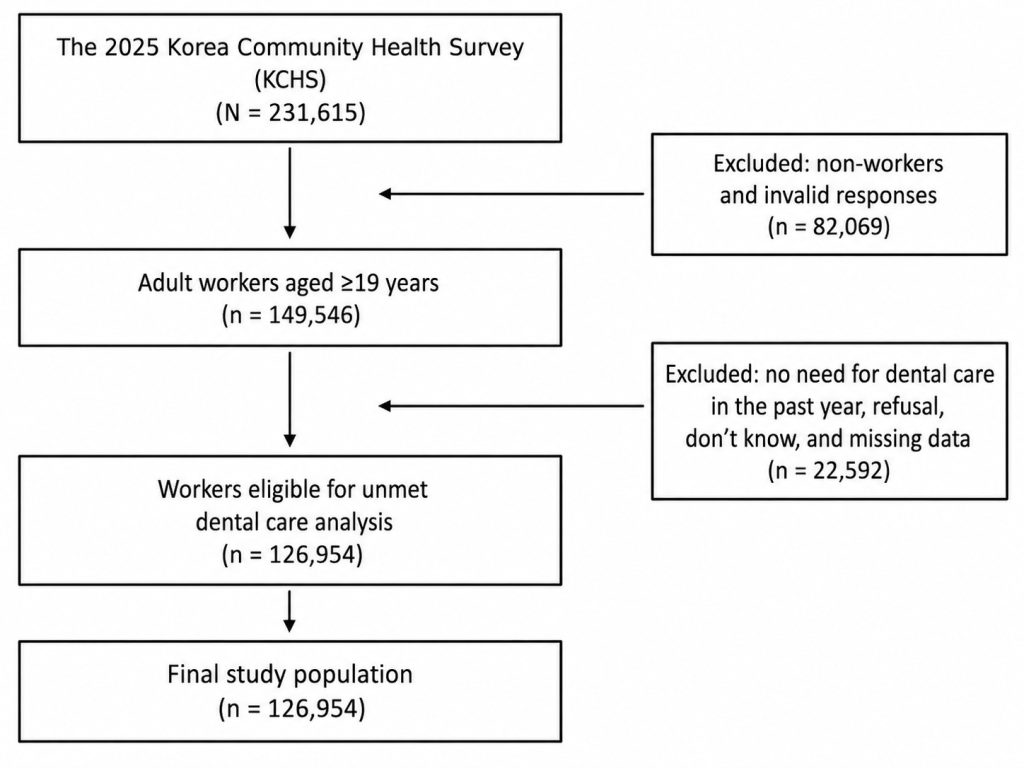
Fig. 1. Flow chart of participant selection
종속변수는 치과 미충족의료 경험 여부이다. 치과 미충족의료 경험은 “최근 1년 동안 치과진료가 필요하였으나 진료를 받지 못한 적이 있습니까?”라는 문항을 이용하였다[24]. 응답 중 ‘예’는 치과 미충족의료 경험 있음, ‘아니오’는 치과 미충족의료 경험 없음으로 분류하였으며, ‘치과진료가 필요한 적 없음’, 응답거부 및 모름은 분석에서 제외하였다. 독립변수는 일반적 특성, 건강행태 특성, 건강상태 특성, 정신건강 특성 및 구강건강 특성으로 구성하였다. 변수의 범주화는 2025년 지역사회건강조사 원시자료 이용지침서와 근로자를 대상으로 한 선행연구를 참고하였다[10,15,24].
일반적 특성은 성별, 연령, 직업분류, 종사상 지위, 교육수준, 결혼상태 및 가구소득을 포함하였다. 성별은 남성과 여성으로 구분하였고, 연령은 19–39세, 40–49세, 50–59세 및 60세 이상으로 분류하였다. 직업분류는 지역사회건강조사의 원자료 분류를 바탕으로 관리자, 전문가 및 관련 종사자와 군인을 전문직으로, 사무종사자를 사무직으로, 서비스종사자와 판매종사자를 서비스·판매직으로, 농림어업 숙련종사자를 농림어업직으로, 기능원 및 관련 기능종사자, 장치·기계조작 및 조립종사자와 단순노무종사자를 생산직으로 재분류하였다. 교육수준은 최종학력을 기준으로 고등학교 졸업 이하와 전문대학 졸업 이상으로 구분하였고, 가구소득은 원시자료에서 제공하는 소득수준에 따라 상, 중상, 중하 및 하로 분류하였다[24]. 결혼상태는 미혼 및 기타와 기혼으로 구분하였다. 건강행태 특성은 흡연, 폭음 및 걷기 실천 여부를 포함하였다. 흡연과 폭음은 지역사회건강조사의 현재 흡연 및 고위험 음주 기준에 따라 예와 아니오로 구분하였으며, 걷기 실천은 최근 1주일 동안의 걷기 실천 기준 충족 여부에 따라 분류하였다[24]. 건강상태 특성은 주관적 건강수준과 비만을 포함하였다. 주관적 건강수준은 ‘매우 좋음’과 ‘좋음’을 좋음, ‘보통’을 보통, ‘나쁨’과 ‘매우 나쁨’을 나쁨으로 재분류하였다. 비만은 체질량지수를 기준으로 비비만과 비만으로 구분하였다[24]. 정신건강 특성은 스트레스 인지와 우울감 경험으로 구성하였다. 스트레스 인지는 ‘대단히 많이 느낀다’와 ‘많이 느끼는 편이다’를 높음, ‘조금 느끼는 편이다’와 ‘거의 느끼지 않는다’를 낮음으로 구분하였다. 우울감 경험은 최근 1년 동안 2주 이상 일상생활에 지장이 있을 정도로 슬프거나 절망감을 경험한 여부에 따라 예와 아니오로 분류하였다[24]. 구강건강 특성은 주관적 구강건강, 저작불편 및 구강검진 수진 여부를 포함하였다. 주관적 구강건강은 건강, 보통 및 불건강으로 분류하였고, 저작불편은 불편하지 않음, 보통 및 불편으로 재분류하였다. 구강검진 수진 여부는 최근 1년 동안 구강검진을 받은 경험 여부에 따라 예와 아니오로 구분하였다[24].
본 연구의 자료는 SPSS (ver. 29.0; IBM Corp., Armonk, NY, USA)를 이용하여 분석하였다. 모든 분석에는 kstrata를 층화변수, SPOTNO를 일차추출단위, wtp를 개인가중치로 지정한 복합표본설계를 적용하였다. 연구대상자의 일반적 특성, 건강행태 특성, 건강상태 특성, 정신건강 특성 및 구강건강 특성은 복합표본 빈도분석을 이용하여 가중되지 않은 빈도와 가중 백분율로 제시하였다. 일반적 특성, 건강행태 특성, 건강상태 특성, 정신건강 특성 및 구강건강 특성에 따른 치과 미충족의료 경험의 차이는 복합표본 교차분석을 시행하였다. 근로자의 치과 미충족의료 경험 관련 요인을 확인하기 위하여 모든 독립변수를 동시에 투입한 복합표본 다중 로지스틱 회귀분석을 실시하였다. 회귀모형에 포함된 모든 변수에 유효한 응답을 가진 대상자를 분석하였으며, 분석 결과는 보정 오즈비(adjusted odds ratio, aOR)와 95% 신뢰구간으로 제시하였다. 통계적 유의수준은 0.05로 설정하였다.
연구대상자의 일반적 특성 및 건강 관련 특성은 Table 1과 같다. 성별은 남성 55.8%, 여성 44.2%였으며, 연령은 19–39세 30.5%, 40–49세 21.8%, 50–59세 24.7%, 60세 이상 23.0%로 나타났다. 직업분류는 생산직이 29.0%로 가장 많았고, 전문직 25.3%, 서비스·판매직 21.1%, 사무직 20.6%, 농림어업직 4.0% 순이었다. 종사상 지위는 임금근로자가 76.3%로 가장 많았으며, 고용주 및 자영업자는 21.8%, 무급가족종사자는 1.9%였다. 교육수준은 전문대졸 이상이 61.4%, 고졸 이하가 38.6%였으며, 결혼상태는 기혼 64.3%, 미혼 및 기타 35.7%로 나타났다. 가구소득은 중하 28.8%, 하 27.3%, 상 24.9%, 중상 19.0% 순이었다. 건강행태 특성에서 흡연자는 19.3%, 비흡연자는 80.7%였으며, 폭음군은 35.9%, 비폭음군은 64.1%였다. 걷기 실천자는 55.2%, 걷기 미실천자는 44.8%로 나타났다. 주관적 건강수준은 좋음 48.0%, 보통 43.5%, 나쁨 8.5%였고, 비만군은 34.8%, 비비만군은 65.2%였다. 정신건강 특성에서 스트레스가 높은 집단은 24.5%, 낮은 집단은 75.5%였으며, 우울감 경험이 있는 대상자는 5.3%였다. 구강건강 특성에서 주관적 구강건강은 건강 32.8%, 보통 45.7%, 불건강 21.5%였고, 저작불편은 불편하지 않음 76.8%, 보통 13.1%, 불편 10.2%로 나타났다. 구강검진을 받은 대상자는 65.9%, 받지 않은 대상자는 34.1%였다.
Table 1. General characteristics, health behaviors, health status, mental health, and oral health factors [Unit: unweighted N (weighted %)]
| Variable | Category | N | % |
|---|---|---|---|
| Sex | Male | 65,809 | 55.8 |
| Female | 61,145 | 44.2 | |
| Age (yrs) | 19-39 | 25,542 | 30.5 |
| 40-49 | 21,913 | 21.8 | |
| 50-59 | 29,913 | 24.7 | |
| ≥60 | 49,586 | 23.0 | |
| Occupation | Professional | 23,911 | 25.3 |
| Office worker | 19,246 | 20.6 | |
| Service & sales | 26,279 | 21.1 | |
| Agriculture/fishery | 17,302 | 4.0 | |
| Production | 40,199 | 29.0 | |
| Employment status | Wage worker | 85,884 | 76.3 |
| Employer/self-employed | 35,050 | 21.8 | |
| Unpaid family worker | 5,999 | 1.9 | |
| Education | ≤High school | 66,889 | 38.6 |
| ≥College | 60,000 | 61.4 | |
| Marital status | Single/other | 42,086 | 35.7 |
| Married | 84,857 | 64.3 | |
| Household income | High | 18,656 | 24.9 |
| Upper-middle | 15,845 | 19.0 | |
| Lower-middle | 27,668 | 28.8 | |
| Low | 39,870 | 27.3 | |
| Smoking | No | 103,990 | 80.7 |
| Yes | 22,955 | 19.3 | |
| Variable | Category | N | % |
| Binge drinking | No | 87,680 | 64.1 |
| Yes | 39,265 | 35.9 | |
| Walking practice | Yes | 64,683 | 55.2 |
| No | 62,257 | 44.8 | |
| Subjective health | Good | 54,675 | 48.0 |
| Fair | 56,498 | 43.5 | |
| Poor | 15,780 | 8.5 | |
| Obesity | Non-obese | 83,201 | 65.2 |
| Obese | 43,100 | 34.8 | |
| Stress | Low | 99,324 | 75.5 |
| High | 27,622 | 24.5 | |
| Depression | No | 120,579 | 94.7 |
| Yes | 6,369 | 5.3 | |
| Subjective oral health | Healthy | 38,258 | 32.8 |
| Fair | 55,709 | 45.7 | |
| Poor | 32,987 | 21.5 | |
| Chewing discomfort | No discomfort | 91,548 | 76.8 |
| Fair | 17,347 | 13.1 | |
| Discomfort | 18,055 | 10.2 | |
| Oral examination | Yes | 77,758 | 65.9 |
| No | 49,162 | 34.1 |
근로자의 일반적 특성, 건강행태, 건강상태, 정신건강 및 구강건강 특성에 따른 치과 미충족의료 경험의 차이는 Table 2와 같다. 복합표본 교차분석 결과, 성별, 연령, 직업분류, 종사상 지위, 교육수준, 결혼상태, 가구소득, 흡연, 폭음, 걷기 실천, 주관적 건강수준, 비만, 스트레스, 우울감 경험, 주관적 구강건강, 저작불편 및 구강검진 수진 여부는 치과 미충족의료 경험과 유의한 관련성을 보였다. 일반적 특성에서 성별에 따른 치과 미충족의료 경험률은 여성 13.4%, 남성 12.5%로 여성에서 높게 나타났다(F=11.660, p<0.001). 연령에 따른 차이도 유의하였으며(F=20.870, p<0.001), 40–49세와 50–59세에서 각각 13.9%로 높게 나타났고, 19–39세 12.1%, 60세 이상 12.0% 순이었다. 직업분류에서는 생산직 15.1%, 서비스·판매직 14.0%, 농림어업직 13.5%, 전문직 11.0%, 사무직 10.9% 순으로 나타났으며, 직업분류에 따른 차이는 통계적으로 유의하였다(F=54.445, p<0.001). 종사상 지위에 따른 치과 미충족의료 경험률은 고용주 및 자영업자 13.6%, 무급가족종사자 13.2%, 임금근로자 12.7% 순으로 나타났으며 유의한 차이를 보였다(F=4.630, p=0.010). 교육수준에서는 고졸 이하 14.9%, 전문대졸 이상 11.6%로 고졸 이하 집단에서 치과 미충족의료 경험률이 높았다(F=171.895, p<0.001). 결혼상태에서는 미혼 및 기타 13.9%, 기혼 12.4%로 미혼 및 기타 집단에서 높게 나타났다(F=33.244, p<0.001). 가구소득은 하 14.9%, 중하 13.4%, 중상 11.9%, 상 10.7% 순으로 나타나 소득수준이 낮은 집단에서 치과 미충족의료 경험률이 높은 경향을 보였다(F=48.705, p<0.001). 건강행태 특성에서는 흡연자의 치과 미충족의료 경험률이 16.8%로 비흡연자 12.0%보다 높았으며(F=201.209, p<0.001), 폭음군은 13.8%로 비폭음군 12.4%보다 높았다(F=31.531, p<0.001). 걷기 실천 여부에 따른 차이에서는 걷기 미실천군이 14.2%로 걷기 실천군 11.8%보다 높게 나타났다(F=95.344, p<0.001). 건강상태 특성에서 주관적 건강수준에 따른 치과 미충족의료 경험률은 건강수준이 나쁨 20.8%, 보통 14.6%, 좋음 10.0% 순으로 나타났으며, 주관적 건강수준이 나쁠수록 치과 미충족의료 경험률이 높았다(F=346.221, p<0.001). 비만군은 14.2%로 비비만군 12.2%보다 치과 미충족의료 경험률이 높았다(F=55.777, p<0.001). 정신건강 특성에서는 스트레스가 높은 집단의 치과 미충족의료 경험률이 18.2%로 스트레스가 낮은 집단 11.2%보다 높았다(F=489.770, p<0.001). 우울감 경험이 있는 집단은 23.6%로 우울감 경험이 없는 집단 12.3%보다 치과 미충족의료 경험률이 높게 나타났다(F=267.679, p<0.001). 구강건강 특성에서는 주관적 구강건강이 불건강한 집단의 치과 미충족의료 경험률이 26.3%로 가장 높았으며, 보통 12.2%, 건강 5.1% 순으로 나타났다(F=1881.220, p<0.001). 저작불편에 따른 차이에서는 저작불편이 있는 집단 31.8%, 보통 20.3%, 불편하지 않은 집단 9.2% 순으로 나타나 저작불편이 심할수록 치과 미충족의료 경험률이 높았다(F=1291.338, p<0.001). 구강검진을 받지 않은 집단의 치과 미충족의료 경험률은 22.7%로 구강검진을 받은 집단 7.9%보다 높게 나타났다(F=2691.387, p<0.001).
Table 2. Differences in unmet dental care needs according to workers’ characteristics [Unit: unweighted N (weighted %)]
| Variable | Category | No | Yes | F | p |
|---|---|---|---|---|---|
| Sex | Male | 57,416(87.5) | 8,393(12.5) | 11.660 | <0.001 |
| Female | 52,626(86.6) | 8,519(13.4) | |||
| Age (yrs) | 19-39 | 22,429(87.9) | 3,113(12.1) | 20.870 | <0.001 |
| 40-49 | 18,753(86.1) | 3,160(13.9) | |||
| 50-59 | 25,598(86.1) | 4,315(13.9) | |||
| ≥60 | 43,262(88.0) | 6,324(12.0) | |||
| Occupation | Professional | 21,213(89.0) | 2,698(11.0) | 54.445 | <0.001 |
| Office worker | 17,106(89.1) | 2,140(10.9) | |||
| Service & sales | 22,577(86.0) | 3,702(14.0) | |||
| Agriculture/fishery | 14,952(86.5) | 2,350(13.5) | |||
| Production | 34,180(84.9) | 6,019(15.1) | |||
| Employment status | Wage worker | 74,564(87.3) | 11,320(12.7) | 4.630 | 0.010 |
| Employer/self-employed | 30,266(86.4) | 4,784(13.6) | |||
| Unpaid family worker | 5,194(86.8) | 805(13.2) | |||
| Education | ≤High school | 57,117(85.1) | 9,772(14.9) | 171.895 | <0.001 |
| ≥College | 52,877(88.4) | 7,123(11.6) | |||
| Marital status | Single/other | 35,946(86.1) | 6,140(13.9) | 33.244 | <0.001 |
| Married | 74,085(87.6) | 10,772(12.4) | |||
| Household income | High | 16,584(89.3) | 2,072(10.7) | 48.705 | <0.001 |
| Upper-middle | 13,945(88.1) | 1,900(11.9) | |||
| Lower-middle | 23,950(86.6) | 3,718(13.4) | |||
| Low | 34,007(85.1) | 5,863(14.9) | |||
| Smoking | No | 90,958(88.0) | 13,032(12.0) | 201.209 | <0.001 |
| Yes | 19,075(83.2) | 3,880(16.8) | |||
| Binge drinking | No | 76,353(87.6) | 11,327(12.4) | 31.531 | <0.001 |
| Yes | 33,680(86.2) | 5,585(13.8) | |||
| Walking practice | Yes | 56,845(88.2) | 7,838(11.8) | 95.344 | <0.001 |
| No | 53,184(85.8) | 9,073(14.2) | |||
| Subjective health | Good | 49,013(90.0) | 5,662(10.0) | 346.221 | <0.001 |
| Fair | 48,336(85.4) | 8,162(14.6) | |||
| Poor | 12,693(79.2) | 3,087(20.8) | |||
| Obesity | Non-obese | 72,500(87.8) | 10,701(12.2) | 55.777 | <0.001 |
| Obese | 37,011(85.8) | 6,089(14.2) | |||
| Stress | Low | 87,614(88.8) | 11,710(11.2) | 489.770 | <0.001 |
| High | 22,421(81.8) | 5,201(18.2) | |||
| Depression | No | 105,233(87.7) | 15,346(12.3) | 267.679 | <0.001 |
| Yes | 4,804(76.4) | 1,565(23.6) | |||
| Subjective oral health | Healthy | 36,294(94.9) | 1,964(5.1) | 1881.220 | <0.001 |
| Fair | 48,972(87.8) | 6,737(12.2) | |||
| Poor | 24,776(73.7) | 8,211(26.3) | |||
| Chewing discomfort | No discomfort | 83,268(90.8) | 8,280(9.2) | 1291.338 | <0.001 |
| Fair | 14,095(79.7) | 3,252(20.3) | |||
| Discomfort | 12,676(68.2) | 5,379(31.8) | |||
| Oral examination | Yes | 71,321(92.1) | 6,437(7.9) | 2691.387 | <0.001 |
| No | 38,690(77.3) | 10,472(22.7) |
p-values were calculated using complex samples cross-tabulation.
근로자의 치과 미충족의료 경험 관련 요인을 확인하기 위하여 복합표본 다중 로지스틱 회귀분석을 실시한 결과는 Table 3과 같다. 분석 결과, 성별, 연령, 직업분류, 가구소득, 주관적 건강수준, 흡연, 폭음, 걷기 실천, 비만, 스트레스, 우울감 경험, 주관적 구강건강, 저작불편 및 구강검진 수진 여부가 치과 미충족의료 경험과 유의한 관련성을 보였다. 성별에서는 남성에 비해 여성의 치과 미충족의료 경험 가능성이 1.309배 높았다(aOR=1.309, p<0.001). 연령에서는 19–39세를 기준으로 50–59세의 치과 미충족의료 경험 가능성이 0.905배로 낮았고(aOR=0.905, p=0.010), 60세 이상은 0.592배로 낮았다(aOR=0.592, p<0.001). 직업분류에서는 전문직을 기준으로 농림어업직의 치과 미충족의료 경험 가능성이 0.835배로 낮았다(aOR=0.835, p=0.003). 가구소득에서는 상위소득을 기준으로 중상 집단의 치과 미충족의료 경험 가능성이 0.901배로 낮았다(aOR=0.901, p=0.013). 주관적 건강수준에서는 건강수준이 좋다고 응답한 집단에 비해 보통인 집단의 치과 미충족의료 경험 가능성이 1.065배 높았고(aOR=1.065, p=0.026), 나쁜 집단은 1.150배 높았다(aOR=1.150, p=0.001). 건강행태에서는 비흡연자에 비해 흡연자의 치과 미충족의료 경험 가능성이 1.116배 높았으며(aOR=1.116, p=0.002), 비폭음군에 비해 폭음군은 1.074배 높았다(aOR=1.074, p=0.011). 걷기 실천군에 비해 걷기 미실천군은 치과 미충족의료 경험 가능성이 1.074배 높았고(aOR=1.074, p=0.005), 비비만군에 비해 비만군은 1.151배 높았다(aOR=1.151, p<0.001). 정신건강 요인에서는 스트레스가 낮은 집단에 비해 스트레스가 높은 집단의 치과 미충족의료 경험 가능성이 1.357배 높았다(aOR=1.357, p<0.001). 우울감 경험이 없는 집단에 비해 우울감 경험이 있는 집단은 치과 미충족의료 경험 가능성이 1.438배 높게 나타났다(aOR=1.438, p<0.001). 구강건강 요인에서는 주관적 구강건강이 건강한 집단을 기준으로 보통인 집단의 치과 미충족의료 경험 가능성이 2.116배 높았고(aOR=2.116, p<0.001), 불건강한 집단은 3.869배 높았다(aOR=3.869, p<0.001). 저작불편이 없는 집단에 비해 보통인 집단은 1.656배(aOR=1.656, p<0.001), 저작불편이 있는 집단은 2.482배 치과 미충족의료 경험 가능성이 높았다(aOR=2.482, p<0.001). 구강검진을 받은 집단에 비해 구강검진을 받지 않은 집단은 치과 미충족의료 경험 가능성이 3.027배 높았다(aOR=3.027, p<0.001).
Table 3. Factors associated with unmet dental care needs among workers
| Characteristics | Division | aOR (95% CI) | p |
|---|---|---|---|
| Sex (ref.=Male) | Female | 1.309(1.234-1.389) | <0.001 |
| Age (ref.=19〝39 years) | 40-49 | 1.034(0.958-1.115) | 0.388 |
| 50-59 | 0.905(0.839-0.976) | 0.010 | |
| ≥60 | 0.592(0.542-0.646) | <0.001 | |
| Occupation (ref.=Professional) | Office worker | 0.958(0.883-1.039) | 0.297 |
| Service & sales | 1.044(0.964-1.131) | 0.289 | |
| Agriculture/fishery | 0.835(0.742-0.940) | 0.003 | |
| Production | 1.058(0.977-1.146) | 0.166 | |
| Employment status (ref.=Wage worker) | Employer/self-employed | 0.997(0.935-1.065) | 0.938 |
| Unpaid family worker | 0.880(0.753-1.028) | 0.107 | |
| Education (ref.=‾College) | ≤High school | 1.031(0.965-1.101) | 0.370 |
| Marital status (ref.=Single/other) | Married | 0.990(0.934-1.049) | 0.731 |
| Household income (ref.=High) | Upper-middle | 0.901(0.830-0.978) | 0.013 |
| Lower-middle | 0.970(0.900-1.045) | 0.420 | |
| Low | 0.961(0.889-1.039) | 0.319 | |
| Subjective health (ref.=Good) | Fair | 1.065(1.007-1.125) | 0.026 |
| Poor | 1.150(1.056-1.252) | 0.001 | |
| Smoking (ref.=No) | Yes | 1.116(1.042-1.195) | 0.002 |
| Binge drinking (ref.=No) | Yes | 1.074(1.016-1.135) | 0.011 |
| Walking practice (ref.=Yes) | No | 1.074(1.022-1.128) | 0.005 |
| Obesity (ref.=Non-obese) | Obese | 1.151(1.092-1.213) | <0.001 |
| Stress (ref.=Low) | High | 1.357(1.283-1.436) | <0.001 |
| Depression (ref.=No) | Yes | 1.438(1.305-1.585) | <0.001 |
| Subjective oral health (ref.=Healthy) | Fair | 2.116(1.966-2.278) | <0.001 |
| Poor | 3.869(3.553-4.214) | <0.001 | |
| Chewing discomfort (ref.=No discomfort) | Fair | 1.656(1.550-1.769) | <0.001 |
| Discomfort | 2.482(2.306-2.672) | <0.001 | |
| Oral examination (ref.=Yes) | No | 3.027(2.877-3.185) | <0.001 |
aOR: adjusted odds ratio; CI: confidence interval; ref.: reference.
p-values were calculated using complex samples multiple logistic regression.
본 연구는 2025년 지역사회건강조사 자료를 이용하여 근로자의 치과 미충족의료 경험 관련 요인을 파악하고자 하였다. 주요 연구결과를 중심으로 논의하면 다음과 같다.
첫째, 구강건강 요인에서는 주관적 구강건강, 저작불편 및 구강검진 수진 여부가 치과 미충족의료 경험과 유의한 관련성을 보였다. 주관적 구강건강이 건강한 집단에 비해 보통인 집단은 치과 미충족의료 경험 가능성이 2.116배, 불건강한 집단은 3.869배 높았다. 이는 주관적 구강건강 상태가 좋지 않을수록 치과 미충족의료 경험 가능성이 높다고 보고한 선행연구와 유사하다[2,3,8]. 주관적 구강건강이 좋지 않은 근로자는 치과진료의 필요성이 높지만, 경제적 부담이나 시간적 제약으로 필요한 진료를 이용하지 못할 수 있다. 따라서 주관적 구강건강은 치과 미충족의료 취약집단을 파악하는 지표로 활용할 수 있다. 저작불편이 없는 집단에 비해 보통인 집단은 1.656배, 저작불편이 있는 집단은 2.482배 치과 미충족의료 경험 가능성이 높았다. 이는 저작불편이 치과 미충족의료와 관련된 요인으로 보고된 선행연구와 일치한다[2,3]. 저작불편은 음식 섭취와 일상생활에 불편을 초래하므로, 저작불편을 호소하는 근로자를 대상으로 구강상태를 평가하고 필요한 치과진료로 연계할 필요가 있다. 구강검진을 받지 않은 집단은 구강검진을 받은 집단보다 치과 미충족의료 경험 가능성이 3.027배 높았다. 구강검진은 구강질환을 조기에 발견하고 치료로 연계하는 예방적 의료이용이라는 점에서 치과 미충족의료와 관련된 것으로 볼 수 있다[12,14]. 근로자는 근무시간과 진료시간의 불일치, 반복 방문 및 휴가 사용의 어려움으로 구강검진 이용이 제한될 수 있다. 따라서 직장 건강검진과 구강검진을 연계하고, 검진 결과에 따라 치과진료를 이용할 수 있는 지원방안을 마련할 필요가 있다.
둘째, 정신건강 요인에서는 스트레스가 높은 집단과 우울감 경험이 있는 집단에서 치과 미충족의료 경험 가능성이 높았다. 스트레스가 높은 집단은 1.357배, 우울감 경험이 있는 집단은 1.438배 높았으며, 이는 스트레스와 우울감이 미충족 의료 또는 치과 미충족의료와 관련된다고 보고한 선행연구와 유사하다[1,3]. 스트레스와 우울감은 건강관리와 의료이용 의사결정에 어려움을 초래하여 치과진료 예약이나 방문을 지연시킬 수 있다. 또한 직무 스트레스, 고용불안정 및 업무부담은 진료시간 확보와 휴가 사용을 제한할 수 있다[4,15]. 따라서 근로자의 치과 미충족의료를 관리할 때에는 구강건강뿐 아니라 정신건강 상태를 함께 고려하고, 사업장 건강관리 프로그램과 치과의료 연계방안을 마련할 필요가 있다.
셋째, 건강행태 및 건강상태 요인에서는 흡연자, 폭음군, 걷기 미실천군 및 비만군에서 치과 미충족의료 경험 가능성이 높았다. 이는 흡연과 음주 등의 건강위험행태가 치과 미충족의료와 관련된다고 보고한 선행연구와 유사하다[3,10]. 흡연과 폭음은 구강건강을 포함한 전반적인 건강관리 실천과 관련될 수 있으며, 사회경제적 취약성이나 진료시간 확보의 어려움과 함께 나타날 수 있다[4,10,15]. 걷기 미실천과 비만도 전반적인 건강관리 특성을 반영하는 요인으로 볼 수 있다. 다만 본 연구는 단면연구이므로 이러한 요인이 치과 미충족의료를 직접 유발한다고 보기 어렵다. 근로자 건강관리에서는 금연, 절주, 신체활동 및 체중관리와 구강건강관리를 연계한 프로그램을 고려할 필요가 있다.
넷째, 일반적 특성에서는 여성이 남성보다 치과 미충족의료 경험 가능성이 높았으며, 19–39세에 비해 50–59세와 60세 이상에서는 낮았다. 또한 직업분류와 가구소득의 일부 범주에서도 유의한 관련성이 확인되었다. 성별, 연령, 고용형태 및 소득수준은 미충족 의료 또는 치과 미충족의료와 관련된 요인으로 보고되어 왔다[4,6,7,10,15,18]. 여성 근로자의 치과 미충족의료 경험 가능성이 높게 나타난 결과는 근무 여건과 돌봄 부담에 따른 의료이용 차이와 관련될 수 있다. 선행연구에 따르면 여성 근로자의 고용여건과 가족돌봄 부담은 의료이용의 제약과 관련될 수 있다[4]. 다만 본 연구에서는 임금수준, 돌봄시간 및 휴가 사용 여부를 직접 분석하지 않았으므로 이에 대한 해석에는 주의가 필요하다.
연령에 따른 결과는 교차분석과 다변량 분석에서 차이를 보였다. 교차분석에서는 40–49세와 50–59세의 치과 미충족의료 경험률이 19–39세보다 높았으나, 다른 변수를 보정한 분석에서는 40–49세의 관련성이 유의하지 않았고 50–59세와 60세 이상에서는 경험 가능성이 낮았다. 이는 연령에 따라 직업, 소득수준, 건강행태, 정신건강 및 구강건강 상태의 분포가 다르기 때문일 수 있다. 또한 본 연구는 현재 경제활동에 참여하는 근로자만을 대상으로 하였으므로, 60세 이상 근로자는 건강 및 근로능력이 상대적으로 양호한 집단으로 구성되었을 가능성이 있다. 그러나 근속기간, 근로시간 및 고용안정성을 분석하지 못하였으므로 연령 관련 결과를 일반화하는 데에는 제한이 있다.
직업분류에서는 전문직에 비해 농림어업직의 치과 미충족의료 경험 가능성이 낮았다. 직종에 따라 작업시간, 의료기관 이용 여건 및 치과진료 필요에 대한 응답이 다를 수 있으나, 본 연구자료만으로 구체적인 원인을 확인할 수는 없다. 또한 농림어업직에는 다양한 종사상 지위가 포함되어 있으므로 이를 직접적인 보호효과로 해석하는 것은 다소 제한적이다. 선행연구에서는 개인의 사회경제적 특성뿐 아니라 지역의 재정 여건과 치과의료자원도 치과 미충족의료와 관련되는 것으로 보고되었다[19–21]. 향후 연구에서는 직종, 근로시간, 유급휴가, 고용안정성 및 지역별 치과의료자원을 함께 고려할 필요가 있다[4,15].
이상의 결과를 종합하면, 근로자의 치과 미충족의료 경험은 구강건강 상태, 구강검진 수진 여부, 정신건강, 건강행태 및 사회경제적 특성과 관련되어 있었다. 특히 주관적 구강건강이 불건강한 집단, 저작불편이 있는 집단 및 구강검진을 받지 않은 집단에서 치과 미충족의료 경험 가능성이 높았다. 따라서 근로자의 치과의료 접근성을 높이기 위해 직장 기반 구강검진과 구강보건교육을 운영하고, 검진 후 필요한 치과진료로 연계하는 방안을 고려할 필요가 있다. 지역별 치과의료자원의 차이도 보고되고 있으므로[19–21], 사업장과 지역의 의료이용 여건을 함께 고려한 접근이 필요하다.
본 연구의 제한점은 다음과 같다. 첫째, 단면연구이므로 치과 미충족의료 경험과 관련 요인 간의 인과관계를 설명할 수 없다. 둘째, 주요 변수가 자기보고식 문항으로 측정되어 기억 및 정보 편향의 가능성이 있다. 셋째, 근로시간, 교대근무, 유급휴가, 사업장 규모 및 고용안정성 등 근로환경 요인을 충분히 반영하지 못하였다. 넷째, 치과 미충족의료의 원인을 경제적 부담, 시간 부족, 치과진료에 대한 두려움 및 의료기관 접근성 등으로 구분하여 분석하지 못하였다. 다섯째, 점심 식사 후 칫솔질 여부 등 일상적인 구강건강관리 행동을 회귀모형에서 보정하지 못하였다. 향후 연구에서는 구강건강행태와 근로환경 요인을 포함하고, 치과 미충족의료의 원인을 유형별로 분석할 필요가 있다.
본 연구는 전국 단위 지역사회건강조사 자료의 복합표본설계를 반영하여 근로자의 치과 미충족의료 관련 요인을 분석하였다는 점에서 의의가 있다. 또한 구강건강, 정신건강, 건강행태 및 사회경제적 특성을 함께 분석하여 근로자의 치과의료 접근성 개선을 위한 기초자료를 제시하였다.
본 연구는 2025년 지역사회건강조사 자료를 이용하여 근로자의 치과 미충족의료 경험 관련 요인을 파악하고자 수행되었다.
1. 근로자의 치과 미충족의료 경험은 주관적 구강건강, 저작불편, 구강검진 수진 여부, 스트레스, 우울감 경험, 흡연, 폭음, 걷기 실천, 주관적 건강수준, 비만, 성별, 연령, 직업분류 및 가구소득과 유의한 관련성을 보였다.
2. 구강건강 요인에서는 주관적 구강건강이 불건강한 집단, 저작불편이 있는 집단, 구강검진을 받지 않은 집단에서 치과 미충족의료 경험 가능성이 높게 나타났다.
3. 정신건강, 건강행태 및 건강상태 요인에서는 스트레스가 높은 집단, 우울감 경험이 있는 집단, 흡연자, 폭음군, 걷기 미실천군, 주관적 건강수준이 보통 또는 나쁜 집단 및 비만군에서 치과 미충족의료 경험 가능성이 높았다.
이러한 결과는 근로자의 치과의료 접근성 향상을 위한 예방적 구강검진 활성화, 주관적 구강건강 악화와 저작불편의 조기 발견, 치과진료 연계 및 직장 기반 구강보건교육 전략을 마련하는 데 기초자료로 활용될 수 있다. 따라서 근로자의 구강건강 증진 전략을 수립할 때에는 구강건강, 정신건강, 건강행태 및 사회경제적 요인을 함께 고려할 필요가 있다.
Conceptualization: MH Hong; Data collection: JM Lee; Formal analysis: MH Hong; Writing – original draft: MH Hong; Writing – review & editing: JM Lee
The authors declared no conflicts of interest.
This research was supported by Korea Foundation of Industrial Health Care and Welfare through its academic research program in 2026.
This study was exempt from Institutional Review Board review because it used publicly available, anonymized secondary data from the Korea Community Health Survey.
The raw data of the Korea Community Health Survey are available from the Korea Disease Control and Prevention Agency (https://chs.kdca.go.kr) upon request and approval.
None.
1. Han JY, Park HS. Factors affecting unmet healthcare needs among adults with chronic diseases. J Korean Acad Community Health Nurs 2021;32(2):131-9. https://doi.org/10.12799/jkachn.2021.32.2.131
[DOI]
2. Lim SA. Factors contributing to unmet dental care needs in adults requiring dental treatment in South Korea. J Korean Soc Dent Hyg 2023;23(4):245-50. https://doi.org/10.13065/jksdh.20230027
[DOI]
3. Yoo SH, Park IS, Kim Y. A decision-tree analysis of influential factors and reasons for unmet dental care in Korean adults. Health Soc Welf Rev 2017;37(4):294-335. https://doi.org/10.15709/hswr.2017.37.4.294
[DOI]
4. Woo S, Sohn M, Kim G, Choi M. Differences in unmet healthcare needs by employment status and gender. Health Soc Welf Rev 2020;40(1):592-616. https://doi.org/10.15709/hswr.2020.40.1.592
[DOI]
5. Kim WJ, Shin YJ. A multi-level analysis of factors affecting the unmet needs of dental care service: focusing on comparison by age group. J Korean Acad Oral Health 2021;45(3):126-37. https://doi.org/10.11149/jkaoh.2021.45.3.126
[DOI]
6. Kim N, Kim CY, Shin H. Inequality in unmet dental care needs among South Korean adults. BMC Oral Health 2017;17:80. https://doi.org/10.1186/s12903-017-0370-9
[DOI][PubMed][PMC]
7. Kim NH, Jeon JE, Chung WG, Kim DK. Social determinants related to the regional difference of unmet dental need in Korea. J Korean Acad Oral Health 2012;36(1):62-72.
[DOI]
8. Ahn E, Shin MS. Factors related to the unmet dental care needs of adults with dental pain. J Dent Hyg Sci 2016;16(5):355-60. https://doi.org/10.17135/jdhs.2016.16.5.355
[DOI]
9. Kim SY, Park J, Ryu SY, Choi SW. Factors of unmet dental care needs among oral health problems and dental care patients. J Health Info Stat 2020;45(2):132-8. https://doi.org/10.21032/jhis.2020.45.2.132
[DOI]
10. Lee JH, Oh GJ. The effect of employment status and household equalization income on unmet dental and medical care needs: a study on the application of Korea Medical Panel Data 2018. J Korean Soc Dent Hyg 2023;23(2):125-32. https://doi.org/10.13065/jksdh.20230013
[DOI]
11. Kim JW, Bae HJ. A study of the experience of unmet dental care needs among older adults. Health Soc Welf Rev 2019;39(1):365-89. https://doi.org/10.15709/hswr.2019.39.1.365
[DOI]
12. Ahn E, Han JH. Measure of unmet dental care needs among Korean adolescent. J Dent Hyg Sci 2015;15(2):91-7. https://doi.org/10.17135/jdhs.2015.15.2.91
[DOI]
13. Kim YH, Lee JH. Relationship between unmet dental needs and the general and oral health status of adults. J Korean Acad Oral Health 2018;42(1):16-23. https://doi.org/10.11149/jkaoh.2018.42.1.16
[DOI]
14. Jeon JE, Chung WG, Kim NH. Determinants for dental service utilization among Koreans. J Korean Acad Oral Health 2011;35(4):441-9.
15. Choi JW. The effect of employment status on the unmet needs of medical utilization in workers. Korean J Health Serv Manag 2018;12(4):31-41. https://doi.org/10.12811/kshsm.2018.12.4.031
[DOI]
16. Levesque JF, Harris MF, Russell G. Patient-centred access to health care: conceptualising access at the interface of health systems and populations. Int J Equity Health 2013;12:18. https://doi.org/10.1186/1475-9276-12-18
[DOI][PubMed]
17. Malecki K, Wisk LE, Walsh M, McWilliams C, Eggers S, Olson M. Oral health equity and unmet dental care needs in a population-based sample: findings from the Survey of the Health of Wisconsin. Am J Public Health 2015;105(S3):S466-74. https://doi.org/10.2105/AJPH.2014.302338
[DOI][PubMed][PMC]
18. Kang JH, Kim CW, Kim CS, Seo NK. Unmet dental care needs according to employment status. J Korean Acad Oral Health 2015;39(1):56-62. https://doi.org/10.11149/jkaoh.2015.39.1.56
[DOI]
19. Lim JY, Lee SH. Assessment of unmet dental care needs in the urban and rural older adults: an interrupted time series analysis. J Korean Soc Dent Hyg 2024;24(6):533-41. https://doi.org/10.13065/jksdh.20240602
[DOI]
20. Lim JY, Lee JM, Nam HS. Social capital and regional influences: key predictors of unmet dental care needs among older adults in Korea. Epidemiol Health 2025;47:e2025025. https://doi.org/10.4178/epih.e2025025
[DOI][PubMed][PMC]
21. Lim JY, Lee JM, Nam HS. Effect of regional deprivation and dental care resources on the unmet dental care needs due to cost of older individuals in South Korea. Gerodontology 2025;42(4):536-44. https://doi.org/10.1111/ger.12823
[DOI][PubMed][PMC]
22. Chae S, Lee Y, Kim J, Chun KH, Lee JK. Factors associated with perceived unmet dental care needs of older adults. Geriatr Gerontol Int 2017;17(11):1936-42. https://doi.org/10.1111/ggi.12997
[DOI][PubMed]
23. Park HJ, Lee JH, Park S, Kim TI. Changes in dental care access upon health care benefit expansion to include scaling. J Periodontal Implant Sci 2016;46(6):405-14. https://doi.org/10.5051/jpis.2016.46.6.405
[DOI][PubMed]
24. Korea Disease Control and Prevention Agency. Korea Community Health Survey 2025 raw data guideline [Internet]. Korea Disease Control and Prevention Agency; 2025 [cited 2026 Jul 4]. Available from: https://chs.kdca.go.kr/chs/mnl/mnlBoardMain.do